Such Different Accounts of You
Representations of Darcy on Screen
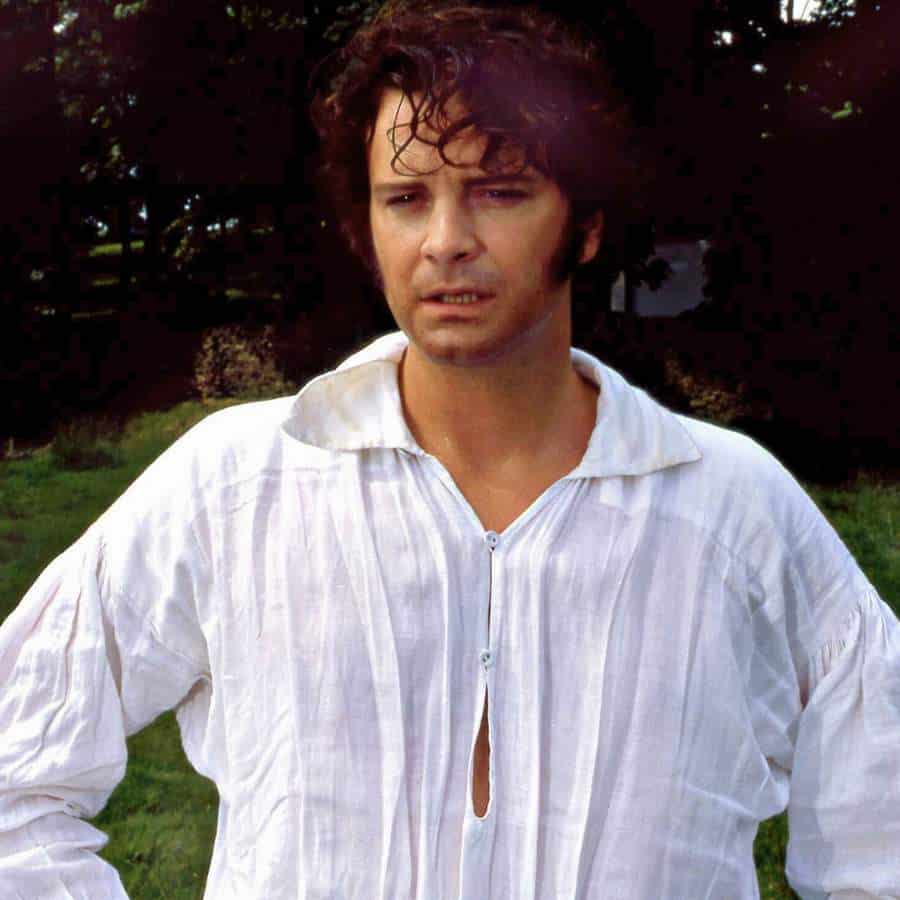
When Colin Firth’s Mr Darcy emerged from a lake in 1995, membership of Jane Austen Societies across the world skyrocketed. His portrayal, socially awkward but full of sex appeal, captured the vulnerability beneath Darcy’s pride, igniting a new generation’s obsession with the character.
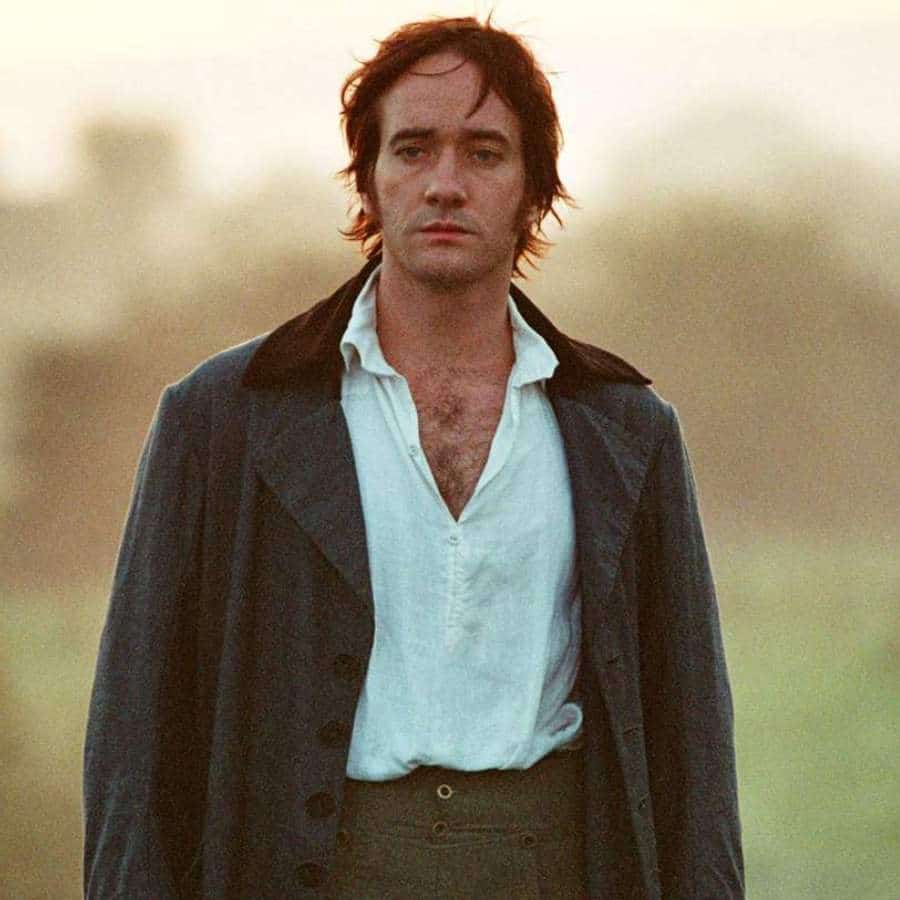
Then, in 2005, Matthew Macfadyen’s Darcy flexed his hand. His intense, emotionally charged performance brought a youthful and somewhat tortured Darcy to the screen, filled with passion and internal conflict.
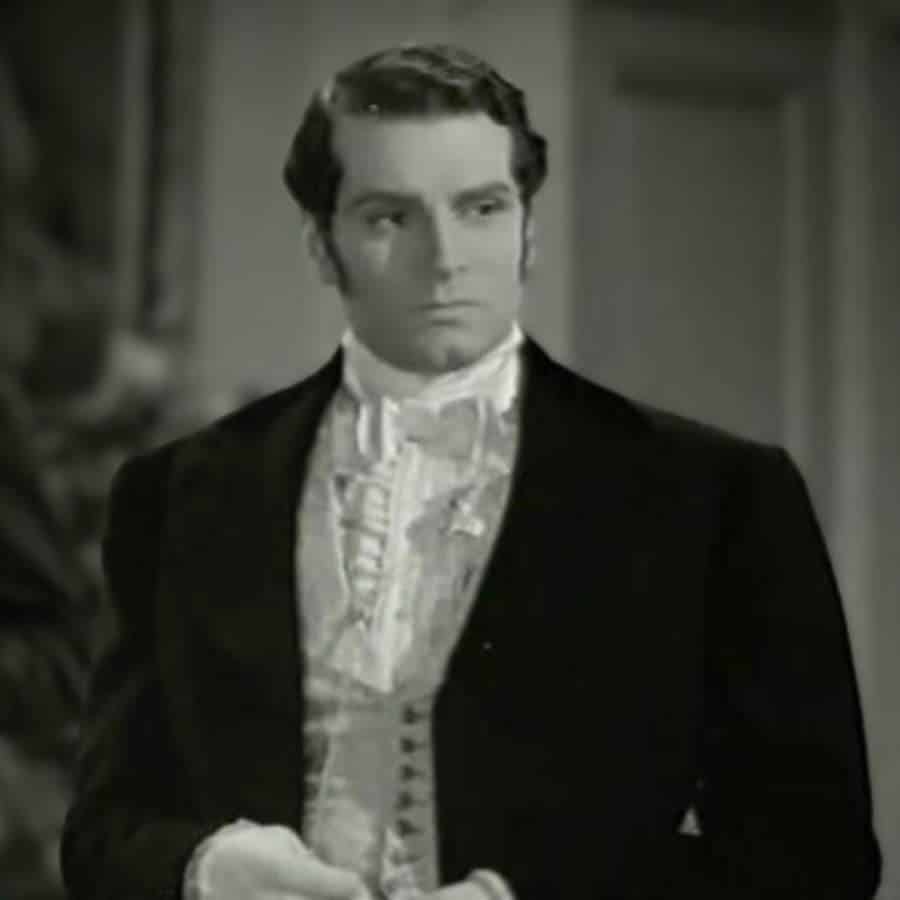
But even before Laurence Olivier’s Darcy picked up a bow and arrow in 1940, readers of Pride and Prejudice were entranced by Fitzwilliam Darcy, who wrote a letter in Austen’s novel published over a hundred years earlier. Olivier’s charismatic presence transformed Darcy from the arrogant figure of Austen’s page into a romantic hero for the silver screen.
In this entertaining presentation, JASA Vice President Harriet Jordan examines the enduring portrayal of Mr Darcy across various screen adaptations of Pride and Prejudice. With a focus on five readily accessible screen versions Harriet traces how this iconic character has been reshaped over time to reflect the social and cultural mores of different eras.
From the 1940s to the present day, Darcy’s character has been reimagined in ways that both adhere to and depart from the original conception found in Jane Austen’s novel. Harriet highlights how each adaptation selectively emphasises aspects of Darcy’s character—his pride, his emotional growth, and his complex relationship with Elizabeth Bennet—and examines how filmmakers balance fidelity to the novel with the needs and expectations of contemporary audiences.
Throughout the presentation, Harriet looks at the nuances of the character’s portrayal in five key adaptations: 1940, 1967, 1980, 1995 and 2005. Each version of Darcy, she argues, is a product of its time, shaped by both the filmmakers’ artistic choices and the cultural context in which the adaptations were produced. Harriet explores how each version draws on Austen’s character but refashions him to suit the conventions and audience expectations of the time, giving us new Darcys for new generations. (Note that this presentation took place well before Netflix announced a new adaptation of Pride and Prejudice for 2026.)

With heartfelt thanks to Harriet Jordan for generously allowing me to share her excellent presentation, which she created for the Jane Austen Society of Australia in 2024. Harriet brings a keen eye, deep Austen knowledge, and a sense of curiosity to her subject, and I’m delighted that my readers can now enjoy her thoughtful exploration of Mr Darcy’s many screen lives. It’s a real treat for all of us who love seeing how Austen’s characters continue to inspire fresh interpretations and spirited debate.
Harriet runs a podcast called Reading Jane Austen, which she started in 2020. At one novel per season, it is now up to Persuasion. In each episode, she and her co-host, Ellen, talk about a few chapters from the novel, analyse one of the characters, talk about an aspect of the historical context and consider the adaptations.
Selected links for relevant websites, books, movies, videos, and more. Some of these links may lead to protected content on this website, learn more about that here.