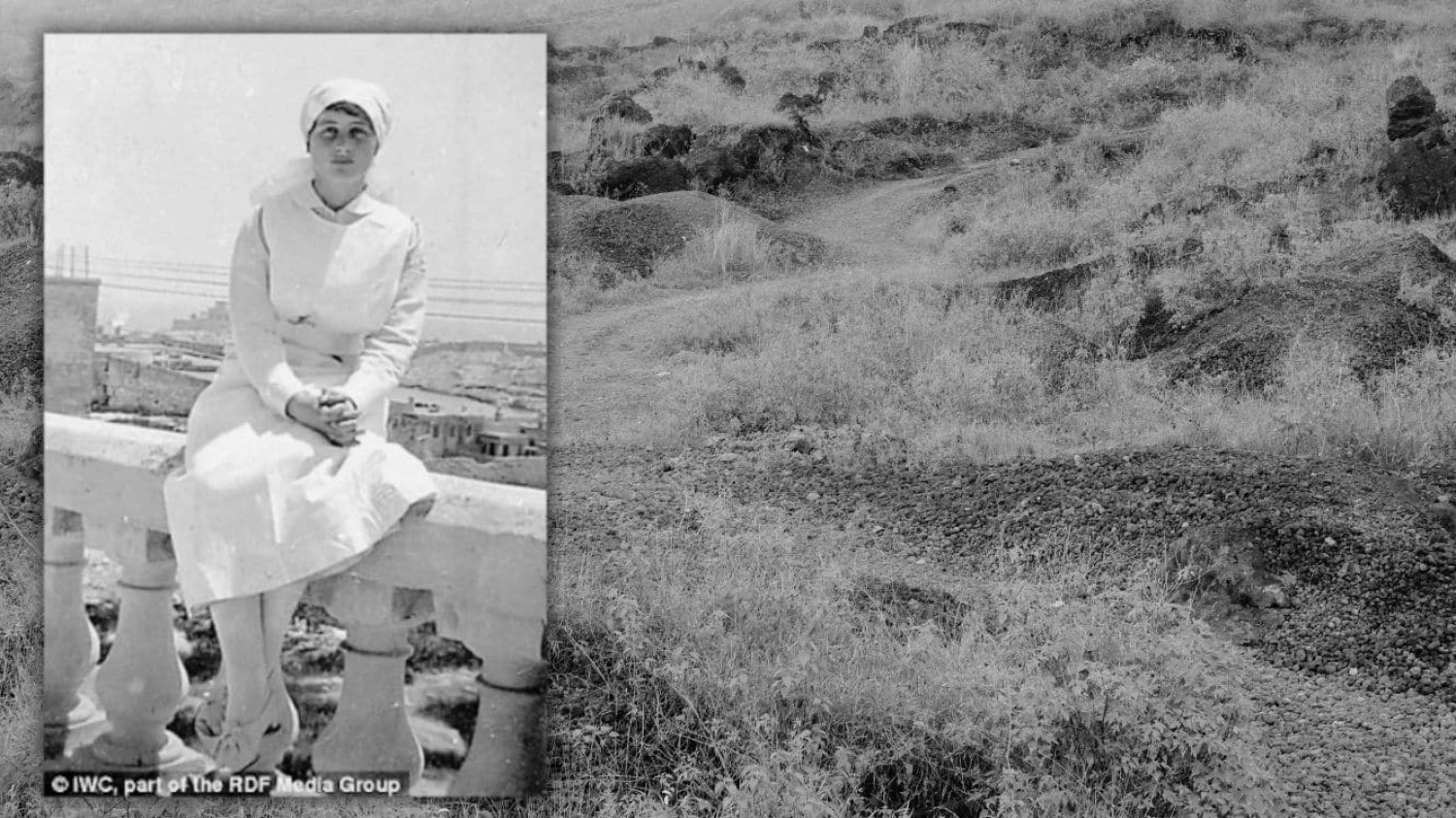
All of us have had the experience of losing someone dear to us, and know the emptiness that remains, the grief that that person will never again speak to us, or enjoy things with us. Vera Brittain (1893–1970) has written a moving poem on that subject.
Perhaps (1916) by Vera Brittain
(To R.A.L.)
Perhaps some day the sun will shine again,
And I shall see that still the skies are blue.
And feel once more I do not live in vain,
Although bereft of You.
Perhaps the golden meadows at my feet
Will make the sunny hours of Spring seem gay.
And I shall find the white May blossoms sweet,
Though You have passed away.
Perhaps the summer woods will shimmer bright,
And crimson roses once again be fair,
And autumn harvest fields a rich delight,
Although You are not there.
Perhaps some day I shall not shrink in pain
To see the passing of the dying year,
And listen to Christmas songs again,
Although You cannot hear.
But, though kind Time may many joys renew,
There is one greatest joy I shall not know
Again, because my heart for loss of You
Was broken, long ago.
Vera grew up in a well-to-do family, was one of the first female students at Somerville College in Oxford but delayed her degree so she could work as a nurse in WWI. Her experience nursing German prisoners of war greatly influenced her path towards pacifism. Her fiancé and her brother were killed in the war. In 1933 she published her memoir Testament of Youth. When she returned to Oxford, she became friends with novelist Winifred Holtby, and that influenced her book Testament of Friendship. She did marry and have children, wrote novels and was a widely published journalist. Her two volumes of poetry (Verses of a VAD in 1918, and Poems of the War and After in 1934) were centred on her nursing work and the trauma of losing so many people close to her.
Perhaps 1916 was written in 1916, at a time when casualty lists were getting longer as the war went on and on. Her fiancé, Roland Leighton, had died a few months before. In the poem, she contrasts the beauty of England in spring and summer, with the May blossom and the roses, with the desolate emptiness she feels inside as a result of his death. The poem is dedicated to him. Friends told her that time would heal her grief, but Vera felt that, if time did heal, she should not have kept faith with the man she loved.
You can listen to it, read by Jonathan Jones here:
or (read by a woman, which is probably more appropriate, on:
The poem has also been set to music. It’s a haunting, touching poem, dealing with something that, sadly, all of use experience.
Do you think patriotic poetry can stand the test of time? Leave a comment.
Selected links for relevant websites, books, movies, videos, and more. Some of these links lead to protected content on this website, learn more about that here.