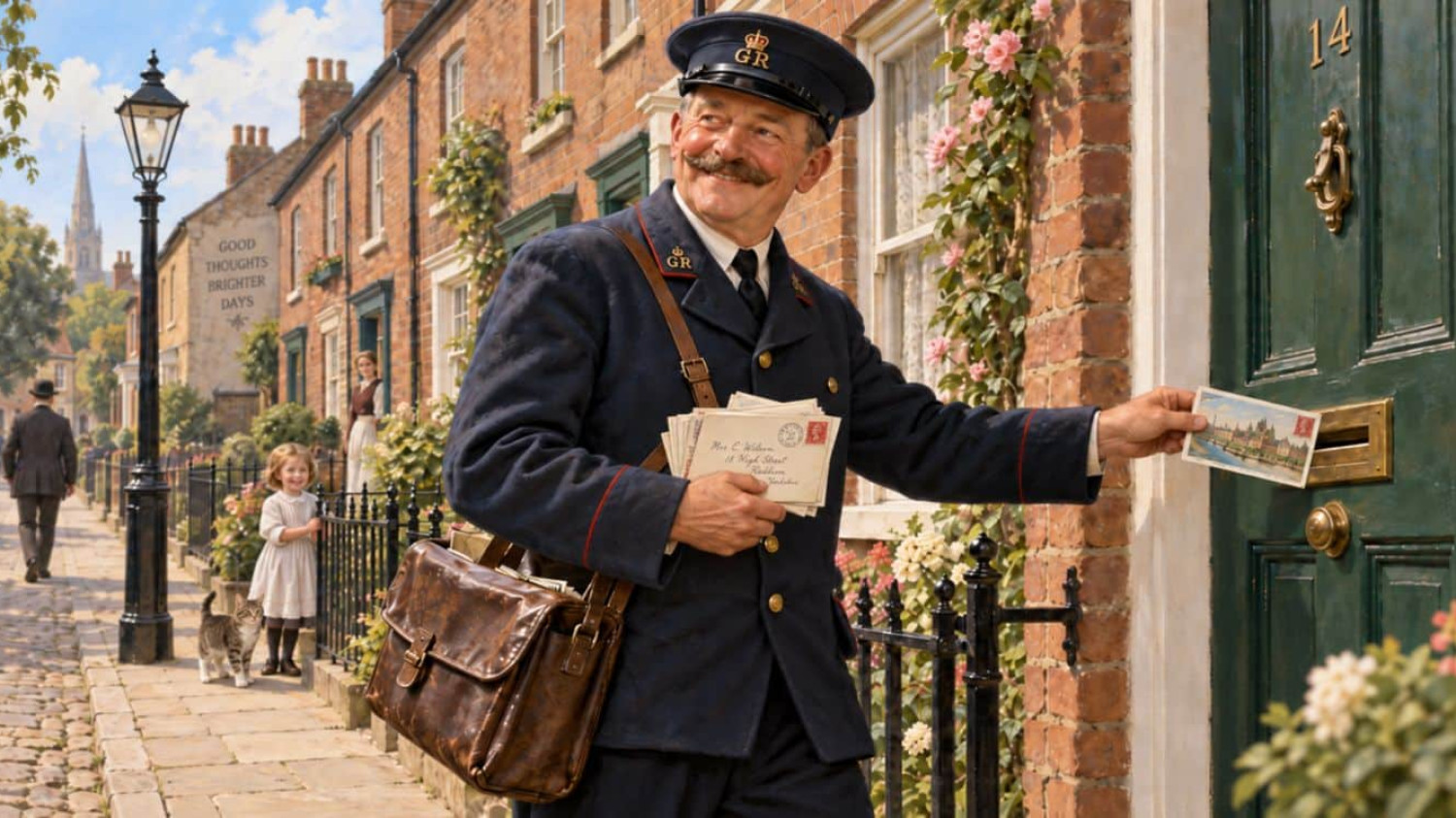
Postcards are a fascinating mix of art and words – a picture on one side, a brief note on the other. But what was once a standard activity on a holiday – writing and sending postcards to friends and family – is now dying out. One rarely sees them in tourist resorts any more and the hassle of then having to find a post office and buy a stamp, when pictures can be sent by email or social media, all now seems too hard.
In my view, this is a pity, as postcards have had a most interesting and important history. In March 1942 when Britain was preparing to fight the Nazis on the beaches, naval intelligence needed information about the areas they could be landing troops in. They asked people in Britain to send in their postcards, so that street signs, beaches and buildings in the vital areas could all be noted. They expected a few thousand to arrive, but instead ten million postcards were sent in. They played an important role in D-Day planning.
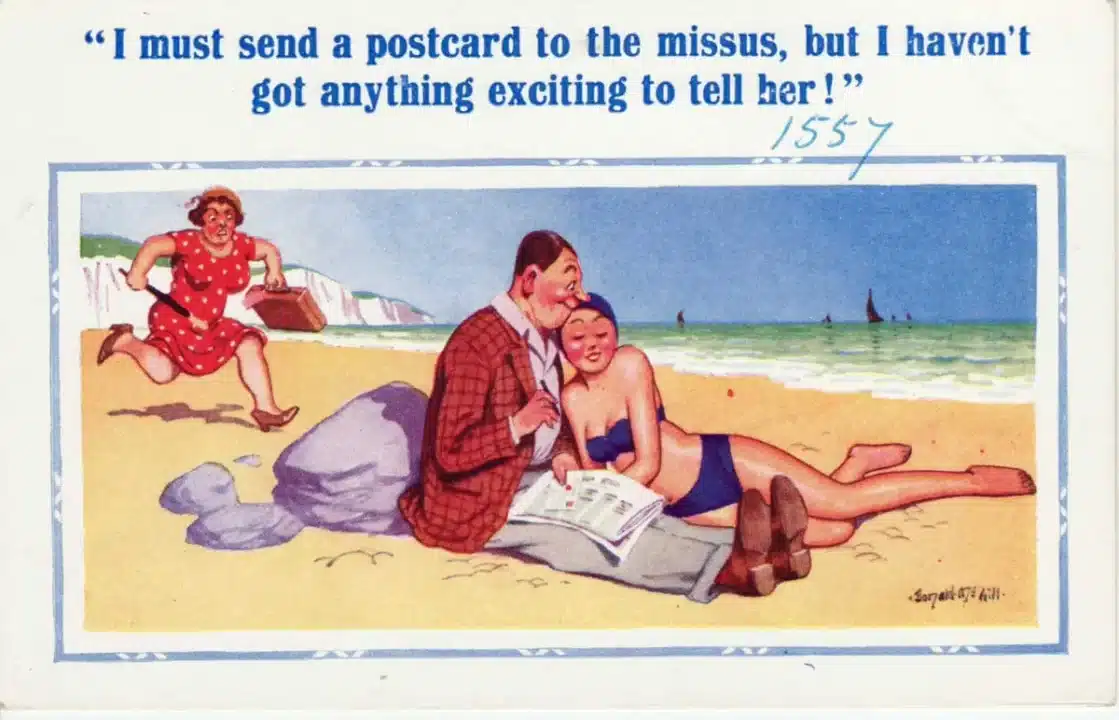
In 1777, a French engraver produced a set of cards with greetings on them, but people were wary of servants reading their messages, and the idea failed to catch on. The world’s first postcard was sent in 1840 when Englishman Theodore Hook sent one to himself. The card had a hand painted picture which featured postal workers and was intended as a joke (his postcard sold at auction in 2002 for £31,750). The idea caught on quickly. The Austrian postal service began selling ‘Correspondenz-Karten’ in 1869, while in Britain they rapidly became the way to communicate, especially for holidaymakers. Between 1895 and 1915 it is estimated that between 200 to 300 billion postcards were in circulation. A recent article in The Economist called them ‘the first worldwide social network’.
The Postal Service loved them. They were lighter to post than an envelope with an enclosure. The public loved them because one never had to write too much (senders of postcards were rather like the texters of today). They were cheap and cheerful (saucy postcards sold in huge numbers), they gave a wonderful sense of place, and they reminded friends that you were thinking of them – a ‘wish you were here’ message was so easy to send.
This newsletter is reaching you on World Postcard Day, 1st October. Maybe we should all celebrate by sending a postcard? Today, postcards are of value to historians and those studying communication, genealogy, and popular art. They are becoming treasured items in libraries and museums. Or, simply leave a comment.
Selected links for relevant websites, books, movies, videos, and more. Some of these links lead to protected content on this website, learn more about that here.