

Wilkie Collins

English Literary Trail
The Historic Houses Association in the UK has recently launched a new ‘Literary Trail‘. If you are lucky you can do it in person, visiting wonderful homes in Britain that have interesting literary connections, such as Madresfield, the home that inspired Waugh’s Brideshead, or Renishaw, home of the eccentric Sitwell family. Some are the homes of living authors, so you might even get a book signed, or be shown round by its author / owner; others belonged to authors long gone, but excellent guides will show you the property. You can find details at Historic Houses Association Literary Trail. Read more

Recommended Reading – Jane Austen
Susannah’s list of Top Books about Jane Austen
Susannah Fullerton is President of the Jane Austen Society of Australia and one of the foremost experts on her work. She provides the list below as a resource for those wishing to learn more about this remarkable writer.
On 18th July, 1817, Jane Austen died in the arms of her sister Cassandra. “I have lost such a treasure”, Cassandra wrote of her loss, “such a sister, such a friend as never can have been surpassed.” Cassandra had lost a sister and friend, but the world had lost its greatest novelist – far, far too early! Read more

Lest We Forget

Portrait of Rudyard Kipling by John Collier
“Lest we forget” are words strongly associated with Anzac Day. They come from the poem Recessional by Rudyard Kipling. The poem was written in 1897 for the occasion of Queen Victoria‘s Diamond Jubilee.
Kipling refused to accept any payment for the poem, as he was so keen to get its message across.
Read more

Recommended Reading – Elizabeth Jenkins
Reading list to accompany presentation by Judy Stove at JASA meeting held on 22 April 2017.
Margaret Elizabeth Jenkins (31 October 1905 – 5 September 2010) was an English novelist and biographer of Jane Austen, Henry Fielding, Lady Caroline Lamb, Joseph Lister and Elizabeth I.
Most of Elizabeth Jenkins’ books are out of print, however these titles can be obtained by ordering online. Read more

Mothers in Literature – Recommended Reading
Suggested reading list for
MOTHERS IN LITERATURE — A reflection on fictional mothers
I love to recommend books that I’ve read and enjoyed, so here’s my list of great reading about mothers.
Some authors have written very memorably of their own mothers. J.M. Barrie published Margaret Ogilvy in 1896. His mother lost her eldest and favourite son, and poor James spent his life trying to make up for the lost boy who was his brother. Read more
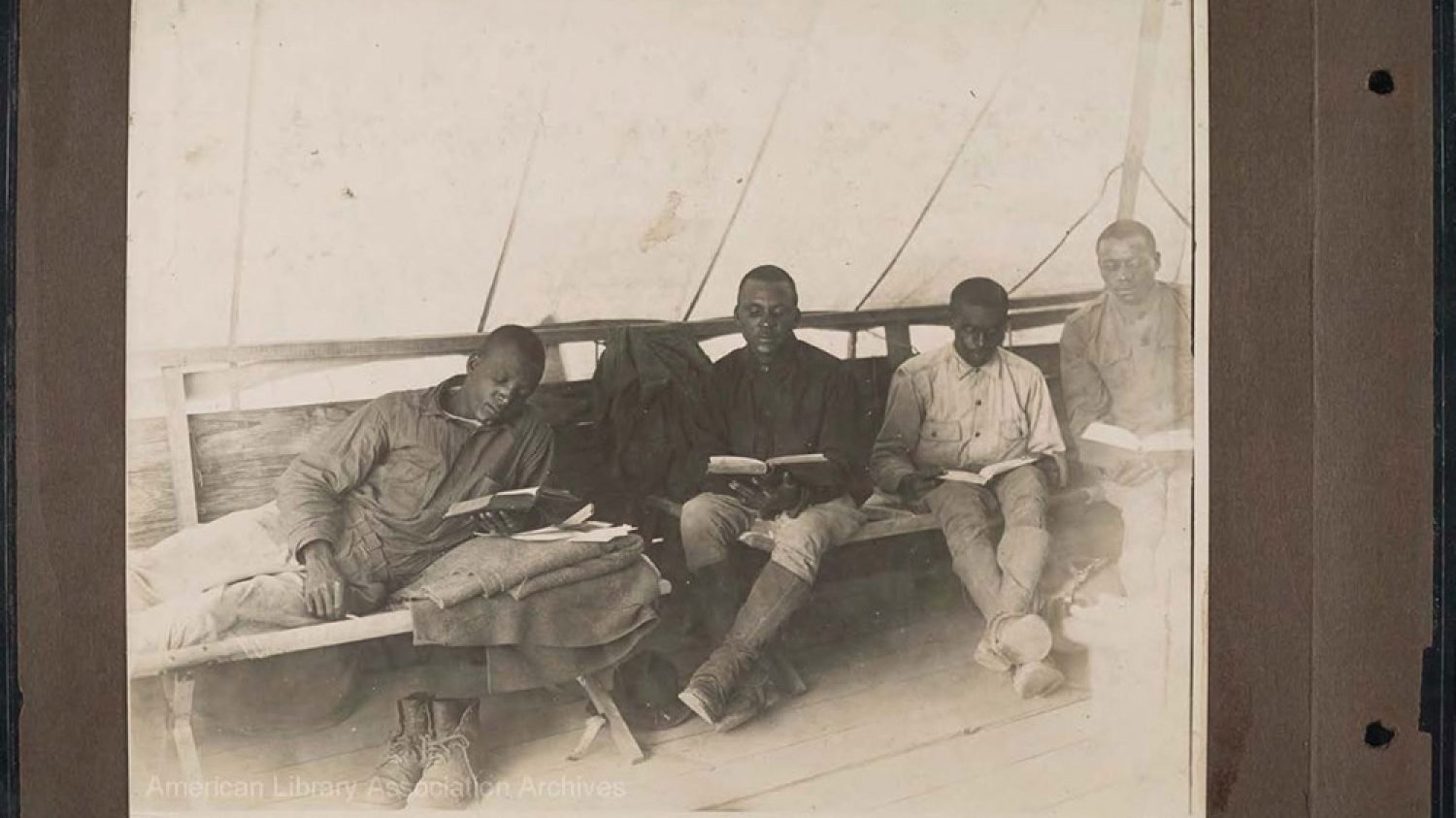
WWI and Books
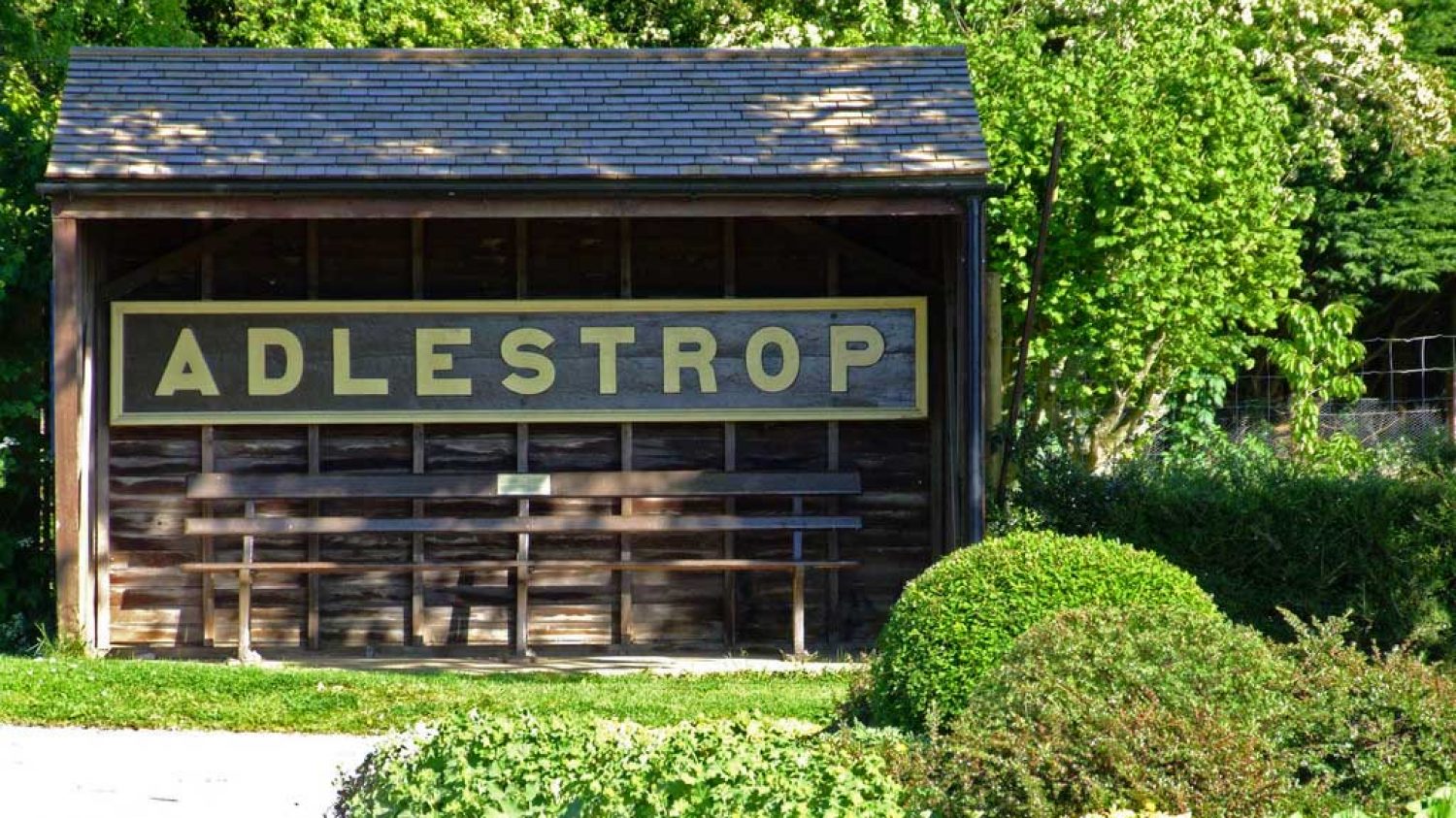
Edward Thomas & Adlestrop
Adlestrop by Edward Thomas
Yes. I remember Adlestrop—
The name, because one afternoon
Of heat the express-train drew up there
Unwontedly. It was late June.

Reading in Bed
From the feedback I have received from my previous post, it sounds as if there have been librocubicularists popping up all over the place! It is a word I’ve been trying to introduce into the conversation whenever possible, as I think it is so wonderful, and I have also been trying to put it into practice as much as possible. In my view, reading in bed is one of life’s greatest pleasures.

Queen Victoria
The BBC is making a new 4-part adaptation of E.M. Forster’s Howard’s End. It stars Hayley Atwell and Matthew Macfadyen and is being filmed at the moment. It will be hard to better the 1992 film version with Emma Thompson, Anthony Hopkins etc, but a longer version will hopefully do full justice to the novel.

Vita Sackville-West and Virginia Woolf
I recently read, and loved, A House Full of Daughters by Juliet Nicolson, a book which begins with her great-great grandmother, the Spanish dancer Pepita, and ends with Juliet’s own granddaughters. It covers seven generations. I knew a lot about some of them from various biographies, but found it fascinating to follow the family through the female line, seeing how the troubles of one woman impacted on the next generation. Read more

Are you a Librocubicularist?
- Abibliophobiac – a person who fears being without a book to read
- Bibliobibuli – a person who reads too much
- Biblioclast – a person who rips pages from books
- Bibliographe – a person who writes about books Read more

How long should a work of fiction be?

Patrick Kavanagh & Lines Written on a Seat on the Grand Canal, Dublin
I’ve been preparing for my literary tour of Ireland in May and have enjoyed learning more about Irish poet Patrick Kavanagh (1904 – 1967). Kavanagh was born a countryman, in Inniskeen, County Monaghan, but he left the farm and moved to Dublin. In his later years, when he had a serious alcohol problem, he liked to walk by the Grand Canal, or just sit watching the water.