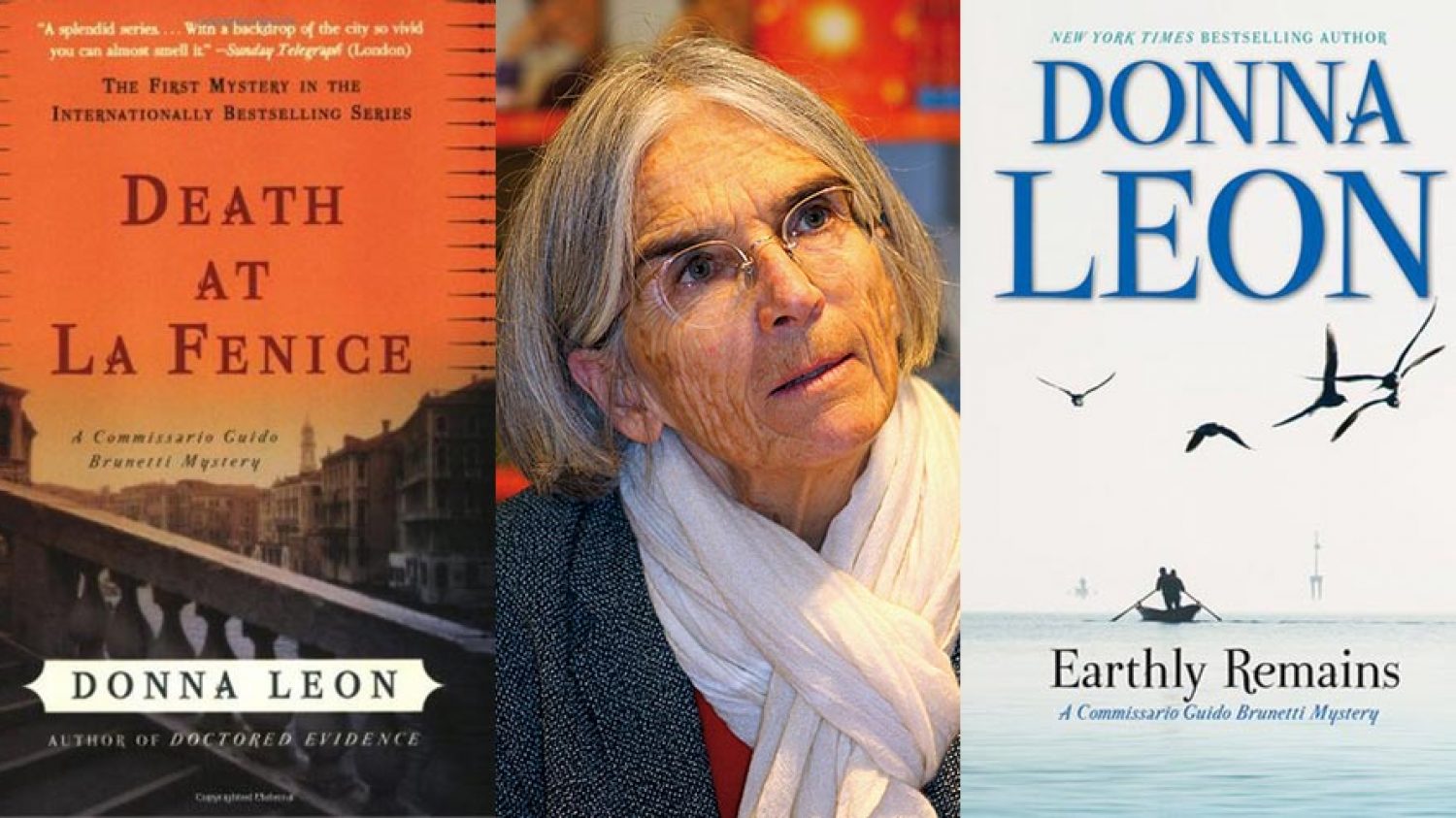
I have just finished reading the last of Donna Leon’s series of crime novels set in Venice. For years now there has always been another book featuring the delightful Guido Brunetti and his family to look forward to, but now I’ve read the most recent and will have to wait for Donna Leon to write more (the next one, The Temptation of Forgiveness is due out next year). Read more

Kristin Lavransdatter
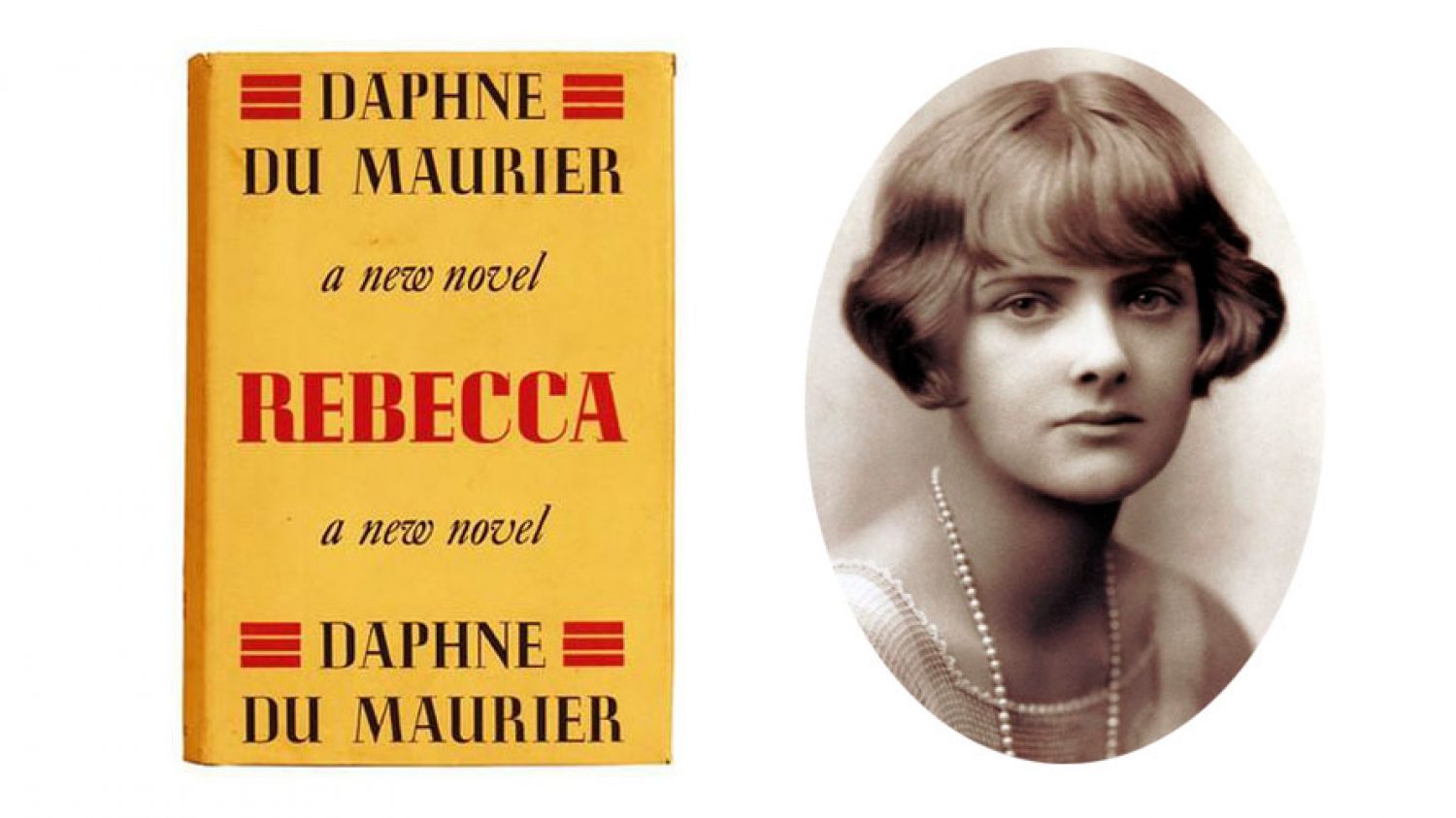
Daphne du Maurier and ‘Rebecca’
Daphne du Maurier’s Rebecca is a novel with two heroines, though one is nameless and the other is only a memory. It’s a novel which has a hero who is a murderer. It has a haunting opening sentence which has become justly famous, and since its publication in 1938 Rebecca has enthralled readers and remained Daphne du Maurier’s most popular book.
Read more
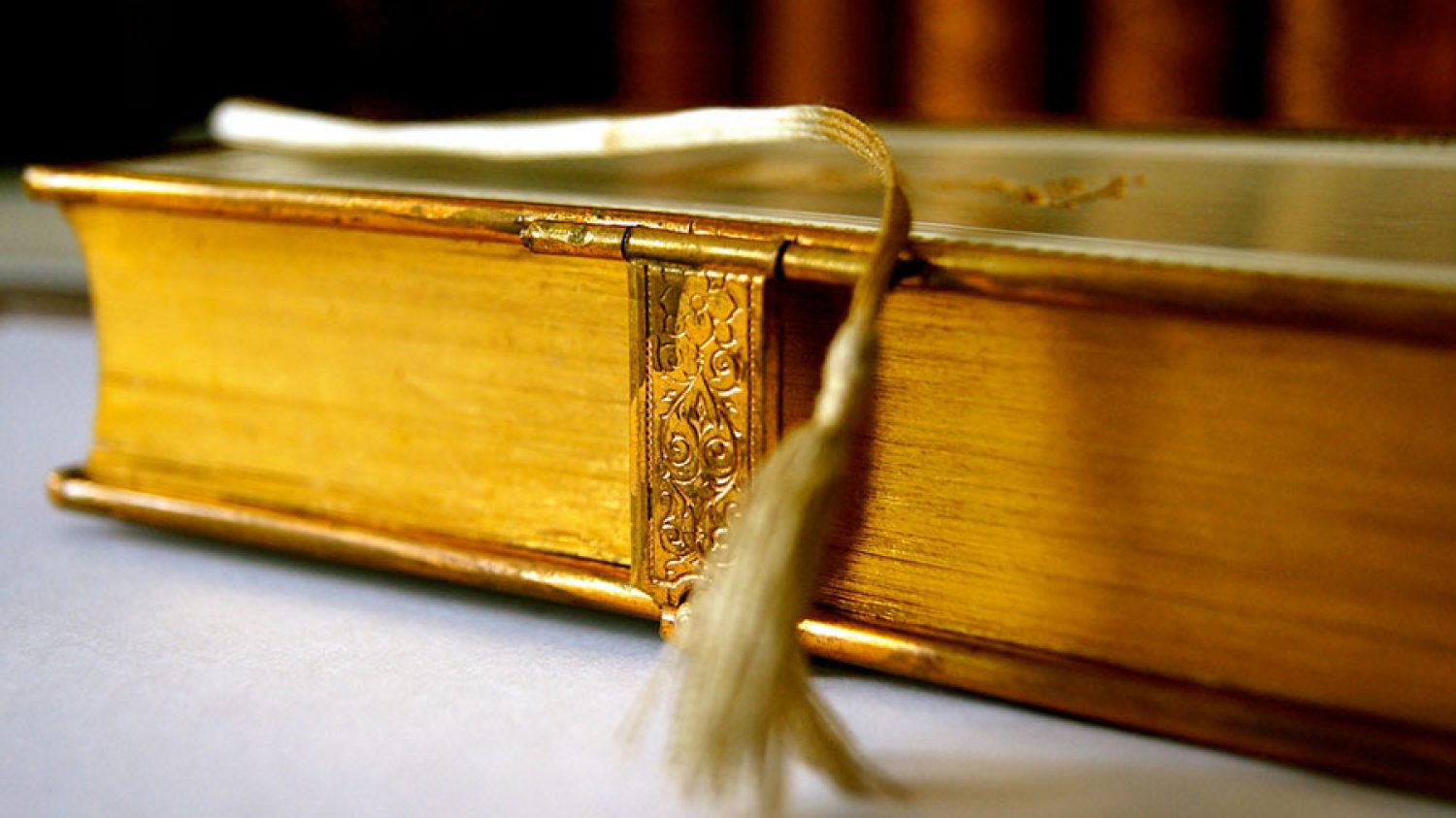
Bookmarks
For as long as there have been books, readers have felt a need to mark their place so that they know exactly where to start when they next pick it up. Bookmarks are therefore almost as old as books themselves. It is thought that bookmarks were used in 1stC AD codices. The oldest surviving bookmark dates from the 6thC AD. Made of leather and vellum, it was attached to a Coptic codex. Early bookmarks, it seems, were firmly attached to a volume. Detached bookmarks have not survived from early times, but no doubt readers used scraps of paper, bits of fabric, or anything that came to hand, much as many readers do today. Read more
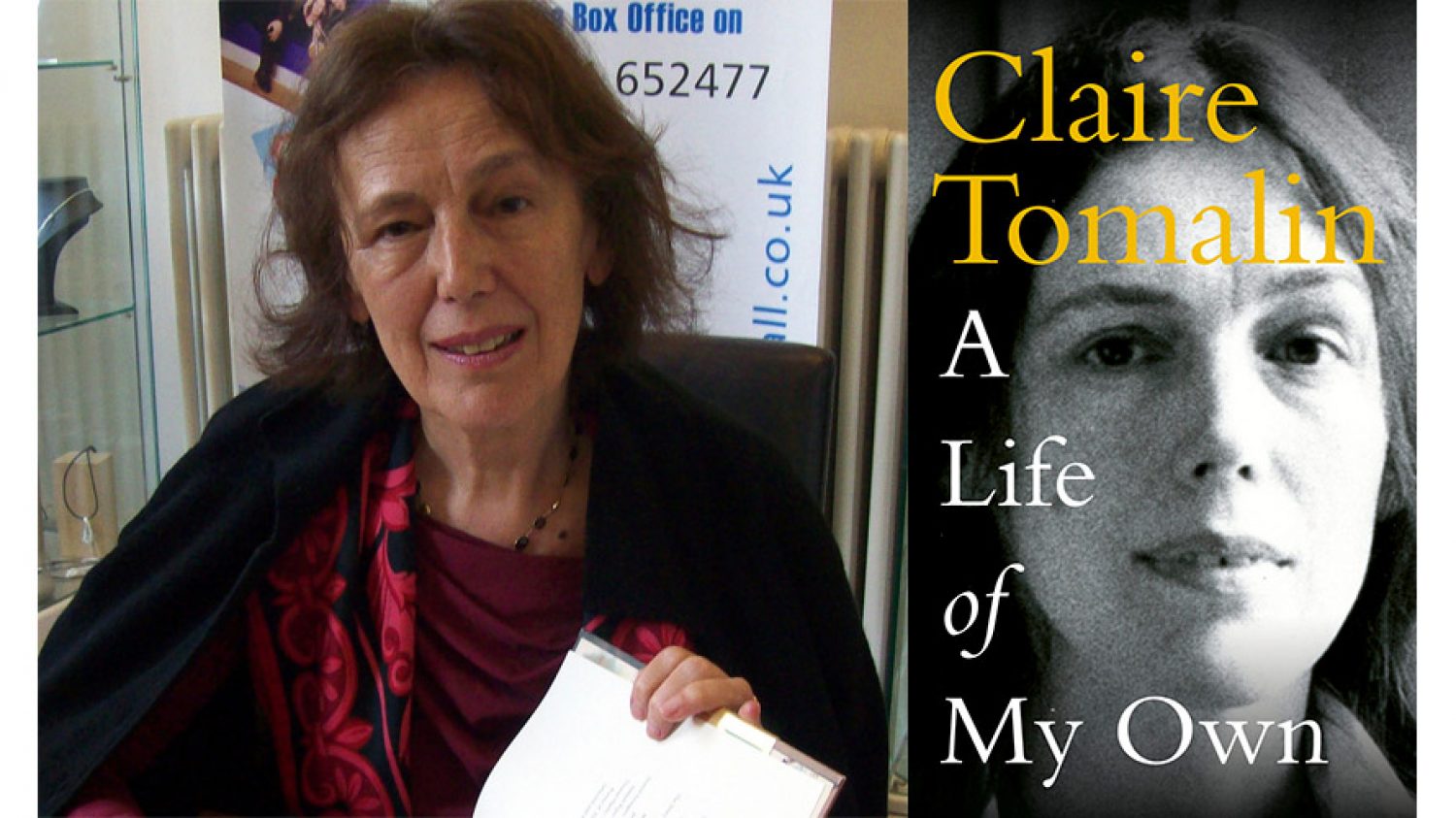
Claire Tomalin and Biographies
In the lectures I give, I love to provide background to a novel or poem by telling my audience something about the life of its author. I find it fascinating to know about the man or woman behind the work, to discover how they came to write, what their love lives were like, what interesting quirks of personality they displayed. I read many literary biographies as part of my research for lectures, but also for pleasure. And in my view the best biographer alive today is Claire Tomalin, so I was delighted to see that she has just written a memoir which is a biography of herself, called A Life of My Own. Read more
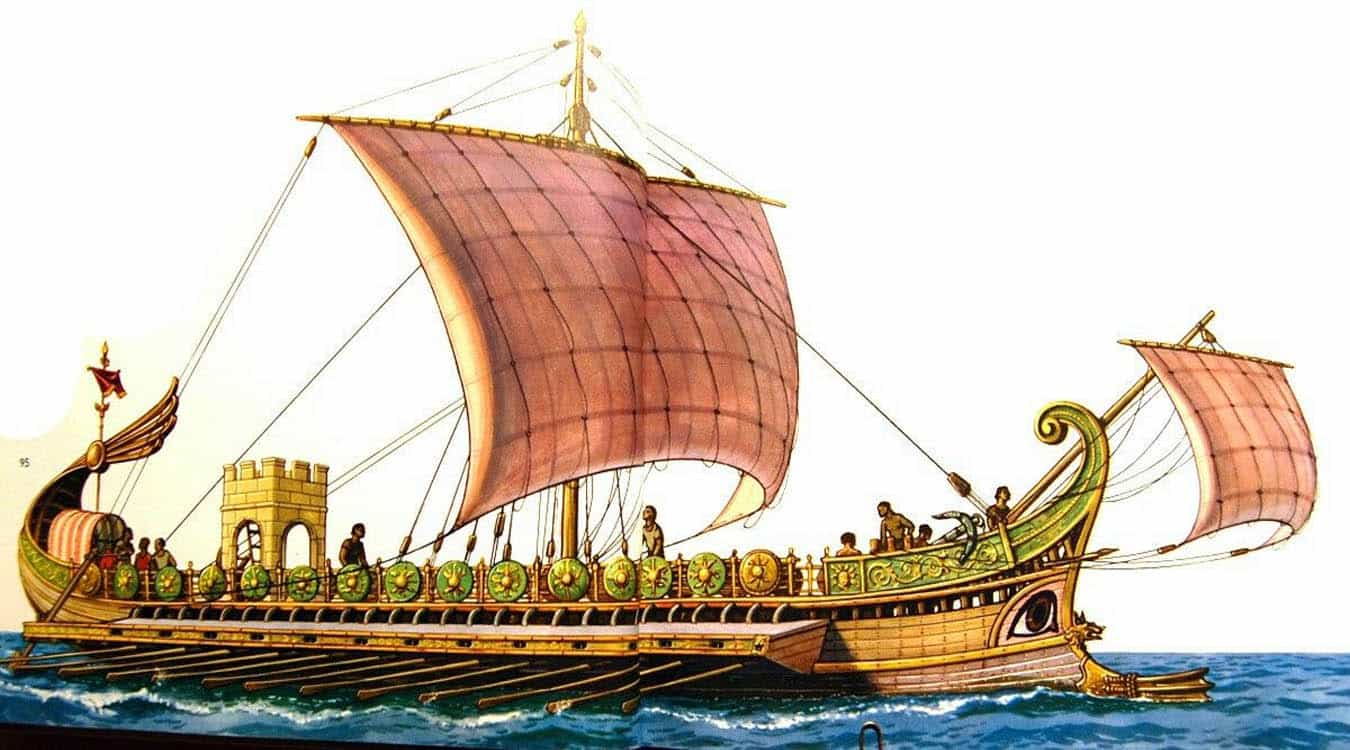
John Masefield & Cargoes
Cargoes by John Masefield
Quinquireme of Nineveh from distant Ophir,
Rowing home to haven in sunny Palestine,
With a cargo of ivory,
And apes and peacocks,
Sandalwood, cedarwood, and sweet white wine. Read more

A Reader’s Guide
Have you read Eleanor Oliphant is Completely Fine by Gail Honeyman? It is her first novel and is quirky, different and both comic and tragic. I found it absorbing and touching and can recommend it. I hope the author writes more books. One of the things I liked about Eleanor is that she turns to the classics for consolation, inspiration and entertainment. Do you? Read more
The 18th Century – When the English Novel Began
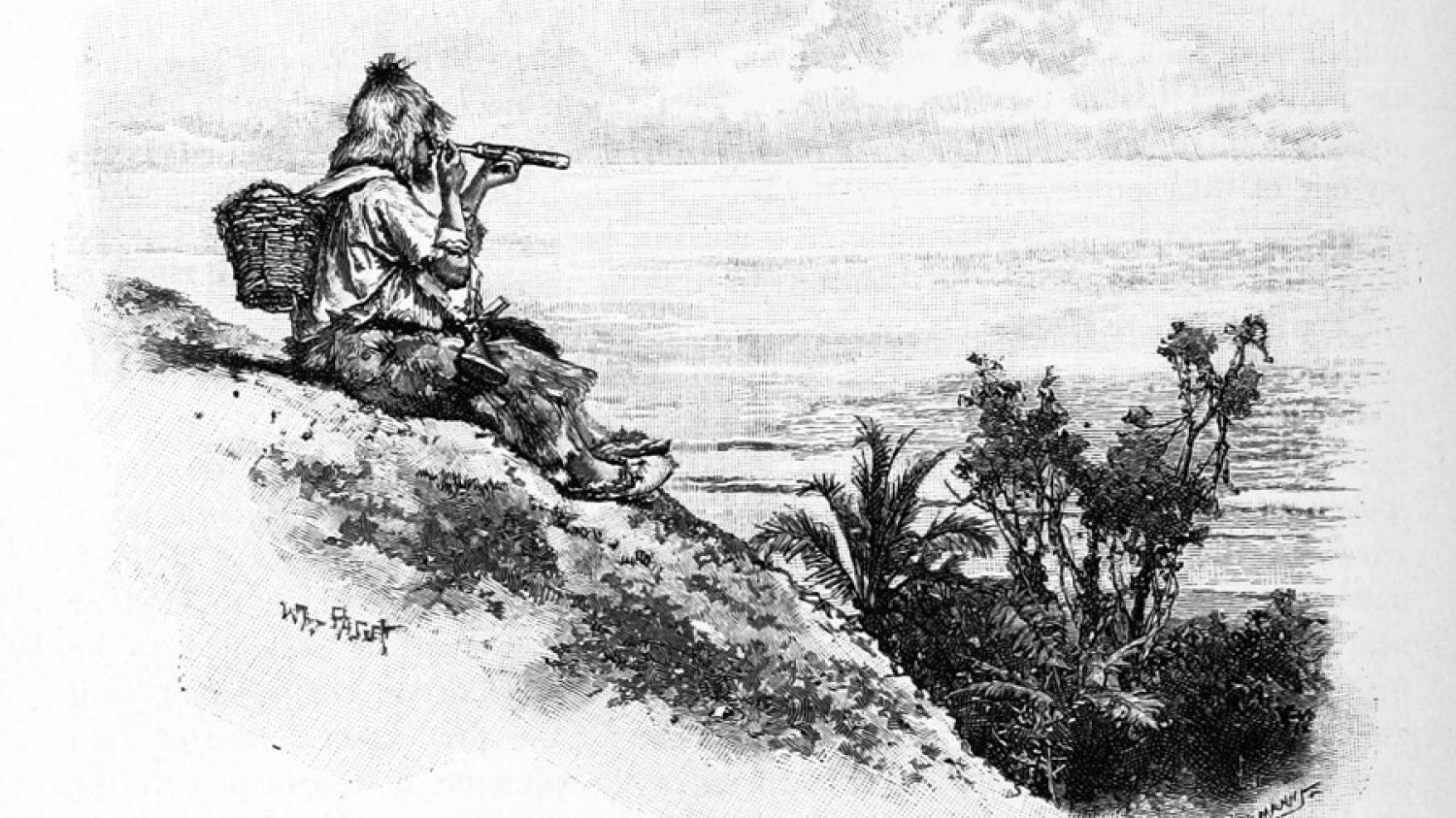
I am fascinated by the 18thC. It was bawdy, raucous and rough – the age of Hogarth and Fielding. Yet it was also the Age of Enlightenment, when ‘Reason’ and ‘Civilisation’ became all important. And it was the century that saw the start of the English novel. (The image above is from Robinson Crusoe, by Daniel Defoe which is often credited as marking the beginning of realistic fiction as a literary genre.) Read more
Statues of Literary Figures
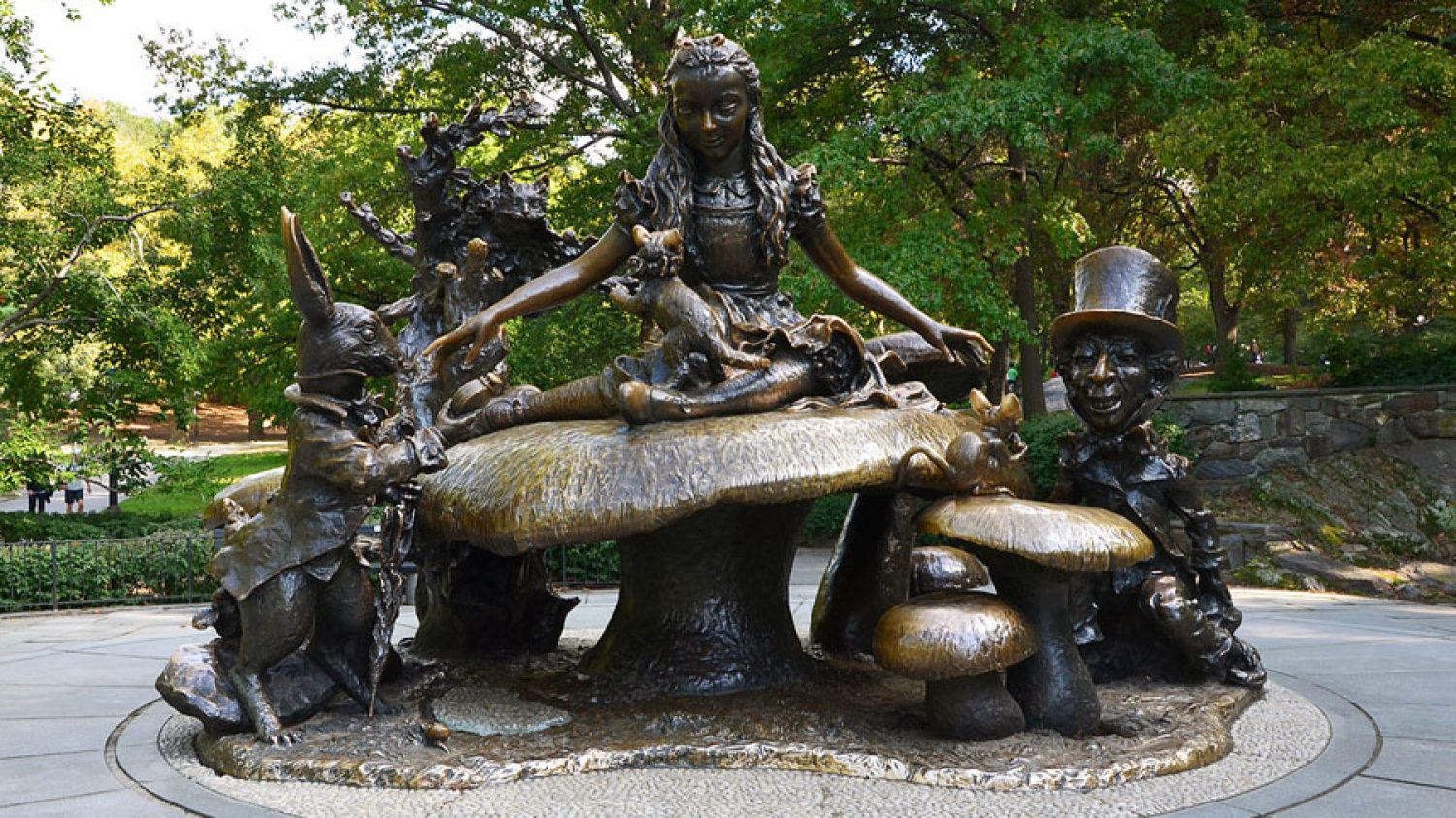
A rather topical issue at the moment is the pulling down of statues of controversial historical figures. When I travel around the world, I love seeing statues of famous writers, seeing which ones have been honoured by a statue. If you stroll in New York’s Central Park you’ll find Shakespeare, Hans Christian Andersen, Robert Burns, Sir Walter Scott, as well as a statue of Alice in Wonderland (pictured above) and a fountain dedicated to Frances Hodgson Burnett. Read more
William Blake & London
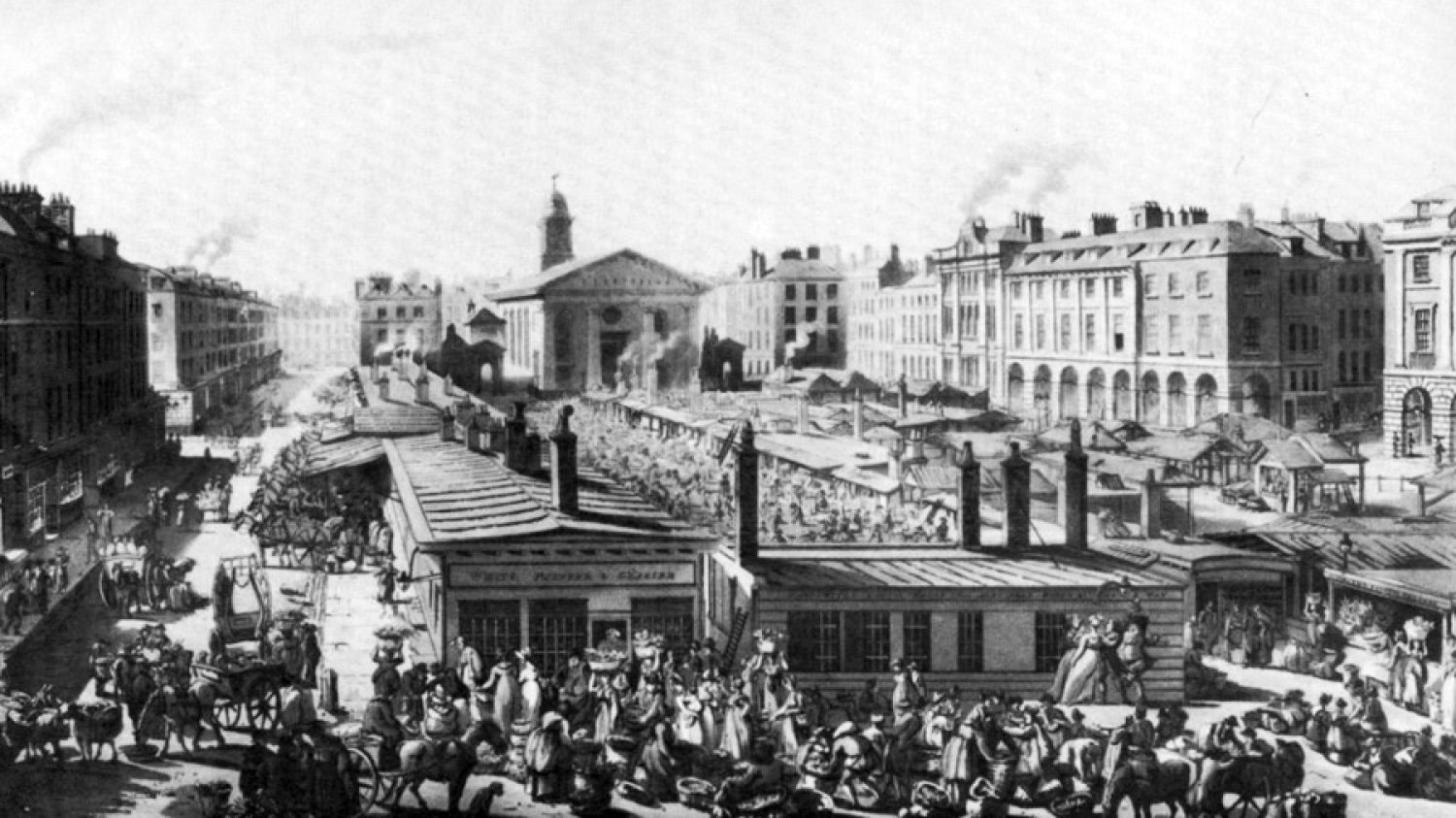
London by William Blake

William Blake by Thomas Phillips, oil on canvas, 1807.
I wander thro’ each charter’d street,
Near where the charter’d Thames does flow.
And mark in every face I meet
Marks of weakness, marks of woe.
In every cry of every Man,
In every Infants cry of fear,
In every voice: in every ban,
The mind-forg’d manacles I hear
How the Chimney-sweepers cry
Every blackning Church appalls,
And the hapless Soldiers sigh
Runs in blood down Palace walls Read more
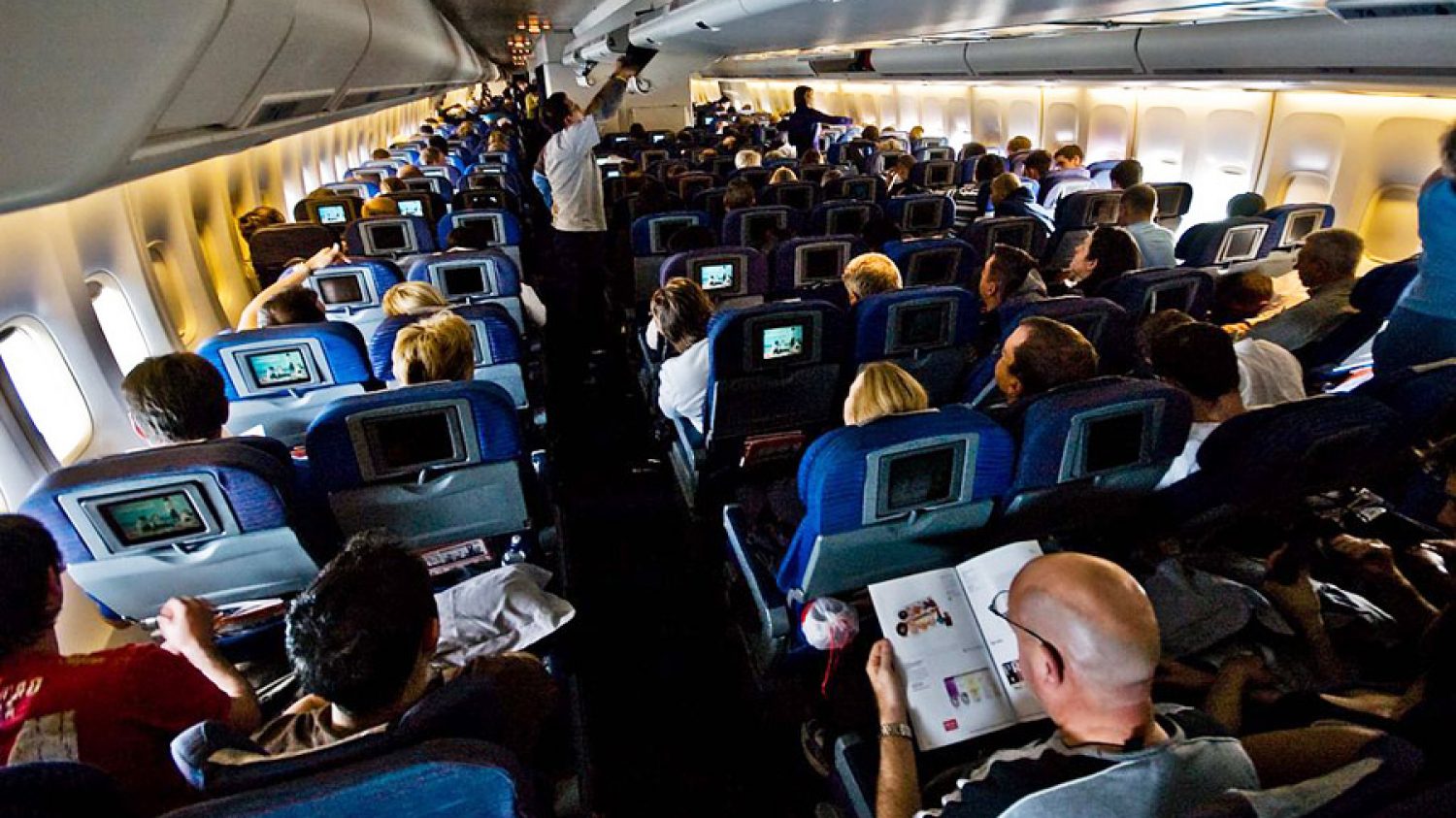
Reading for a Long Flight
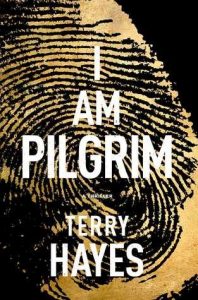
I Am Pilgrim
Do you enjoy a good thriller? If so, you might like to try I Am Pilgrim by Terry Hayes. It has all the right ingredients – murder, espionage, several exotic locations, plenty of twists and turns, a terrifying terrorist plot, and a satisfying ending. Its 900 pages kept me gripped on the horrifically long flight from Bordeaux to London to Singapore to Sydney. Not a book for the faint-hearted, as there were some rather grim torture scenes, and it did rather over-do the clichés, but certainly an exciting read.
Reading for a long plane flight always requires some careful thought, in my view. Read more
About Dutch Literature

Why the Dutch are Different
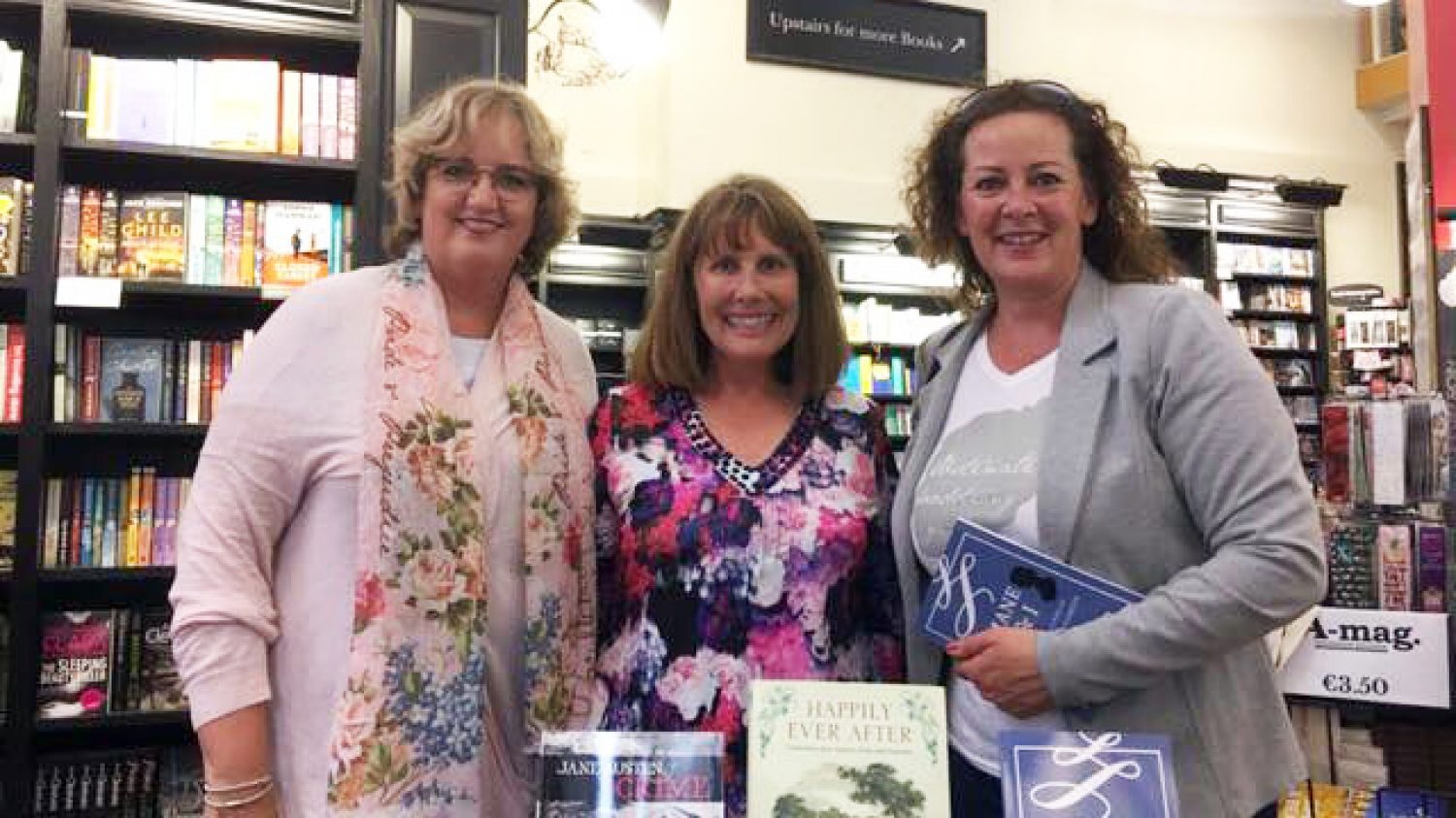
I have just recently enjoyed some days in Amsterdam – such a beautiful, vibrant city. I had the pleasure of giving a talk to a group of Jane Austen readers at the English-language bookshop there, and now welcome some Dutch friends to my newsletter list. While in the Netherlands, I read and very much enjoyed Why the Dutch are Different by Ben Coates, an Englishman who went to Rotterdam, fell in love with a Dutch girl, and stayed. His book discusses various aspects of Dutch history and society, from football to WWII, but made almost no reference to literature, and it left me speculating about Dutch writers. Holland has produced far more than its fair share of internationally renowned artists, but its literary star is not nearly as bright. Why is it that some countries suddenly flourish in one particular area of the arts, but fail to shine in another? Read more
Film Adaptations of the Classics
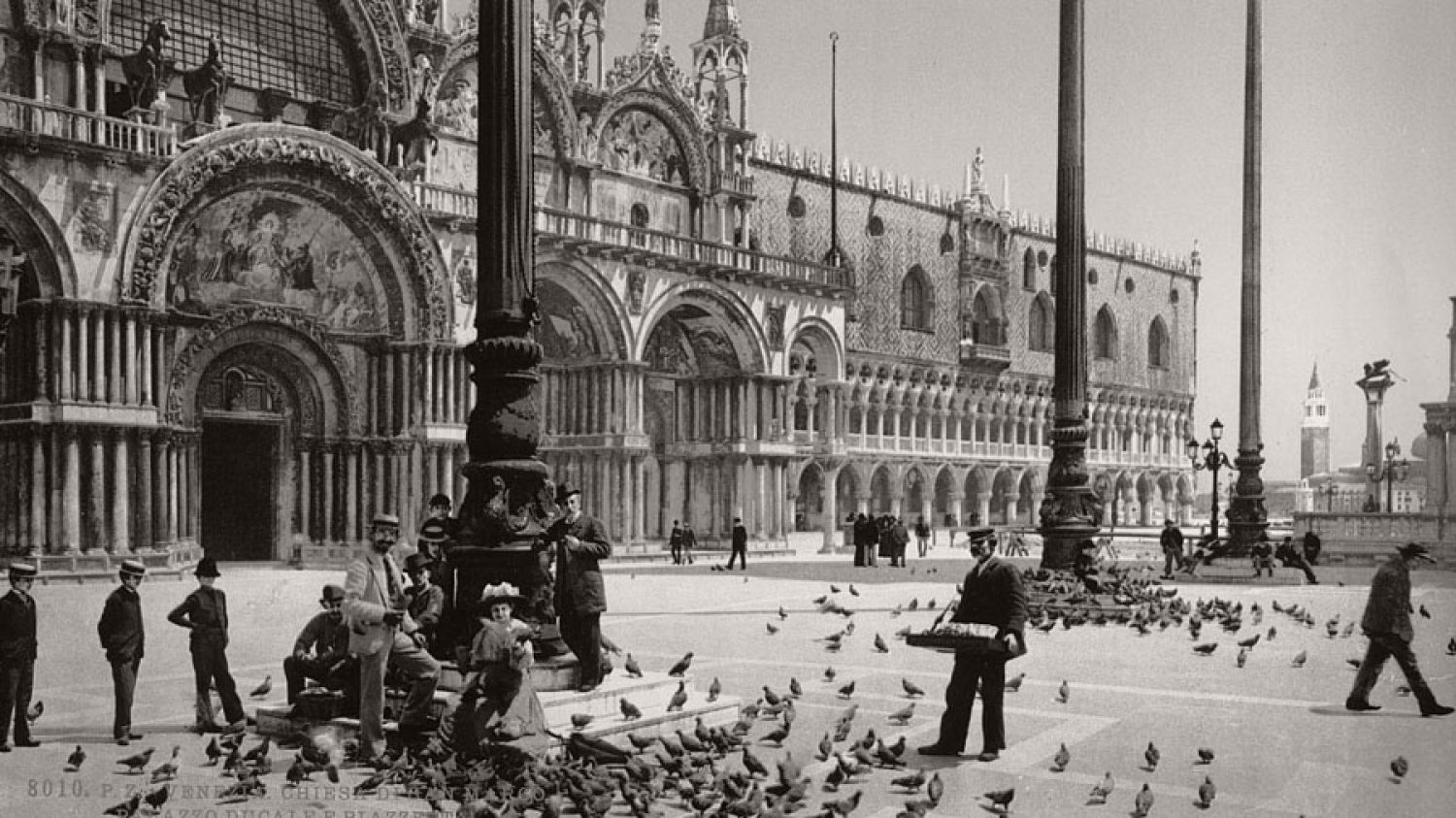
More filmed versions of classics we can look forward to include The Aspern Papers, a Henry James novel set in Venice, which is being made into a movie starring Jonathan Rhys Myers, Vanessa Redgrave and Joely Richardson. It is many many years since I read the book, so I’ll add it to my re-reading list. And the producers of the hugely popular Poldark series have bravely decided to make a new TV adaptation of Pride and Prejudice, promising a less ‘bonnety’ version that does justice to Jane Austen’s “dark intelligence”. It will be ready to screen 25 years after the iconic Colin Firth / Jennifer Ehle adaptation (oh dear, that does make me feel old!). Read more
Books for a Special Grandchild
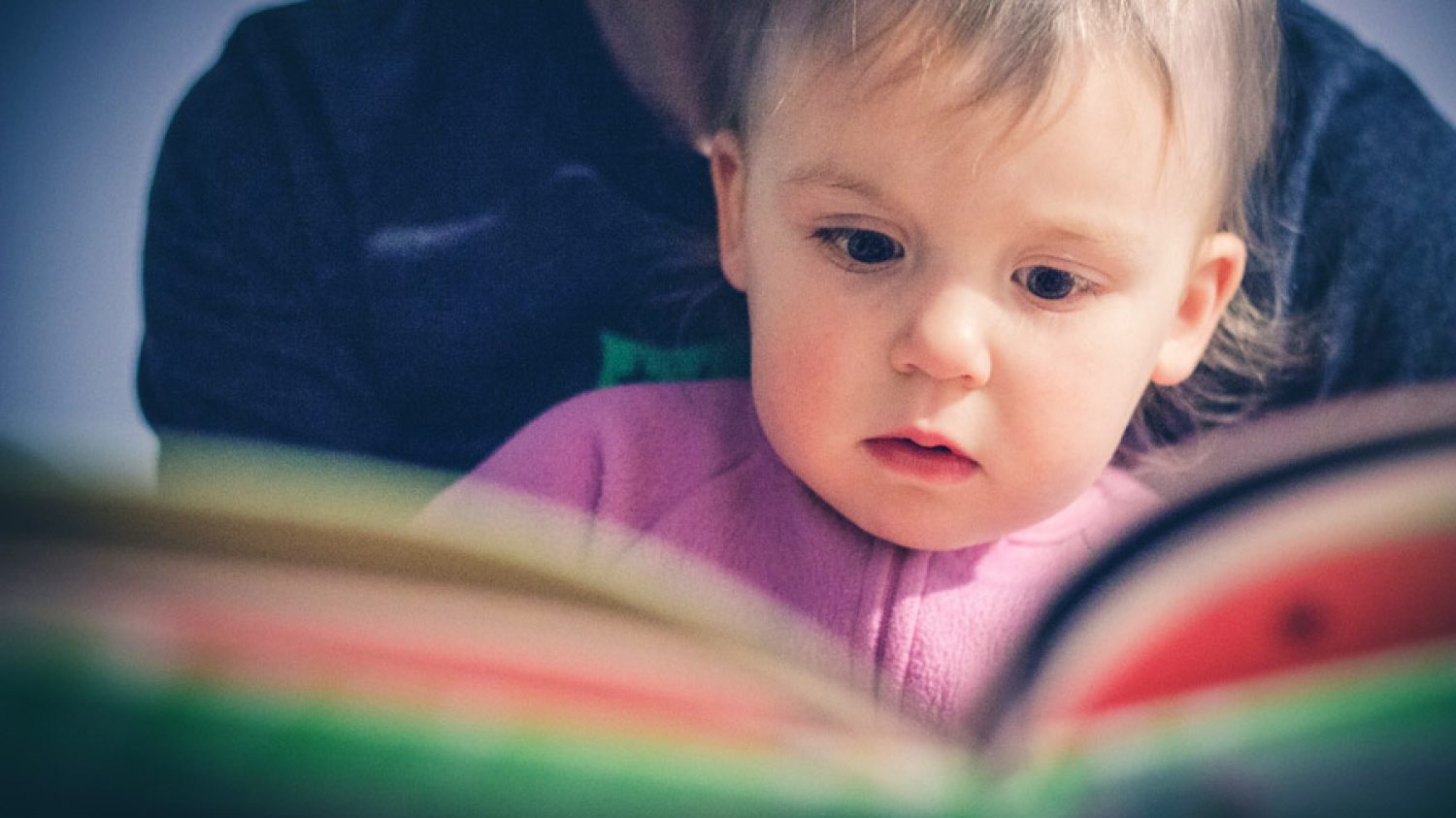
I am so terribly excited. In early December this year I am to become a grandma!!!! My daughter Elinor and her husband Craig are expecting their first baby. Of course, as soon as I heard the news my thoughts turned to literary associations. If this baby really wants to get off to a good start with its grandmother, it will arrive on 16 December (Jane Austen’s birthday). And I’d love little Jane or little Austen to be given a nice literary name – not that I have any say at all in the matter, but one can always hope. Read more
Celebrating Enid Blyton
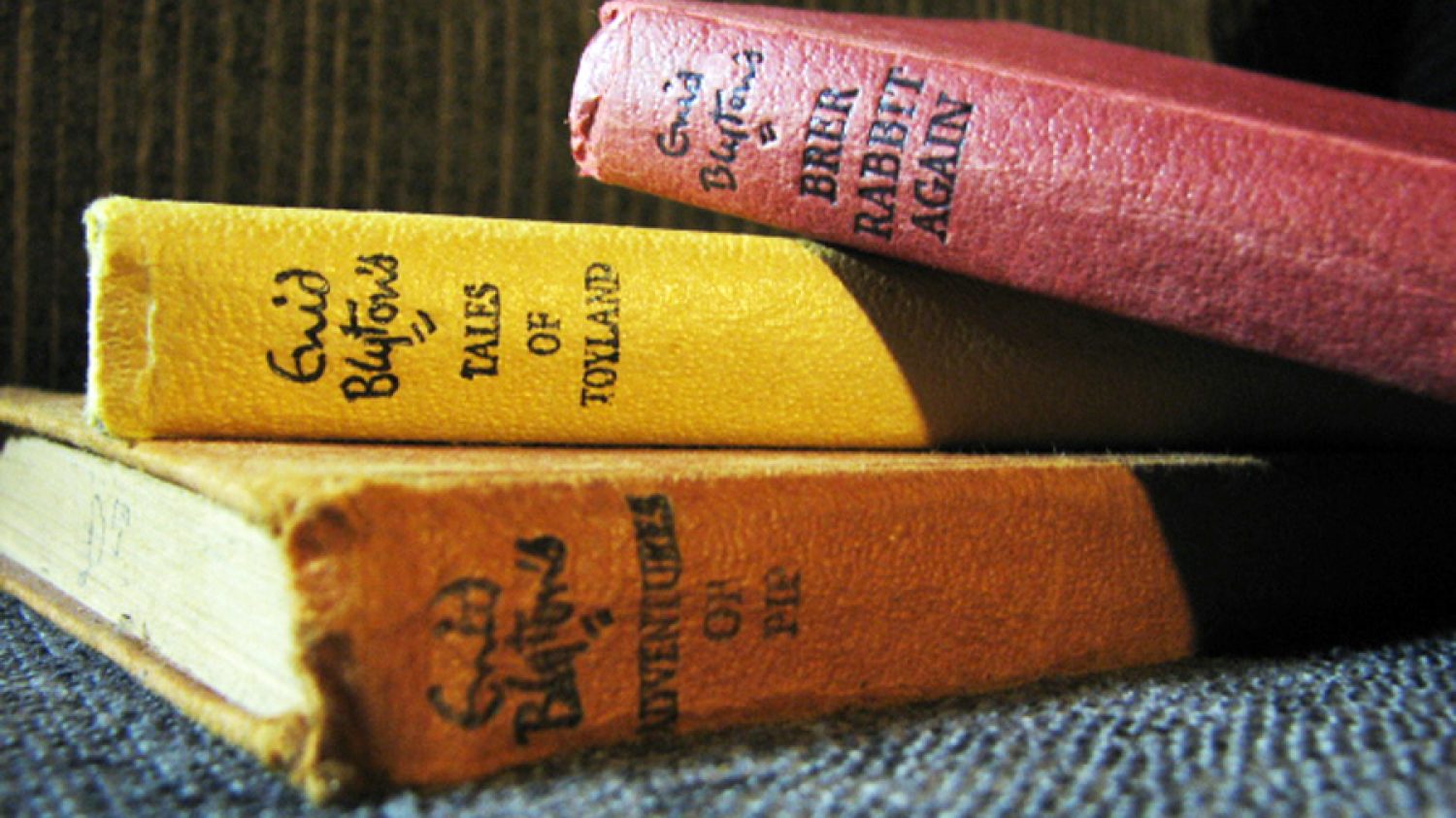
Enid Blyton’s work has long been controversial, but she told good stories and has been much loved through the generations.