Adrian Lukis
Adrian Lukis

Adrian Lukis Downunder

In 1995 actor Adrian Lukis took on the role of roguish Mr Wickham in the acclaimed BBC production of Pride and Prejudice. Adrian is a familiar face in TV dramas – he has appeared in Death in Paradise, Peak Practice, Maigret, The Bill, Judge John Deed, Miss Marple, Grantchester, The Casebook of Sherlock Holmes, and many other series.

In 2023 he made his first visit to Australia since that production.

In 2019 he created and performed in the one-man show Being Mr Wickham, which he co-wrote with Catherine Curzon. Lighthearted and humorous, George Wickham, on the night before he turns 60, looks back on his debauched past.

Lukis, a well-dressed and rugged Wickham, is perfection in this role..”

David Finkle
New York Stage Review

Adrian Lukis has appeared regularly in British television drama since the late 1980s, building a diverse career spanning several decades.

One of his most notable roles is that of Mr Wickham in the 1995 BBC adaptation of Jane Austen’s Pride and Prejudice. Handsome and debonair, insincere and untrustworthy, his Wickham was a memorable part of that wonderful production. Who can forget his feigned modesty as he tells Elizabeth how Darcy has mistreated him? Or his elopement with bouncy Lydia Bennet?

In addition to his work in classic literature adaptations, Lukis has been involved in numerous other television projects. He has appeared in popular British TV series such as Peak Practice, Maigret, and Silent Witness, showcasing his versatility as an actor. In 2019 he reprised his role as George Wickham in the world premiere of Being Mr Wickham, a new play he co-wrote with Catherine Curzon and performed at the Old Georgian Theatre Royal in Bath as part of the Jane Austen Festival.

Tell me your thoughts by leaving a comment.

Selected links for relevant websites, books, movies, videos, and more. Some of these links lead to protected content on this website, learn more about that here.

I provide these links for convenience only and do not endorse or assume liability for the content or quality of these third-party sites. I only recommend books I have read and know. Some of these links may be affiliate links. If you buy a product by clicking here I may receive a small commission. It doesn’t cost you anything extra, but does help cover the cost of producing my free newsletter.

Leave a comment.

Featured image- Adrian Lukis, photo by Cathy Morrison, 2023
Madeleines & Marcel Proust

A Madeleine Moment

Possibly the most famous food moment in all of literature is the bite of a small cake called a madeleine, dipped into a cup of lime flower tea, which occurs in Marcel Proust’s In Search of Lost Time (also known as Remembrance of Things Past):

No sooner had the warm liquid mixed with the crumbs touched my palate than a shudder ran through me and I stopped, intent upon the extraordinary thing that was happening to me. An exquisite pleasure had invaded my senses, something isolated, detached, with no suggestion of its origin. And at once the vicissitudes of life had become indifferent to me, its disasters innocuous, its brevity illusory – this new sensation having had on me the effect which love has of filling me with a precious essence; or rather this essence was not in me it was me. … Whence did it come? What did it mean? How could I seize and apprehend it? … And suddenly the memory revealed itself. The taste was that of the little piece of madeleine which on Sunday mornings at Combray (because on those mornings I did not go out before mass), when I went to say good morning to her in her bedroom, my aunt Léonie used to give me, dipping it first in her own cup of tea or tisane. The sight of the little madeleine had recalled nothing to my mind before I tasted it. And all from my cup of tea.

Proust uses the little cake to contrast voluntary with involuntary memory and when the narrator uses taste and smell to show how memories of the past can involuntarily come flooding back. I think we all know the way that smell and taste can bring back vivid memories of the past. ‘Proust’s madeleine’ is a term still used today to refer to a sensory cue that triggers a memory.

A madeleine is a small sponge cake, in the shape of a shell. It can be flavoured with almond or with lemon. It originated in northeastern France, some time in the 18th century, but it is not known exactly why they have the shape and name they do. They could be connected with the Santiago de Compostela pilgrimage (the sign for a pilgrim is the shell of St Jacques), or there could have been a woman named Madeleine who made them for a noble family.

The little cakes are now so intimately connected with Proust that in the town of Illiers-Combray, the ‘Combray’ of his novel, two rival baking establishments claim that it was in their shop that the madeleine of Proust’s novel was first bought (the novel is intensely biographical, so it can be taken for granted that Proust himself experiences the gastronomic moment he gives to his narrator). The air of the little town is filled with the scent of freshly baked cakes and all the shops sell them as souvenirs.

Smell accounts for over 75% of what we are tasting, and the little cakes do smell, and taste, fabulous! So how about creating your very own ‘madeleine moment’ and cooking these gorgeous little cakes yourself?

Madeleines

You should use a traditionally-shaped madeleine pan. However, if you don’t have one, you can cheat and use a baking tin with hollows of a similar size. This is my recipe:

75g butter, melted and cooled, plus extra to grease pan
75g of self-raising flour, sifted
2 eggs, lightly beaten
75g caster sugar
Zest of 1 lemon
Icing sugar, to dust

Heat oven to 220 degrees. Brush madeleine tin with melted butter, then with flour, shaking off any excess.

Whisk eggs and sugar and lemon zest, until pale and doubled in volume. Gently fold in the flour. Pour the butter around the edges of the bowl and fold in, making sure you keep as much volume as possible. Cover and chill for 50 minutes.

Fill each madeleine hole two-thirds full with mixture, then bake for 10-12 mins or until risen and golden. Allow to cool in the pan for a few minutes and then slip madeleines onto a rack to cool. Dust with icing sugar before serving.

Makes 12.

Have you ever made Madeleines, or read Proust? Tell me your thoughts by leaving a comment.

Selected links for relevant websites, books, movies, videos, and more. Some of these links lead to protected content on this website, learn more about that here.

I provide these links for convenience only and do not endorse or assume liability for the content or quality of these third-party sites. I only recommend books I have read and know. Some of these links may be affiliate links. If you buy a product by clicking here I may receive a small commission. It doesn’t cost you anything extra, but does help cover the cost of producing my free newsletter.

Leave a comment.

Featured image- La Madeleine d’Illiers, by Patrick D, https://dynamic-media-cdn.tripadvisor.com/media/photo-o/13/b9/a9/0c/la-madeleine-d-illiers.jpg; & Madeleines and Vintage Tin by Karen Booth, https://www.flickr.com/photos/frenchtart/5474063577; & Marcel Proust, by Otto Wegener, https://commons.wikimedia.org/w/index.php?curid=40891955
Prof Jocelyn Harris
Prof Jocelyn Harris

A Burning Dilemma for Jocelyn Harris

If there was a fire in your home, which book would you rush to save from the flames? Do you have a much loved volume from childhood, a book that was a gift from someone special, or simply a copy of an adored novel that always falls open at the right page?

I asked my first distinguished guest, Prof Jocelyn Harris, this very question. She chose an intriguing and influential novel from the 18th century, one written when the novel was still a very new or ‘novel’ thing. At over a million words, it is one of the longest novels in the English language.

Join me as I discuss this book with Jocelyn and find out why she would save her very special copy in the case of a fire.

Do you agree with Jocelyn? Tell me your thoughts by leaving a comment.

Selected links for relevant websites, books, movies, videos, and more. Some of these links lead to protected content on this website, learn more about that here.

I provide these links for convenience only and do not endorse or assume liability for the content or quality of these third-party sites. I only recommend books I have read and know. Some of these links may be affiliate links. If you buy a product by clicking here I may receive a small commission. It doesn’t cost you anything extra, but does help cover the cost of producing my free newsletter.

Leave a comment.

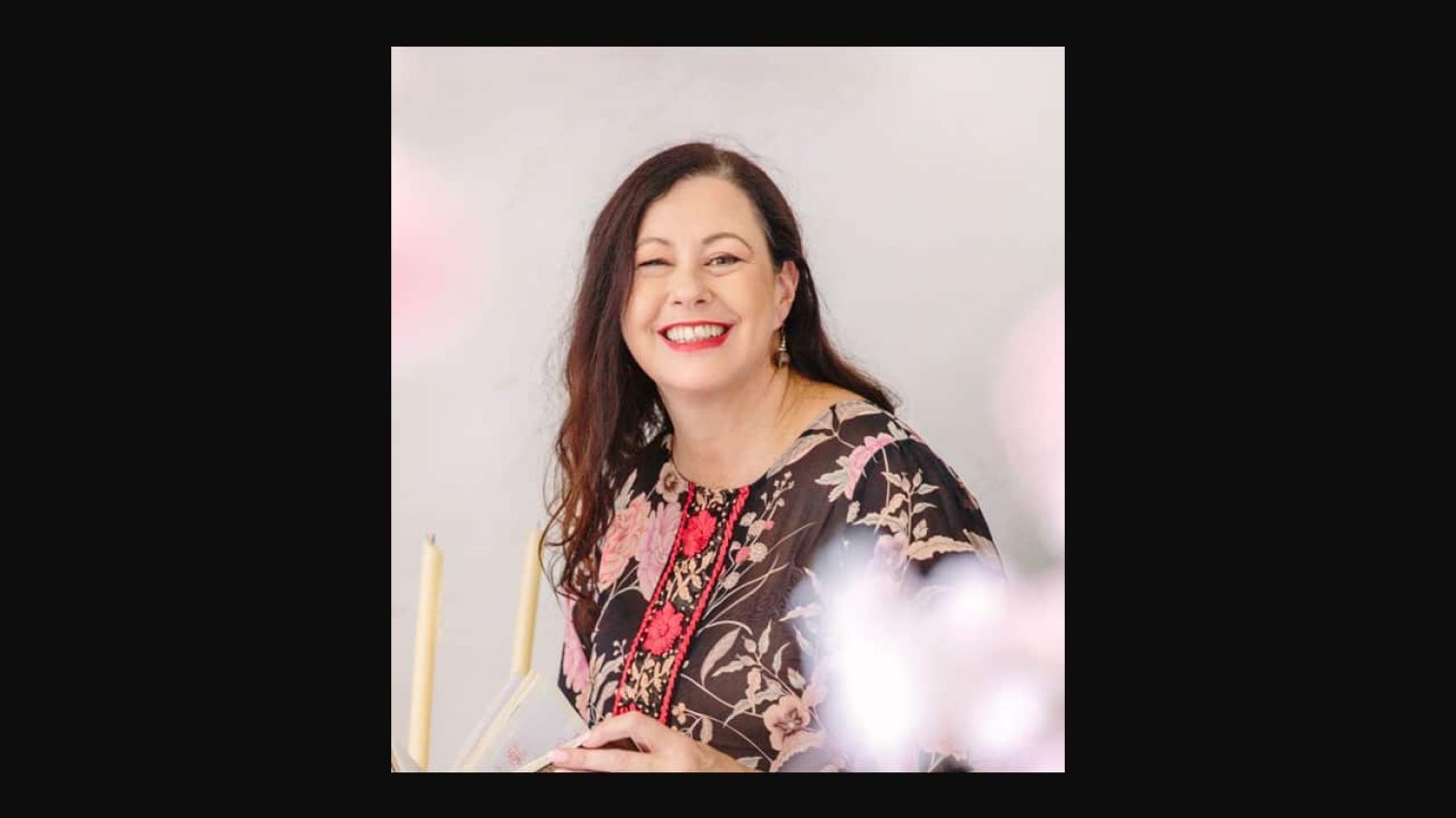
Featured image- Prof Jocelyn Harris © Susannah Fullerton