Notes From A Book Addict

Susannah Fullerton's monthly newsletter.
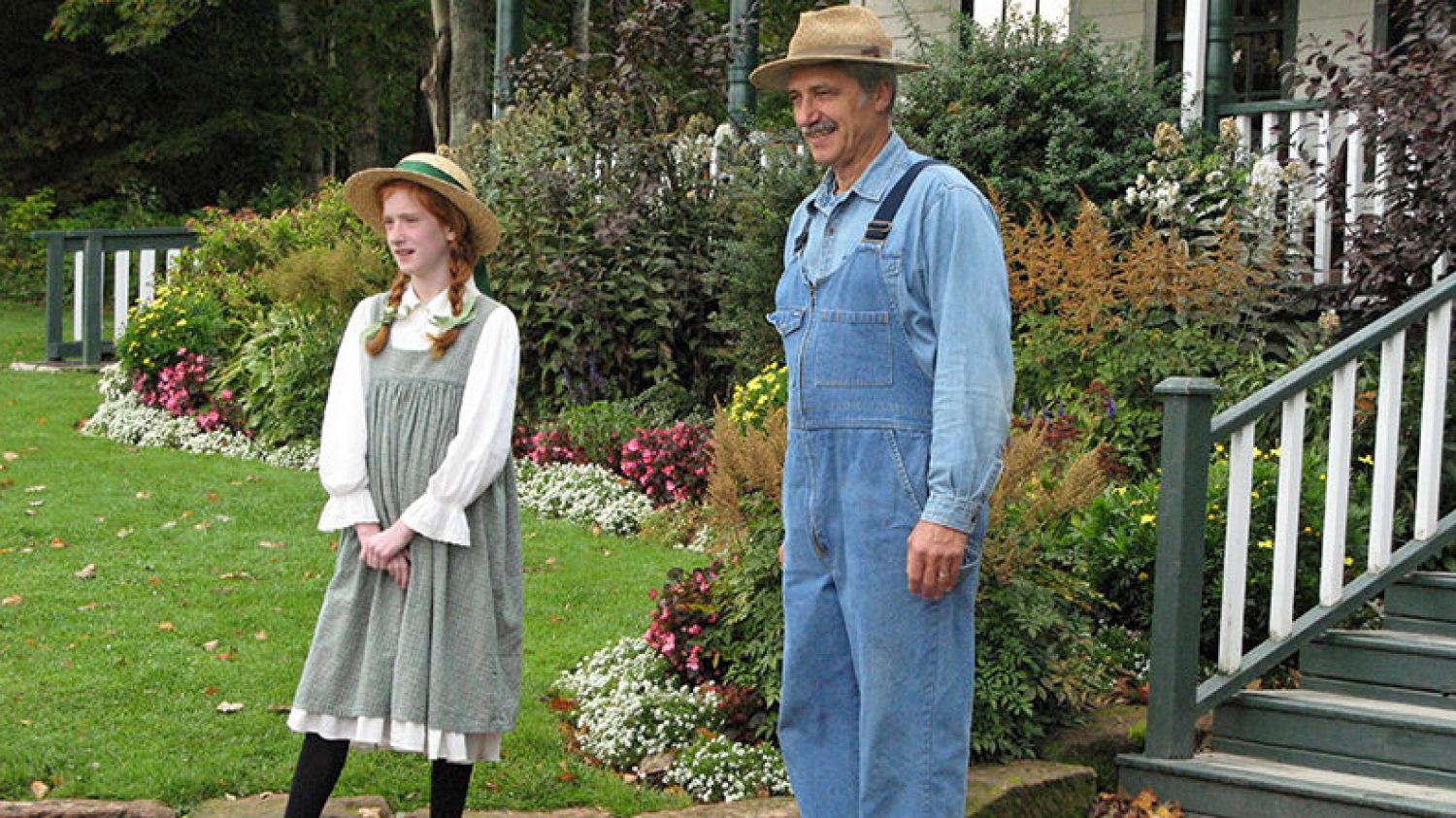
Actors at the Anne of Green Gables museum
Actors at the Anne of Green Gables museum in Cavendish, Prince Edward Island.

Film adaptations of the classics

I don’t think any book will ever hold quite the place in my heart that one book does – L.M. Montgomery’s Anne of Green Gables. It is a book I read again and again throughout my childhood, as I read all the Anne books, and continue to re-read as an adult. For me no film version can ever capture the magic of the book. The TV series with Megan Followes began well, and then diverged so wildly from the novels that it just made me cross. So I am very excited to see what sort of job they have made of a new movie version.

Anne is acted by Ella Ballentine, the executive producer is Montgomery’s own granddaughter, and the filming was done on Prince Edward Island.

Release date in Australia was supposed to be June. Did it come and go so fast that I missed it completely? Does anyone know when it will be on Aussie screens?


And on the subject of films, there is to be a new period drama movie about the life of American poet Emily Dickinson. It is called A Quiet Passion and stars Cynthia Nixon as Emily and Jennifer Ehle as her sister Lavinia. A replica of her Amherst home was made as a setting and some scenes were shot in Amherst. It is already getting excellent reviews and will be showing in the UK in November, so hopefully soon after that in Australia.

If you want a truly fascinating read about Emily’s strange life, try Lives like Loaded Guns: Emily Dickinson and her Family’s Feuds by Lyndall Gordon. I was totally riveted by the extraordinary affair between her brother Austin and the luscious Mabel Loomis Todd, and was very convinced by the theory that Emily suffered from epilepsy.

Did you enjoy Anne of Green Gables as much as I did?  Or have you already read Lyndall Gordon’s book about Emily Dickinson? Please share your comments below.

Selected links for relevant websites, books, movies, videos, and more. Some of these links lead to protected content on this website, learn more about that here.

Susannah Fullerton: Anne of Green Gables is published
Susannah Fullerton: L.M. Montgomery & Anne of Green Gables
Susannah Fullerton: L.M. Montgomery marries
Susannah Fullerton: Marilla’s Raspberry Cordial
L.M. Montgomery
Anne of Green Gables by Lucy Maud Montgomery

Project Gutenberg: L. M. Montgomery Anne of Green Gables
Librivox: L.M. Montgomery Anne of Green Gables

  PURCHASE Google Play: Lyndall Gordon Lives Like Loaded Guns: Emily Dickinson and Her Family’s Feuds
  PURCHASE Amazon Kindle: Lyndall Gordon Lives Like Loaded Guns: Emily Dickinson and Her Family’s Feuds
I provide these links for convenience only and do not endorse or assume liability for the content or quality of these third-party sites. I only recommend books I have read and know. Some of these links may be affiliate links. If you buy a product by clicking here I may receive a small commission. It doesn’t cost you anything extra, but does help cover the cost of producing my free newsletter.

Leave a comment.

Comments are moderated, and will not appear until approved.
Featured image credit- Actors at the Anne of Green Gables museum in Cavendish, Prince Edward Island by Smudge 9000 from North Kent Coast, England – Anne of Green Gables Museum, CC BY 2.0, https://commons.wikimedia.org/w/index.php?curid=8664341. [cropped]
Roald Dahl
Roald Dahl

Roald Dahl’s 100th birthday

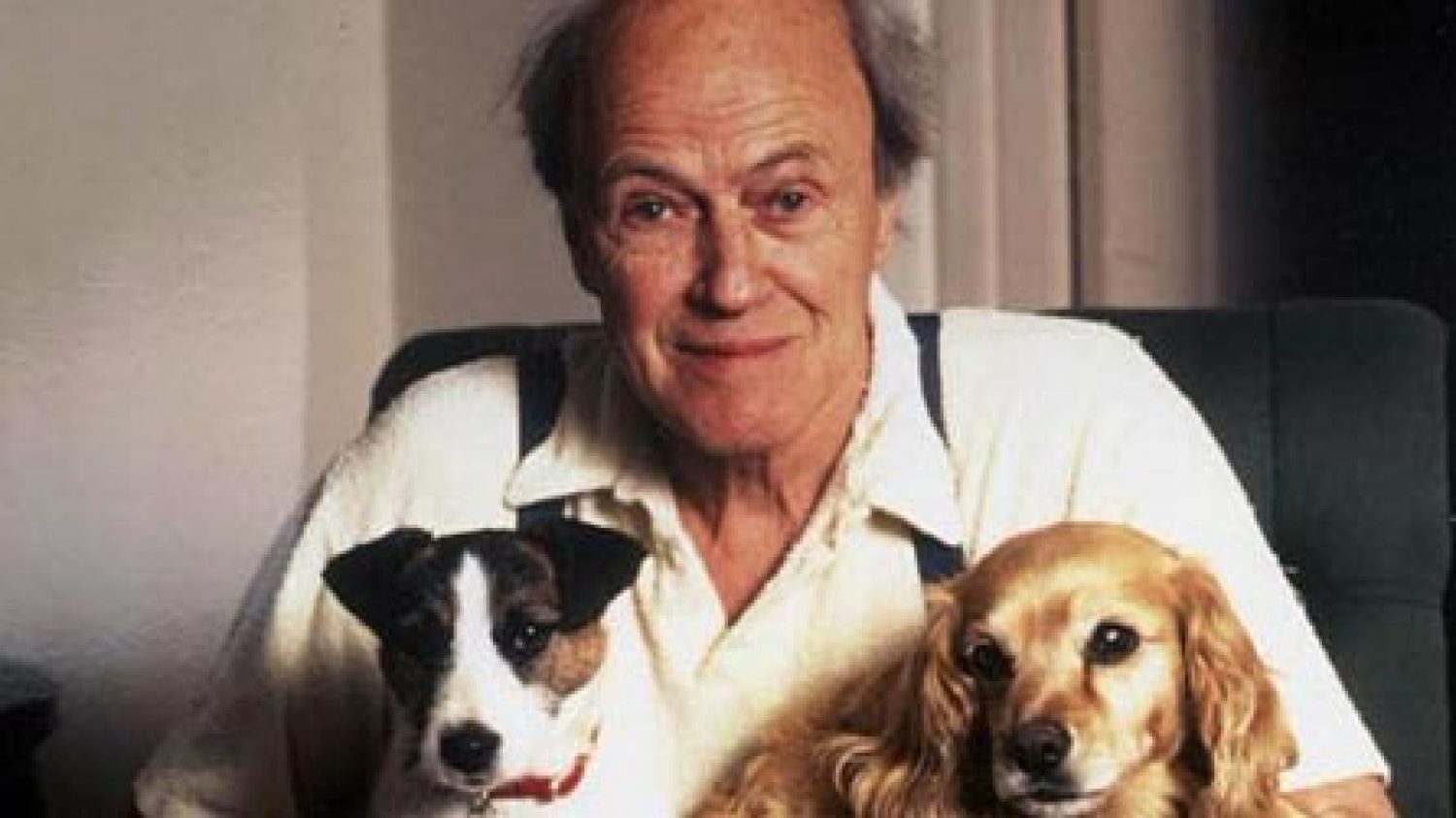
On the 13th September it will be Roald Dahl’s 100th birthday. His books have sold over 200 million copies worldwide, have been made into movies, been honoured with awards, and Dahl is seen as one of the greatest writers for children in the 20thC. My children all have fond memories of listening to audio cassettes of George’s Marvellous Medicine, while I first read James and the Giant Peach because it was recommended to me as one of the very best read-aloud books for children.

Dahl was born in Wales, but his home in the village of Great Missenden, Buckinghamshire, opened to the public in 2005 and is on my ‘to see’ list of literary places.

Which Roald Dahl books were your children’s favourites? Have you seen the current movie adaption of Dahl’s The BFG? I’d love to hear your thoughts.

Susannah Fullerton: 13 September 1916, Roald Dahl is born
Susannah Fullerton: 23 November 1990, Roald Dahl dies

Roald Dahl website

   YouTube: Disney’s The BFG – Official Trailer
   George’s Marvellous Medicine by Roald Dahl, Quentin Blake (Illustrated by)
   James and the Giant Peach by Roald Dahl, Quentin Blake (Illustrated by)
   The Roald Dahl Audio Collection [Audio] by Roald Dahl, Roald Dahl (Read by)

I only recommend books I have read and know. Some of these links are my affiliate links. If you buy a book by clicking on one of these links I receive a small commission. It doesn’t cost you anything extra, but does help cover the cost of producing my free newsletter.


Leave a comment.

Comments are moderated, and will not appear until approved.


Featured image credit- Roald Dahl by Hardwick4 – Own work, CC BY-SA 4.0, https://commons.wikimedia.org/w/index.php?curid=48167197
A Book of old English love songs (1897)
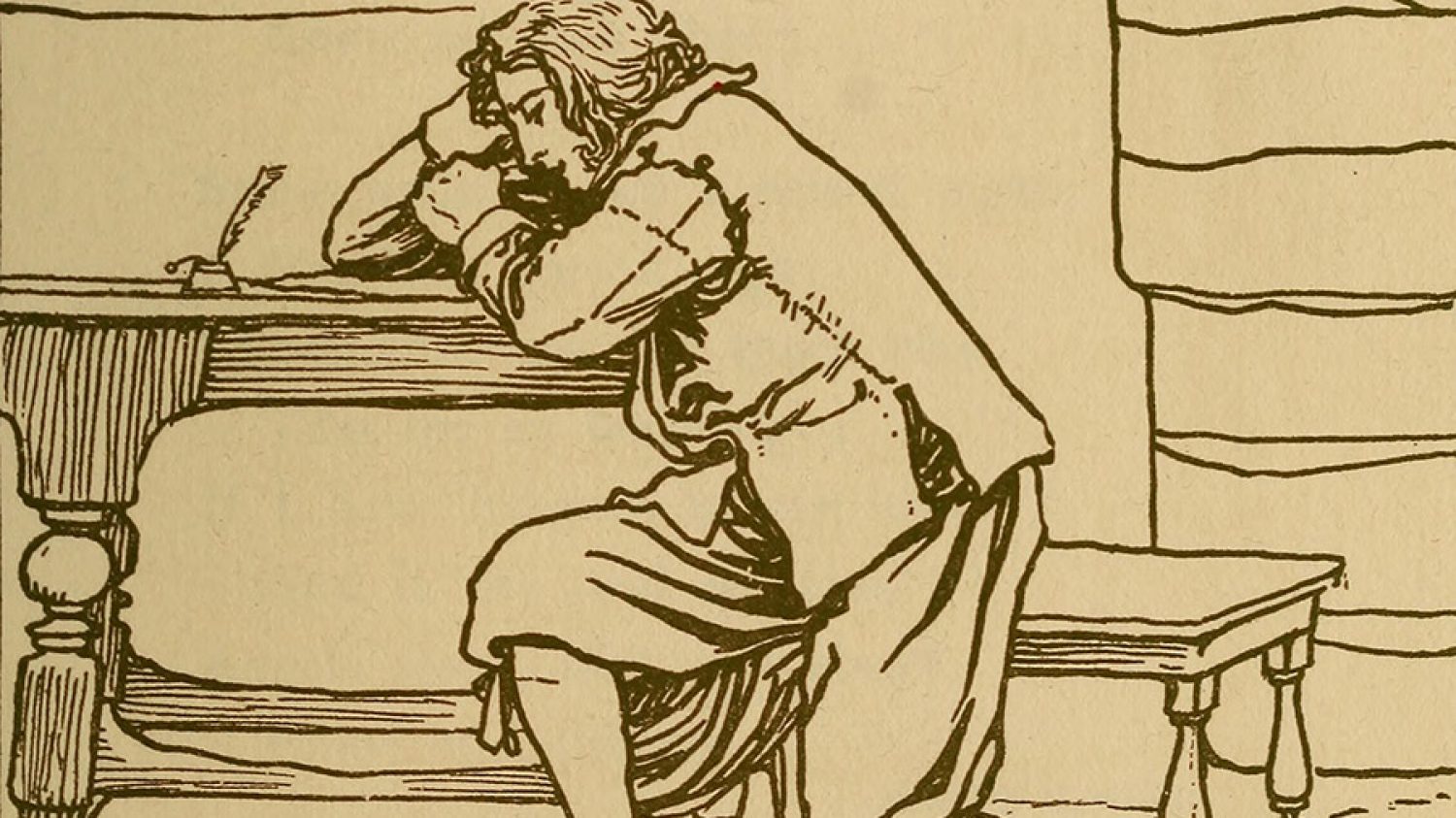
Illustration appearing in A Book of old English love songs by Mabie, Hamilton Wright, 1846-1916, ed; Edwards, George Wharton, 1859-1950, illus. (cropped)

Richard Lovelace & To Althea, from Prison

To Althea, from Prison by Richard Lovelace

Richard Lovelace By William Dobson - Web Gallery of Art. Public Domain, https://commons.wikimedia.org/w/index.php?curid=4056436

Richard Lovelace By William Dobson

When Love with unconfinèd wings
Hovers within my Gates,
And my divine Althea brings
To whisper at the Grates;
When I lie tangled in her hair,
And fettered to her eye,
The Gods that wanton in the Air,
Know no such Liberty. Read more

Books Versus E-readers image
Books Versus E-readers

Books versus E-readers

Two women reading on a verandah at Ingham, ca. 1894-1903

Two women reading on a verandah at Ingham, Qld. ca. 1894-1903

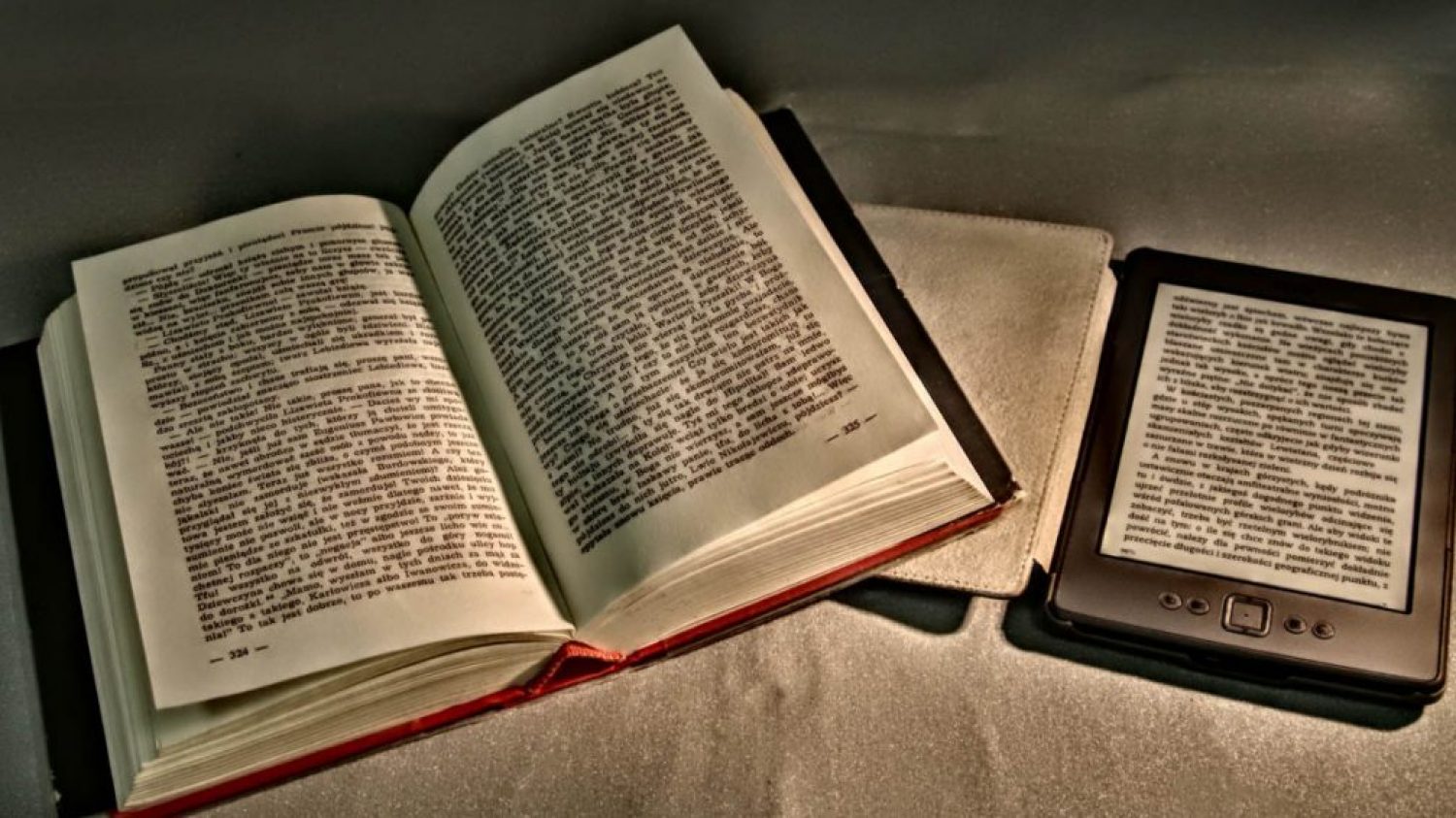
The physical object I love most in the world is a book. I love the smell, the touch of the paper, the amazing promise contained within its pages, the endless variety of covers, and its incredible portability. However, with lots of overseas travel recently, I have found it very convenient to use an e-reader, instead of taking a suitcase of heavy books with me. Generally the e-reader gets put away when I get home and I return to the real thing, but sometimes it comes out again and is used between journeys. Do you have an e-reader? Do you stick to the traditional book, or do you find that, like most people now, you are working out a balance between the two? Read more

Titlepage to 1645 Poems. John Milton.
Titlepage to 1645 Poems, with frontispiece depicting Milton surrounded by four muses, designed by William Marshall

John Milton & On his Blindness

John Milton image

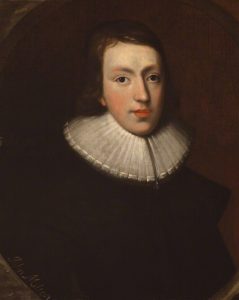
John Milton by Unknown artist, oil on canvas, feigned oval, circa 1629

Life seemed a very dark business to John Milton in 1655. His sight, which had been deteriorating for some years (probably as a result of untreated glaucoma) had totally gone, plunging him literally into a world of darkness. He was only 44, and his livelihood was at stake – as secretary in Cromwell’s government, he had to translate official foreign correspondence into Latin, write propaganda and serve as censor. He also wished to record the history happening around him, and write more personal poems as well. All this was seriously threatened by a loss of sight.

As a poet should, Milton sat down to work out his frustrations in verse. The result was …

On his Blindness by John Milton

When I consider how my light is spent
Ere half my days, in this dark world and wide,
And that one Talent which is death to hide,
Lodg’d with me useless, though my Soul more bent
To serve therewith my Maker, and present
My true account, least he returning chide,
Doth God exact day-labour, light deny’d,
I fondly ask; But patience to prevent
That murmur, soon replies, God doth not need
Either man’s work or his own gifts, who best
Bear his milde yoak, they serve him best, his State
Is Kingly. Thousands at his bidding speed
And post o’er Land and Ocean without rest:
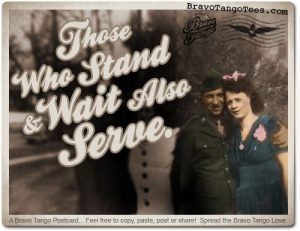
They also serve who only stand and waite.

Milton’s famous Petrarchan sonnet was first published in his 1673 volume of Poems. He numbered the poems in the volume, and never gave this one the title by which it is known today (that was given by an editor 100 years later).

The poem is a religious one. Milton refers to the Parable of the Talents from the Gospel of Matthew, exploring the idea that God judges people on whether they work for him to the best of their ability, rather than measuring actual production. Milton struggles to work out what God expects of him now that his sight has gone and he can no longer present “his true account” (ie, his poetry) to God. The first half of the sonnet expresses frustration and bewilderment, a wavering of faith. There is plenty of light/dark imagery, emphasising both the literal and spiritual darkness the poet is enduring.

In the second half of the poem the tone is calmer. Milton has come to see that whatever “yoak” God makes him bear must be accepted with grace and steadiness, and then he will continue serving God. While one door has shut, others will open – Milton soon began to use friends and family as amanuenses, so found he could continue to write poetry after all. He discovers that there are many different ways in which to serve. We all have a place and a purpose in the world, regardless of disability, but patience and acceptance are needed to acknowledge that.

Bravo Tango postcard: Those Who Stand and Wait

Bravo Tango postcard: Those Who Stand and Wait

The last line of the poem is very famous and often quoted. It was used as a slogan for the Home Front in WWII, appears frequently in the media, and is used for religious purposes and in advice books.

I am not religious and have no desire to serve any god, and yet I have always loved this poem. I think it is because of Milton’s deep sincerity, his anguish at losing his sight and his quest for something that can still give meaning to his relationship with God. It is amazing to think that a few years after writing this poem, Milton began Paradise Lost, his great work, without ever being able to see a word of it written down on a page.

For further reading:

   Project Gutenberg: John Milton Paradise Lost
   Librivox: John Milton Paradise Lost
   Susannah Fullerton: John Milton sells the rights to Paradise Lost


Leave a comment.

Comments are moderated, and will not appear until approved.


Featured image credit- Titlepage to 1645 Poems, with frontispiece depicting Milton surrounded by four muses, designed by William Marshall. By The original uploader was Esquilax8 at English Wikipedia – Transferred from en.wikipedia to Commons by Quadell using CommonsHelper., Public Domain, https://commons.wikimedia.org/w/index.php?curid=6411129
Body image credit- John Milton by Unknown 17th century artist – http://www.abolitionist.com/john-milton.jpg (original at National Portrait Gallery: NPG 4222). Public Domain, https://commons.wikimedia.org/w/index.php?curid=5405032
Body image credit- Bravo Tango postcard: Those Who Stand and Wait. from https://au.pinterest.com/pin/35817759505977075/
rose petals on book

Things Inside Books

Do you leave things inside books and forget about them? Or do you press flowers and leaves between the pages, so that many years later you will open that book and a memory will come flooding back?

There are several interesting sites on the web about strange objects left in books, and some book shops have even created displays of the odd objects found in books. Bookmarks are the most commonly forgotten thing, often those produced by the shop where the book was purchased. I have one friend who always leaves the receipt inside, so she can see years later how extravagant she was, or wasn’t. I envy the bookseller who opened a volume to have a signed letter by C.S. Lewis come tumbling out. Personal letters are often used as temporary bookmarks and then forgotten, so are airline tickets, cinema stubs, grocery lists, photos and recipes. More peculiar items discovered between the pages include locks of hair, fabric samples (a shade of grey for that dreadful Fifty Shades of Grey book would be appropriate), and keys. Monopoly money and real money drop out quite often, but for me, the two strangest objects I’ve heard of are a rasher of bacon and a smallpox sample left inside books.

Each item evokes a history – who was taking that flight? Which person could be so absentminded and smell-insensitive as to leave raw bacon in a volume? Who features in the photo, and did the things on the grocery list ever get bought? There is a mystery about such items, unless you placed them there yourself, and perhaps even then it can be hard to remember how the item came to be there. So next time you pick up something rather odd to use as a bookmark, think carefully about who might one day find it still there.

I’d love to hear what you’ve found forgotten inside a book. Leave a comment and tell me.

Selected links for relevant websites, books, movies, videos, and more. Some of these links lead to protected content on this website, learn more about that here.

I provide these links for convenience only and do not endorse or assume liability for the content or quality of these third-party sites. I only recommend books I have read and know. Some of these links are my affiliate links. If you buy a product using one of these links I may receive a small commission. It doesn’t cost you anything extra, but does help cover the cost of producing my free newsletter.

Leave a comment.

Comments are moderated, and will not appear until approved.
Featured image- Rose petals on a book. from https://pixabay.com/en/dried-rose-rose-petals-photo-album-1224851/
Olivia de Havilland and Richard Burton publicity photo in My Cousin Rachel, 1952.
Olivia de Havilland and Richard Burton publicity photo in My Cousin Rachel, 1952. By Unknown - eBay, Public Domain.

My Cousin Rachel

Angela Du Maurier; Jeanne du Maurier; 'Muriel Beaumont', Lady Du Maurier; Daphne Du Maurier by Rita Martin

Angela Du Maurier; Jeanne du Maurier; ‘Muriel Beaumont’, Lady Du Maurier; Daphne Du Maurier by Rita Martin, bromide postcard print, circa 1912

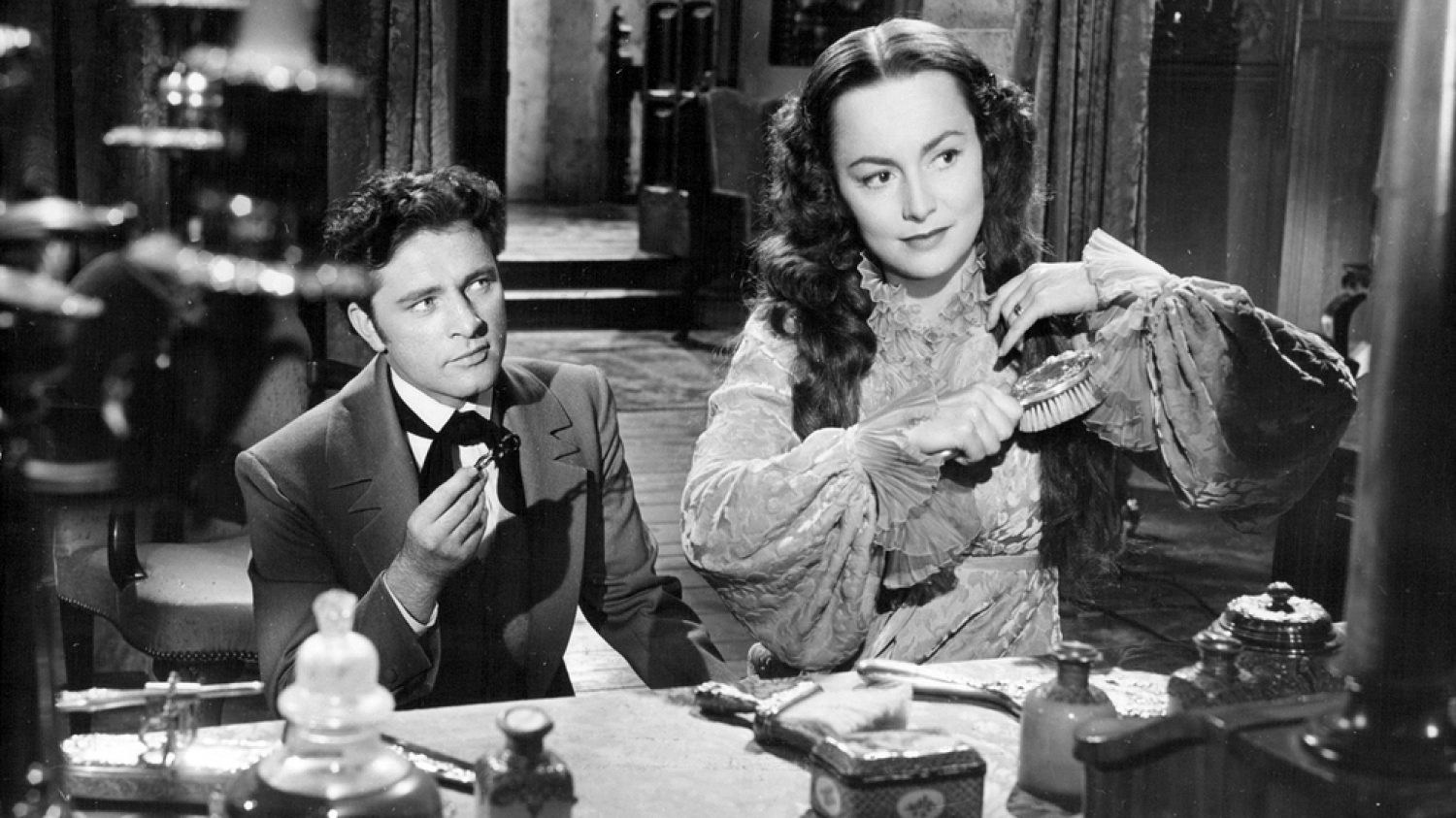
The picture above shows Olivia de Havilland and Richard Burton in a publicity photo for the 1952 movie version of My Cousin Rachel, the novel by Daphne du Maurier. The novel was published in 1951, and made into a film which was nominated for four Oscars.

There have been several other adaptations over the years including a 4-part BBC series and a radio adaption, and now a new movie version is in production. It stars Sam Claflin, Rachel Weisz and Iain Glen and is scheduled for release in 2017. To learn more about the new film, click here.

The novel is very gothic and dark, and Daphne du Maurier refused ever to tell her readers if Rachel committed murder or not. I must re-read the novel before going to see the film. I recently enjoyed reading Daphne du Maurier and her Sisters by Jane Dunn. They were three rather muddled women, but all talented in their own ways.

You may enjoy viewing the 20th Century Fox publicity video for the 1952 movie version where you can “thrill to the discovery of a bright new star … Richard Burton”. Check it out on YouTube: https://youtu.be/iL2qTmJB5WM

The 4-part BBC series is also on YouTube commencing with the first episode here: https://youtu.be/OUFhX7fYfkU

Do you remember seeing the 1952 movie or the BBC series? Did you know that Angela du Maurier, Daphne’s older sister, was also an author? Not a patch on Daphne, in my view, but you may like to try some of her books.

I’d love to hear your thoughts in the comment area below.

Selected links for relevant websites, books, movies, videos, and more. Some of these links lead to protected content on this website, learn more about that here.

  Susannah Fullerton: Daphne du Maurier and Rebecca
  Susannah Fullerton: HAPPY BIRTHDAY – Daphne Du Maurier, 13 May
   Rebecca by Daphne du Maurier
   My Cousin Rachel by Daphne du Maurier
   Jamaica Inn by Daphne du Maurier
   Frenchman’s Creek by Daphne du Maurier
   The Glass-Blowers by Daphne du Maurier
   Daphne du Maurier by Margaret Forster
   Daphne du Maurier and Her Sisters by Jane Dunn

I provide these links for convenience only and do not endorse or assume liability for the content or quality of these third-party sites. I only recommend books I have read and know. Some of these links may be affiliate links. If you buy a product by clicking on one of these links I may receive a small commission. It doesn’t cost you anything extra, but does help cover the cost of producing my free newsletter.

Leave a comment.

Comments are moderated, and will not appear until approved.
Featured image credit- Olivia de Havilland and Richard Burton publicity photo in My Cousin Rachel, 1952. By Unknown – eBay, Public Domain, https://commons.wikimedia.org/w/index.php?curid=47491628
Body image credit- Angela Du Maurier; Jeanne du Maurier; ‘Muriel Beaumont’, Lady Du Maurier; Daphne Du Maurier by Rita Martin, bromide postcard print, circa 1912. Public Domain, https://commons.wikimedia.org/w/index.php?curid=41302672
Kate Beckinsale Love and Friendship image

Love and Friendship

Love and friendship movie poster

Poster for the movie, Love & Friendship.

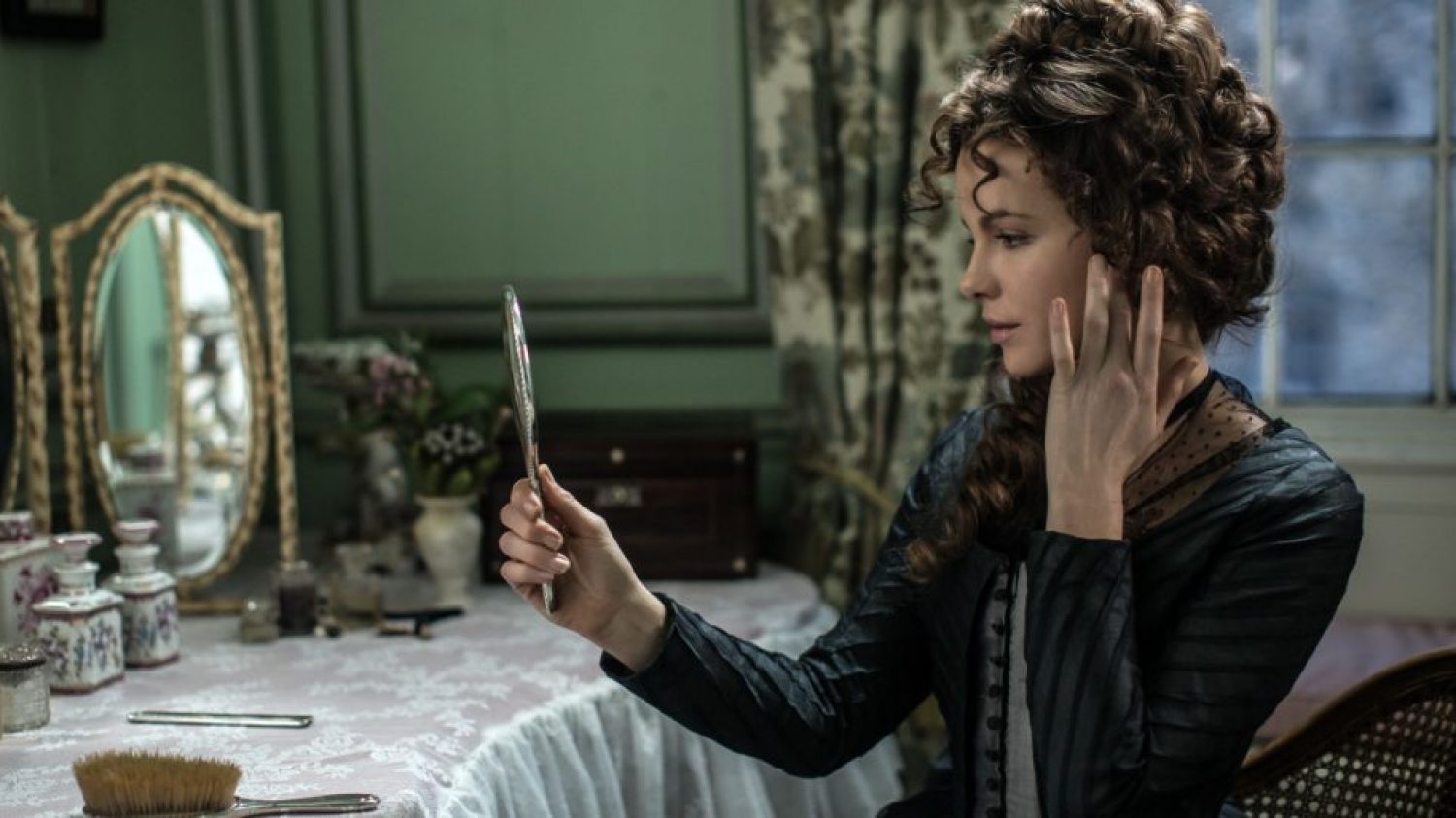
One movie I am especially excited about seeing this month is Love and Friendship. This is a film based on Jane Austen’s novella Lady Susan and it is getting rave reviews. It stars Kate Beckinsale and Stephen Fry. Visit the movie website to see the movie trailer and reviews.

Lady Susan is a vampish widow, who wants to marry a rich man and also get her daughter married to a rich man. Jane Austen wrote it when she was about 19 years old. The film is directed by Whit Stillman.

I am puzzled by his choice of title for the film. Love and Freindship (the mis-spelling is Jane Austen’s, not mine) was another early work of Jane Austen’s, about two sentimental young ladies and their misadventures, so the use of that title for a totally different work is confusing, but I am thrilled that the film has been made at all so will not cavil too much over what it has been named.

Do read Lady Susan, which was first published in 1871, before you go and see the film – it is a very funny work and shows how Jane Austen’s genius was flourishing even when she was a teenager. I’ve provided links below to download an ebook or an audio book, both free from Project Gutenberg.

   Project Gutenberg: Lady Susan
   Project Gutenberg: Lady Susan

So, which did you prefer, the book or this new film adaption? I’d love to hear your thoughts.


Leave a comment.

Comments are moderated, and will not appear until approved.


Featured image credit- Kate Beckinsale as Lady Susan in Love & Friendship. from: http://loveandfriendshipmovie.com/
Body image credit- Poster for the movie, Love & Friendship. The poster art copyright is believed to belong to the distributor of the film, the publisher of the film or the graphic artist. By Source, Fair use, https://en.wikipedia.org/w/index.php?curid=49201388
Photo of William Ernest Henley.

William Ernest Henley & Invictus

Invictus by William Ernest Henley

Out of the night that covers me,
Black as the pit from pole to pole,
I thank whatever gods may be
For my unconquerable soul.

William Ernest Henley

William Ernest Henley

In the fell clutch of circumstance
I have not winced nor cried aloud.
Under the bludgeonings of chance
My head is bloody, but unbowed.

Beyond this place of wrath and tears
Looms but the Horror of the shade,
And yet the menace of the years
Finds, and shall find me, unafraid.

It matters not how strait the gate,
How charged with punishments the scroll,
I am the master of my fate:
I am the captain of my soul.


William Ernest Henley (1849 – 1903) is remembered only for this poem and for the fact that his loss of one leg inspired his good friend Robert Louis Stevenson to create the character Long John Silver. Invictus was written in 1875 and published in 1888. It had no title to begin with, though Henley evidently thought of calling it The Thanksgiving. The choice of Invictus (meaning ‘unconquered’) as a title came from Arthur Quiller Couch, when he included the poem in The Oxford Book of English Verse.

It is a moving poem because Henley himself had much to conquer. He wrote the poem from a hospital bed, recovering from the amputation of his leg due to TB of the bone, from which he had suffered since the age of 12. He had been told that his other leg would also have to come off but, determined this would not happen, he begged Dr Joseph Lister to save it. He spent three years in hospital, but his left leg was eventually saved.

Margaret Henley circa 1893

Margaret Henley circa 1893

Henley was an influential editor and critic. He married and had a daughter called Margaret. A family friend was J.M. Barrie and little Margaret was very fond of Barrie – unable to pronounce the letter r, she called him ‘fwendy’. Barrie turned this into the name ‘Wendy’ for Peter Pan after Margaret died, aged five. The name had been in use as a surname before that time, but not as a name for girls, so if you are called ‘Wendy’, you can thank J.M. Barrie for that. So poor Henley had to endure much tragedy in his brief life (he died aged 53) and it is hardly surprising that he wrote poems about endurance and stoicism.

The poem is a powerful one because all of us, at some time or other in our lives, have battles to fight. The first lines evoke the night of pain and worry that cover the poet – there is blackness everywhere, or so it seems. But then he tells us that his soul is ‘unconquerable’ – he is not going to be beaten by this darkness. The poet recognises the “fell clutch of circumstance” – he knows that there are things he cannot control. Verse 2 insists that while coping with pain and “the bludgeonings of chance”, he might be bloody, but is yet unbowed. Verse 3 recognises that the “horror of the shade” (ie. Death) looms large. He knows that every year can bring new menace threatening his happiness and health, yet still he is unafraid. The last verse ends with the triumphant “I am the master of my fate / I am the captain of my soul”, asserting that no matter what fate might throw at us, we can still display bravery and endurance. Resistance to pain and trouble can be hard, but in the end it will bring a sense of individual strength and determination that make it possible to endure anything.

The poem has been very influential. It gave Nelson Mandela the courage to fight when locked up on Robben Island for 27 years – he often recited it to himself and to other prisoners. It is a pleasure to listen to Morgan Freeman discuss the poem and recite it.

Invictus inspired the title of the movie Invictus about the Rugby World Cup in South Africa after the dismantling of apartheid, starring Morgan Freeman. Murderer Timothy McVeigh gave a copy of the poem to his prison warden moments before he was executed. The Invictus Games are held for service personnel who have been wounded or badly affected by combat. Winston Churchill quoted from it to stir his listeners, as did Martin Luther King Jr.

Have you been moved by Henley’s powerful words? Or do you have a favourite inspirational poem you’d like to share with me?


Leave a comment.

Comments are moderated, and will not appear until approved.


Featured image credit- Photo of William Ernest Henley. From The Critic; an illustrated monthly review of literature, … v.40 (1902). – The Critic: http://babel.hathitrust.org/cgi/pt?id=hvd.hnxxb4;view=1up;seq=23;size=200, Public Domain, https://commons.wikimedia.org/w/index.php?curid=47531808
Body image credit- William Ernest Henley. The original uploader was Hfastedge at English Wikipedia – Transferred from en.wikipedia to Commons., Public Domain, https://commons.wikimedia.org/w/index.php?curid=417370
Body image credit- Margaret Henley. Uncredited – http://www.wendy.com/wendyweb/history.html, Public Domain, https://commons.wikimedia.org/w/index.php?curid=11211519
The Dickens family (and friends) in 1864 - (l-r) Charles Dickens, Jr., Kate Dickens, Charles Dickens, Miss Hogarth, Mary Dickens, Wilkie Collins, Georgina Hogarth.

The Sons and Daughters of Charles Dickens

I have always loved reading biographies of famous authors. However, sometimes a biography of members of an author’s family can also be fascinating. I recently read and loved Great Expectations: The Sons and Daughters of Charles Dickens by Robert Gottlieb.

Book cover - Great Expectations: The Sons and Daughters of Charles Dickens by Robert Gottleib

Book cover – Great Expectations: The Sons and Daughters of Charles Dickens by Robert Gottleib

Dickens and his ill-treated wife Catherine had ten children, many of whom were named for famous people and who had to live up to the very high expectations of their demanding father. Dickens could be huge fun, especially when his children were small, but as they grew older he expected success, neatness, and a display of the same drive and energy he himself possessed. Most of his children disappointed him, several inherited the ineptitude with money that Dickens’s own father had shown (he was the original for the immortal Mr Micawber) and Dickens was left paying the debts. The book also gives tragic glimpses of Dickens’s failure as a husband – his cruel treatment of Catherine had a huge impact on the lives of his children. Dickens could sum up a character with devastating precision – Mr Chadband in Bleak House “is a large yellow man, with a fat smile, and a general appearance of having a good deal of train oil in his system” – but he could describe the weaknesses of his own offspring as cruelly as he could sum up the faults of his fictional creations.

Have you read Robert Gottlieb’s book, or any other books about author’s families? I’d love to hear your thoughts.  Comment here.

Selected links for relevant websites, books, movies, videos, and more. Some of these links lead to protected content on this website, learn more about that here.

Susannah Fullerton: Charles Dickens is born
Susannah Fullerton: Charles Dickens
Susannah Fullerton: Returning to Dickens
Susannah Fullerton: The Sons and Daughters of Charles Dickens
Susannah Fullerton: Literary Pets – Grip the Raven
Susannah Fullerton: A Christmas Carol is published
Susannah Fullerton: Household Words is published
Susannah Fullerton: A Tale of Two Cities is published
Susannah Fullerton: Great Expectations is published
Susannah Fullerton: Charles Dickens has a bonfire
Susannah Fullerton: Charles Dickens dies
Susannah Fullerton: Charles Dickens A Christmas Carol, A video talk
Susannah Fullerton: Visit Charles Dickens locations on my Literary Landscapes of England tour

Great Expectations, The Sons and Daughters of Charles Dickens by Robert Gottlieb

I provide these links for convenience only and do not endorse or assume liability for the content or quality of these third-party sites. I only recommend books I have read and know. Some of these links may be affiliate links. If you buy a product by clicking on one of these links I may receive a small commission. It doesn’t cost you anything extra, but does help cover the cost of producing my free newsletter.

Leave a comment.

Comments are moderated, and will not appear until approved.
Featured image credit- The Dickens family (and friends) in 1864 – (l-r) Charles Dickens, Jr., Kate Dickens, Charles Dickens, Miss Hogarth, Mary Dickens, Wilkie Collins, Georgina Hogarth. By Unknown – http://www.pickwickbc.org.uk/Charles-Dickens.html, https://en.wikipedia.org/w/index.php?curid=36272296
Body image credit- Book cover ‘Great Expectations: The Sons and Daughters of Charles Dickens’ by Robert Gottleib. from https://books.google.com.au/books/about/Great_Expectations.html?id=71ySNkD_VRkC&source=kp_cover&redir_esc=y
The Book of Ebenezer Le Page by G B Edwards

The Book of Ebenezer Le Page

The island of Guernsey has inspired two very different novels. One became an international bestseller and introduced many readers to the island’s wartime history; the other, though less well known, is the book Guernsey people themselves most cherish.

In 2008, Mary Ann Shaffer’s epistolary novel, The Guernsey Literary and Potato Peel Pie Society (completed after her death by her niece, Annie Barrows), was published to enormous success and later adapted into a film in 2018. Set during the Nazi Occupation of Guernsey, it tells of islanders who use books and reading as a way of surviving hunger, fear and repression. I enjoyed the novel very much, but when I visited Guernsey I was fascinated to hear local reactions to it. Many islanders felt the American author, who had only briefly visited Guernsey, romanticised their history, used names that did not ring true locally, and failed to capture the real spirit of island life.

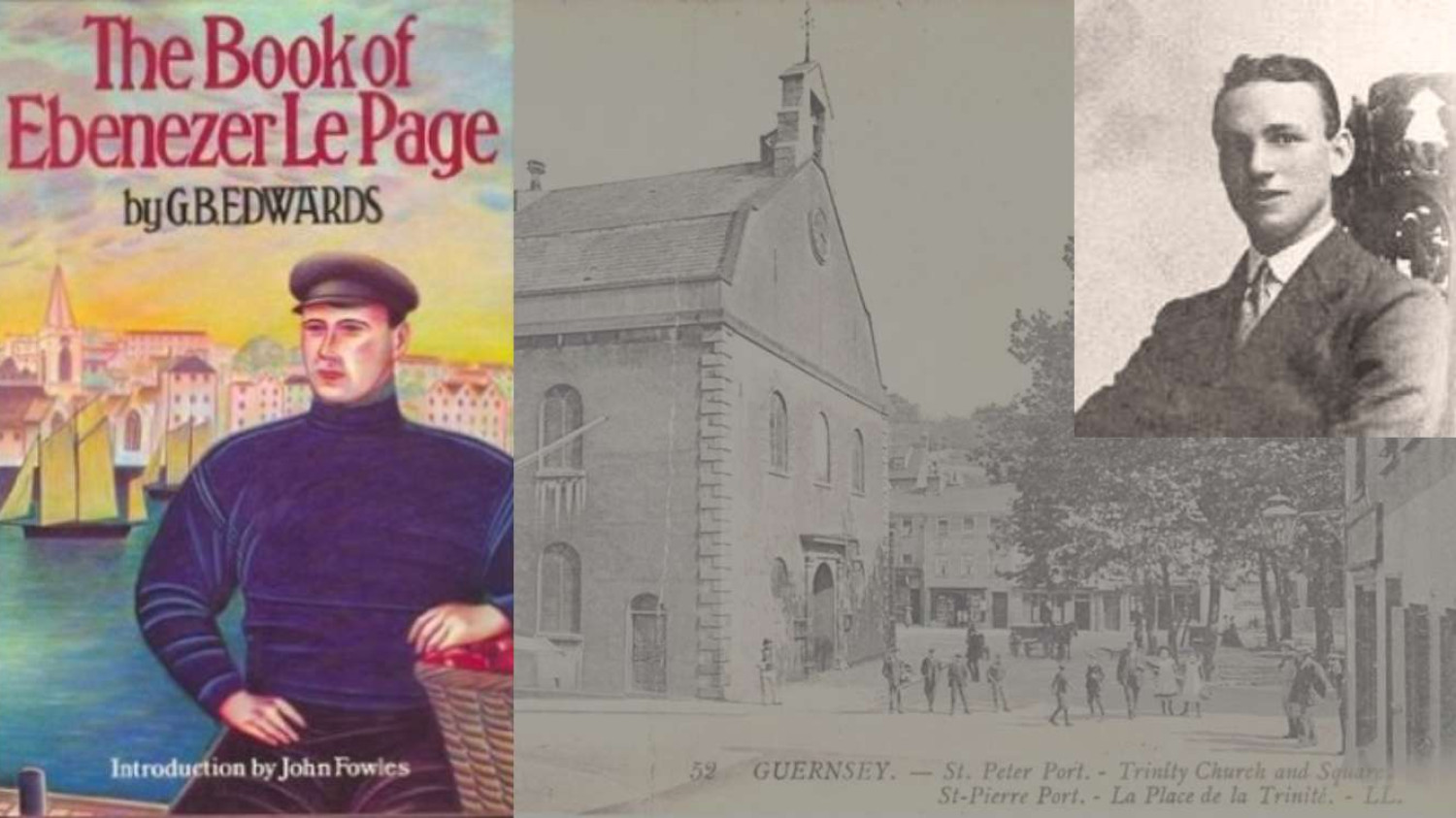
The book Guernsey people speak of with genuine affection is The Book of Ebenezer Le Page by Guernsey-born writer Gerald Basil Edwards (1899–1976), published posthumously in 1981 with an introduction by John Fowles. It is the fictional autobiography of Ebenezer, a fisherman and tomato-grower whose simple island life unfolds against the upheavals of the twentieth century, including two world wars and the Nazi Occupation. His tempestuous love for the flirtatious Liza Queripel, his friendship with Jim Mahy, and his fierce attachment to his island create a portrait of Guernsey that feels utterly authentic.

I fell in love with Guernsey when I visited, and this novel captured its spirit superbly. William Golding wrote that “to read it is not like reading but living”, while critics called it “a masterpiece” and “miraculous”. The novel has inspired both a radio play and a stage adaptation starring Roy Dotrice, though sadly it has never been filmed. I still hope that one day it will be. Guernsey’s first Blue Plaque was placed on the house where G.B. Edwards was born.

Have you read either of these books? What do you think? Tell me here in a comment.

Selected links for relevant websites, books, movies, videos, and more. Some of these links may lead to protected content on this website, learn more about that here.

Leave a comment.

Comments are moderated, and will not appear until approved.
Featured image- Holy Trinity Church Guernsey, uploaded by Marco Tersigni to Guernsey in the old days, https://www.facebook.com/groups/281810691956487; The Book of Ebenezer Le page, fair use, https://en.wikipedia.org/w/index.php?curid=20191720; & G.B. Edwards, https://www.goodreads.com/author/show/397165.G_B_Edwards

This month I will be visiting one of my favourite islands – Guernsey, one of the Channel Islands. The lovely painting above by Pierre-Auguste Renoir depicts Children on the Beach of Guernsey (1883). Islands have often inspired wonderful works of literature – think of Treasure Island, Robinson Crusoe, Coral Island, Lord of the Flies, Anne of the Island, And Then there were None and The Tempest, to name just a few. Guernsey is no exception. In 2008 the epistolary novel The Guernsey Literary and Potato Peel Pie Society by Mary Ann Schaffer and Annie Barrows was published and was a bestseller. Thousands of tourists made their way to Guernsey to see the places described so delightfully in the book. The islanders, however, were not so enthusiastic – they felt the book was not entirely accurate, did not use typical island names, and in many ways did not ring true. There were plans to make a movie out of it, but production was delayed until 2013, and nothing has happened since then, so it is not looking promising.

The Book of Ebenezer le Page first edition cover

The Book of Ebenezer le Page first edition cover

I have just finished reading a book that the people of Guernsey find much more accurate in describing their history. The Book of Ebenezer le Page by Gerald Basil Edwards is a novel that was published in 1981. It is a fictionalised autobiography of Guernseyman Ebenezer, who lives through WWI, the occupation of the island by the Nazis in WWII, who falls in love with the flirtatious Liza Queripel and who forms a close friendship with Jim Mahy. He leaves the island once – to go and watch a football game on neighbouring Jersey. The tenacity, insularity, loyalty and fierce independence of the Guernsey people are superbly portrayed. It was a book I felt I ought to read because I am about to take a literary tour group to Guernsey, but I am so delighted I felt that obligation. It was a compelling piece of writing that I will not soon forget.

William Golding said of this book “To read it is not like reading but living”, while other critics called it “a masterpiece”, “startlingly original”, “compelling” and “breathtaking”. You might like to spend time in Guernsey with fisherman and tomato-grower Ebenezer and see if you enjoy his rather crotchety company as much as I did.


Leave a comment.

Comments are moderated, and will not appear until approved.


Featured image credit- Children on the Beach of Guernsey (1883) by Pierre-Auguste Renoir. Public Domain, https://commons.wikimedia.org/w/index.php?curid=640356
Body image credit- The Book of Ebenezer le Page first edition cover. Derived from a digital capture (photo/scan) of the book cover. Fair use, https://en.wikipedia.org/w/index.php?curid=20191720
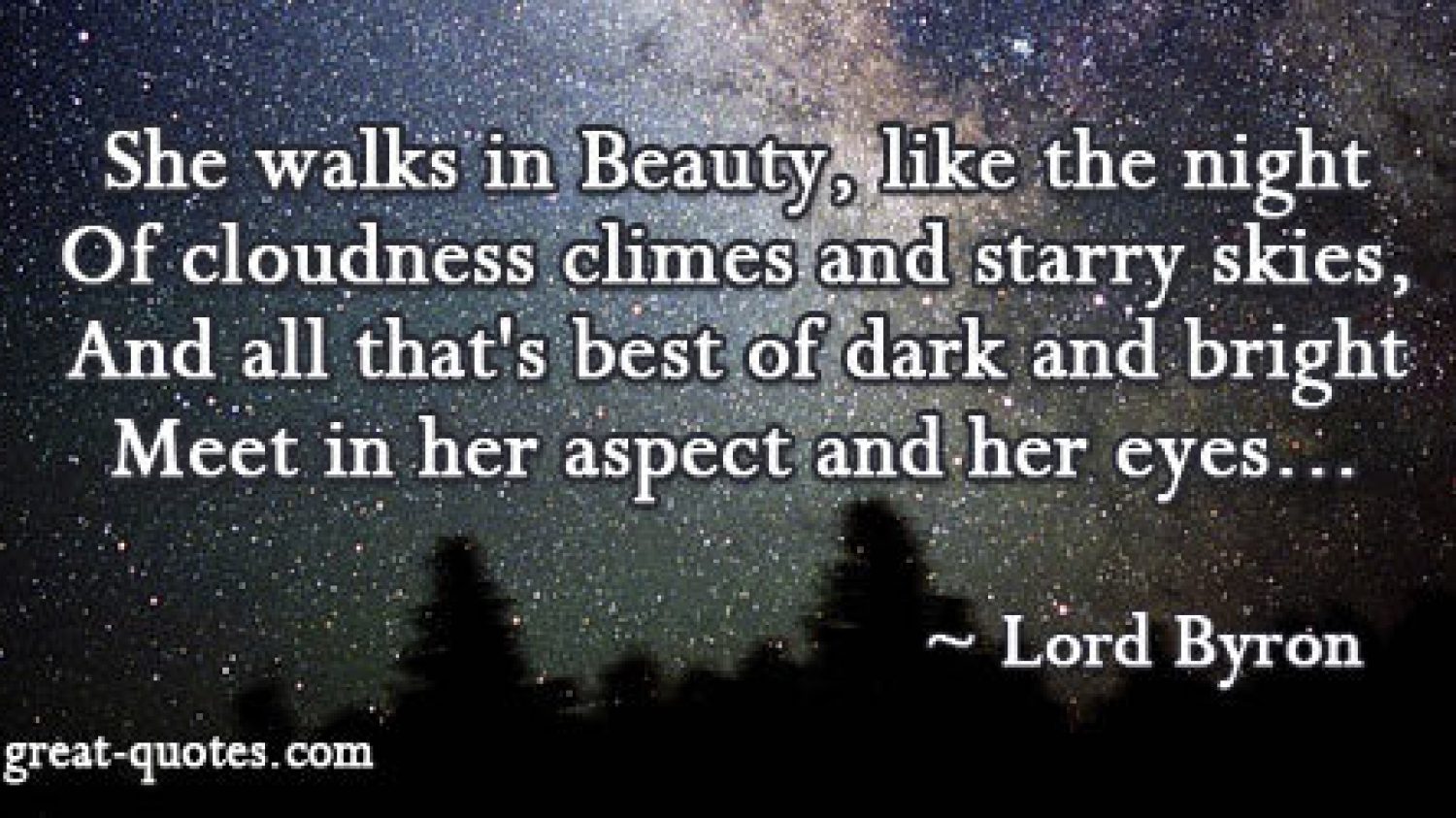
She Walks in Beauty Like the Night, Lord Byron image

Lord Byron & She Walks in Beauty

She Walks in Beauty by Lord Byron

She walks in beauty, like the night
Of cloudless climes and starry skies;
And all that’s best of dark and bright
Meet in her aspect and her eyes:
Thus mellow’d to that tender light
Which heaven to gaudy day denies.

One shade the more, one ray the less,
Had half impaired the nameless grace
Which waves in every raven tress,
Or softly lightens o’er her face;
Where thoughts serenely sweet express
How pure, how dear their dwelling-place.

And on that cheek, and o’er that brow,
So soft, so calm, yet eloquent,
The smiles that win, the tints that glow,
But tell of days in goodness spent,
A mind at peace with all below,
A heart whose love is innocent!


Portrait of Lord Byron by Richard Westall image

Portrait of Lord Byron by Richard Westall

This lovely poem by George Gordon, Lord Byron, was written in 1814. There were many women in the Romantic poet’s life – it’s not for nothing he was called “mad, bad, and dangerous to know” – but the woman who inspired this verse was not one of his many lovers. She was Anne Wilmot, wife of his cousin Sir Robert Wilmot. When he saw her for the first time at a party in June 1814, he was entranced. She was in mourning, wearing a deep black dress with spangles on it. His friend James W. Webster recorded: “I did take him to Lady Sitwell’s party in Seymour Road. He there for the first time saw his cousin, the beautiful Mrs. Wilmot. When we returned to his rooms in Albany, he said little, but desired Fletcher to give him a tumbler of brandy, which he drank at once to Mrs. Wilmot’s health, then retired to rest, and was, I heard afterwards, in a sad state all night. The next day he wrote those charming lines upon her – She walks in Beauty like the Night.”

The poem, written in iambic tetrameter, is an astonishingly chaste one for Byron. He does not actually tell us the lady is beautiful – rather she walks in an aura of loveliness. In the first stanza, he highlights her looks through a series of contrasts – night / day, dark / bright, light / shadow. The second stanza stresses the balance that is in her looks, showing that her exterior reflects the calm and purity of her inner life. The third stanza again focuses on the detail of her face – brow, cheek, smile – asserting that such loveliness comes from the inner beauty of the woman. The poem is technically about one woman, but it extends from one individual to touch on ideal beauty and unobtainable perfection generally.

Byron wrote the poem to be set to music by Isaac Nathan, along with other poems also to be set to Nathan’s tunes. These were all published in 1815 as Hebrew Melodies a hugely successful volume which rapidly sold 10,000 copies. Click here to listen to the poem being sung to Nathan’s original tune, or see a print of it in The complete works of Lord Byron, A. and W. Galignani, 1841, p. 254.

I’ve always loved this poem which remains one of Byron’s best known shorter works. When I read it as a teenager, I longed for some man to write a poem like this about me. I’m still waiting …

Do you have a favourite Byron poem? Or are you lucky enough to have a poem written about you? Let us all know. Leave a comment.

Selected links for relevant websites, books, movies, videos, and more. Some of these links lead to protected content on this website, learn more about that here.

Susannah Fullerton: Lord Byron & She Walks in Beauty
Susannah Fullerton: Lord Byron & So We’ll Go No More a Roving
Susannah Fullerton: Lord Byron & The Destruction of Sennacherib
Susannah Fullerton: Lord Byron is born
Susannah Fullerton: Literary Pets – Bruin the bear
Susannah Fullerton: Lord Byron dissolves his marriage
Susannah Fullerton: Lord Byron proposes a literary challenge
Historic UK: Lord Byron
Poetry Foundation: Lord Byron

I provide these links for convenience only and do not endorse or assume liability for the content or quality of these third-party sites. I only recommend books I have read and know. Some of these links may be affiliate links. If you buy a product by clicking on one of these links I may receive a small commission. It doesn’t cost you anything extra, but does help cover the cost of producing my free newsletter.

Leave a comment.

Comments are moderated, and will not appear until approved.
Featured image credit- She Walks in Beauty Like the Night, Lord Byron. from Great Quotes http://www.great-quotes.com/photo/2245330
Body image credit- Portrait of Lord Byron by Richard Westall. By Richard Westall (died 1836) – National Portrait Gallery. http://www.npg.org.uk/collections/search/portrait/mw00989/George-Gordon-Byron-6th-Baron-Byron

Susannah Fullerton: Lord Byron & She Walks in Beauty
Susannah Fullerton: Lord Byron & So We’ll Go No More a Roving
Susannah Fullerton: Lord Byron & The Destruction of Sennacherib
Susannah Fullerton: Lord Byron is born

Susannah Fullerton: Literary Pets – Bruin the bear

Susannah Fullerton: Lord Byron dissolves his marriage
Susannah Fullerton: Lord Byron proposes a literary challenge
Historic UK: Lord Byron
Poetry Foundation: Lord Byron

I provide these links for convenience only and do not endorse or assume liability for the content or quality of these third-party sites. I only recommend books I have read and know. Some of these links may be affiliate links. If you buy a product by clicking on one of these links I may receive a small commission. It doesn’t cost you anything extra, but does help cover the cost of producing my free newsletter.

Leave a comment.

Comments are moderated, and will not appear until approved.
Featured image credit- She Walks in Beauty Like the Night, Lord Byron. from Great Quotes http://www.great-quotes.com/photo/2245330
Body image credit- Portrait of Lord Byron by Richard Westall. By Richard Westall (died 1836) – National Portrait Gallery. http://www.npg.org.uk/collections/search/portrait/mw00989/George-Gordon-Byron-6th-Baron-Byron
Mark Twain at breakfast, 1895
Mark Twain at Breakfast in 1895 on the US leg of round the world tour. Photographer probably Major J. B. Pond. steamboattimes.com

Twain and Trollope in Oz

Every week Australian ABC Radio National presents PocketDocs, a radio program featuring documentaries, fiction, monologues and musings, presented by Natalie Kestecher.

In the episodes aired on 16 May 2016, Susannah Fullerton, with Chris Wallace, Don Watson and Nigel Starck, take you on a journey back to the literary circuit of early Australia when two celebrated writers arrived on our shores. Read more

James_Hopkinsons_Plantation_Slaves_Planting_Sweet_Potatoes-cropped
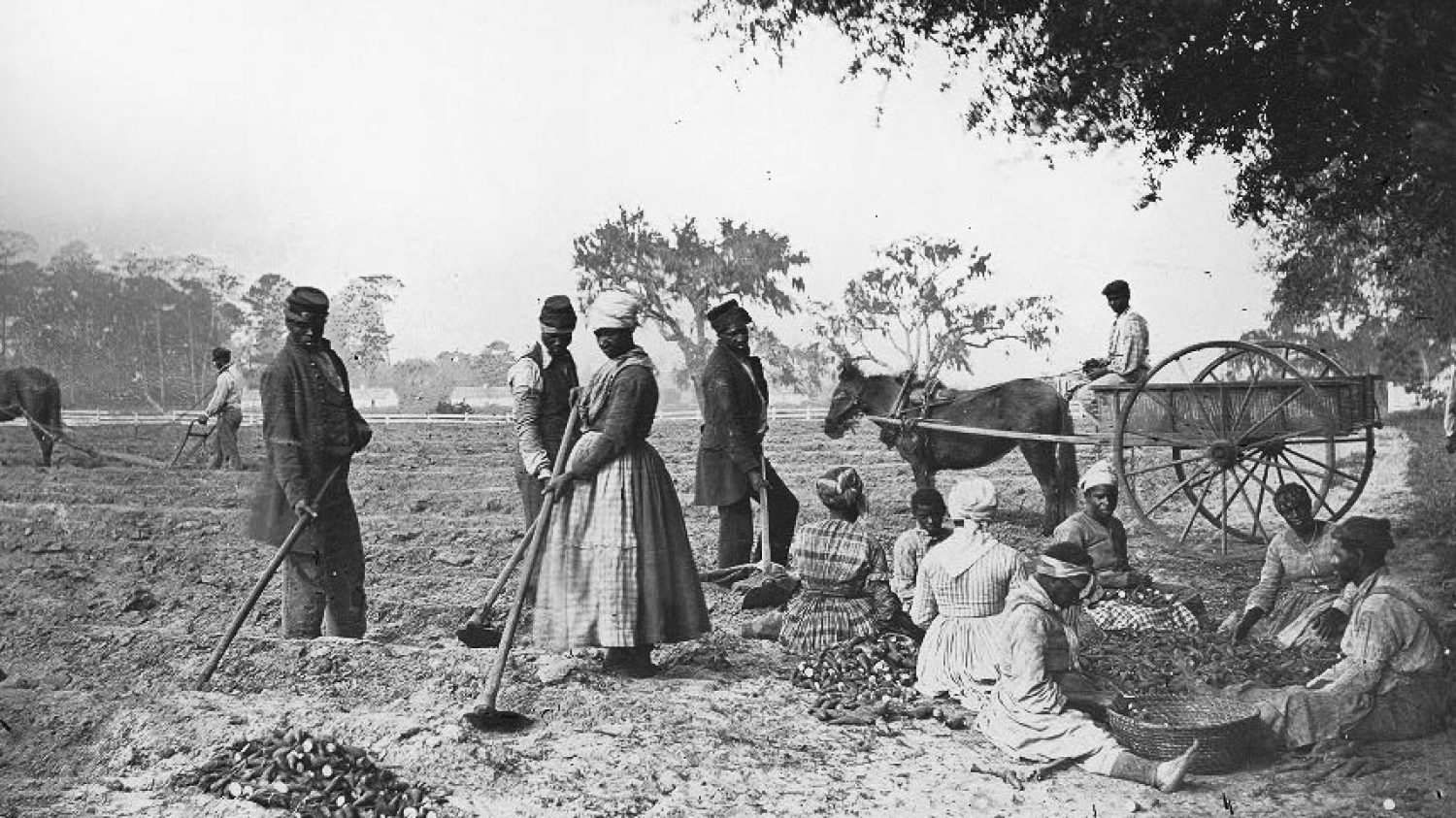
James Hopkinsons Plantation slaves planting sweet potatoes (c. 1862) By Henry P. Moore - Library of Congress (Image page), Public Domain, https://commons.wikimedia.org/w/index.php?curid=4853695

Roy Campbell & The Zulu Girl

The Zulu Girl by Roy Campbell

When in the sun the hot red acres smoulder
Down where the sweating gang its labour plies
A girl flings down her hoe, and from her shoulder
Unslings her child tormented by flies.

She takes him to a ring of shadow pooled
By the thorn-tree: purpled with the blood of ticks,
While her sharp nails, in slow caresses ruled
Prowl through his hair with sharp electric clicks.

His sleepy mouth, plugged by the heavy nipple,
Tugs like a puppy, grunting as he feeds;
Through his frail nerves her own deep languor’s ripple
Like a broad river sighing through the reeds.

Yet in that drowsy stream his flesh imbibes
And old unquenched, unsmotherable heat-
The curbed ferocity of beaten tribes,
The sullen dignity of their defeat.

Her body looms above him like a hill
Within whose shade a village lies at rest,
Or the first cloud so terrible and still
That bears the coming harvest in its breast.


Roy Campbell image

The South African poet, journalist and producer, Roy Campbell, ca. 1946. – Image by © Hulton-Deutsch Collection/CORBIS

Roy Campbell (1901 – 1957) was a South African poet. His actual name was Ignatius Royston Dunnachie Campbell which is a rather wonderful name for a poet, but he chose to publish under the name of ‘Roy’. He published mainly between the two World Wars and was a controversial poet, attacking Marxism and Freudianism, supporting Franco in the Spanish Civil War and writing satirical verse.

This poem about a Zulu mother feeding her baby is both powerful and tragic. We see the girl working on a scorched red farm, part of a working “gang”. She has little individuality, no name is given for her. Then she flings down her hoe and turns from mass rural production to the responsibilities of reproduction – she breastfeeds her child. Probably she is not a wife, but she certainly loves her child, caressing his hair, shading him with her body. Her deep feelings “ripple” through her, passing into the baby. She seems weary, her life appears to be a hopeless and a hard one, and yet a kind of pride in her tribe’s history, an “old unquenched, unsmotherable heat” pulses through her as she takes satisfaction in nourishing her child. In the last stanza we are looking up at her, like the baby, and she seems statuesque and elemental, like a hill and “like a great storm cloud”, while the phrase “a coming harvest” gives some hope for her future.

Campbell arouses our sympathy for this strong, silent woman, he makes us think of the plight of her people, a once proud warrior tribe that once ruled a kingdom but is now working for low pay for other rulers, and he depicts rural hardship. It’s a simple, direct and moving poem about colonialism, about motherhood and about poverty.

Enjoy a reading of the poem by Tom O’Bedlam.

Leave a comment.


Featured image credit- James Hopkinsons Plantation slaves planting sweet potatoes (c. 1862) By Henry P. Moore – Library of Congress (Image page), Public Domain, https://commons.wikimedia.org/w/index.php?curid=4853695
Body image credit- ca. 1946, UK — The South African poet, journalist and producer, Roy Campbell (1901-1957), ca. 1946. – Image by © Hulton-Deutsch Collection/CORBIS