Notes From A Book Addict

Susannah Fullerton's monthly newsletter.
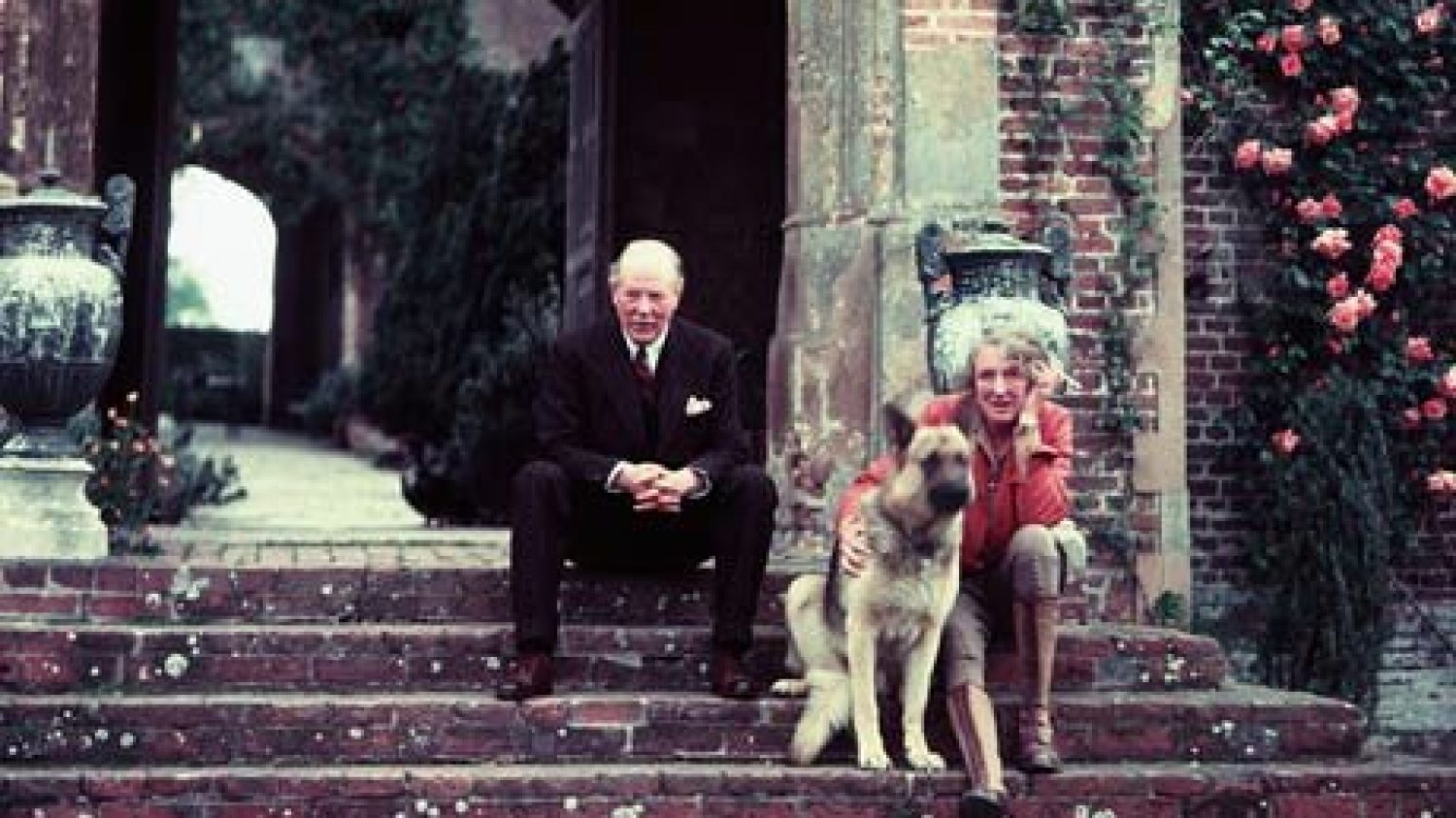
Harold-Nicolson-and-Vita-Sackville-West image
Sir Harold Nicolson with his wife, the poet and novelist Vita Sackville-West, in 1960 at their home, Sissinghurst, Kent. Photograph: Corbis

The Nicolson Family

Last month I wrote about the writing family of the Brontës. This month I’d like to share with you my pleasure in the works of another writing family – the Nicolsons.

Vita Sackville-West married Harold Nicolson in 1913. Both were authors, and they began a writing dynasty. I love Vita’s novel All Passion Spent (1931), a tender story of an elderly woman who decides the time has come for her to live for herself, rather than for others. There is also a nice film version with Wendy Hiller you may like to watch. Harold wrote biographies of Byron, Tennyson and Paul Verlaine. He and Vita were prolific letter writers.

Adam Nicolson with his father Nigel and grandfather Harold image

Adam Nicolson with his father Nigel and grandfather Harold

Their son Nigel Nicolson, who I once had the privilege of meeting, wrote a famous biography of his bisexual parents, Portrait of a Marriage, an excellent book about Jane Austen, and a fascinating memoir, Long Life. In my view the best writer in the family is Nigel’s son Adam Nicolson. His Power and Glory: The Making of the King James Bible (the US edition is called God’s Secretaries) is one of my favourite history books ever!! Other excellent books by Nigel include Mrs Kipling, Sea Room, and Sissinghurst: An Unfinished History. There’s not one of his books I have not really enjoyed.

Nigel’s daughter, Juliet Nicolson, is also an excellent writer. I loved her The Perfect Summer about the summer before WWI, and her latest book, which I have yet to read, is A House Full of Daughters about the women in her own unusual family starting with her great-great grandmother Pepita, a Spanish dancer, through to Juliet’s own story of feeling abandoned by her mother. This new book is being much praised by reviewers, so I can’t wait to read it.

I hope this remarkable family continues to produce authors. Their works have given me much reading pleasure. Have you read any works from the Nicolson family?

Who do you think is the best writer in the family? Tell me in a comment

I provide these links for convenience only and do not endorse or assume liability for the content or quality of these third-party sites. I only recommend books I have read and know. Some of these links are my affiliate links. If you buy a product using one of these links I may receive a small commission. It doesn’t cost you anything extra, but does help cover the cost of producing my free newsletter.

Leave a comment.

Featured image- Sir Harold Nicolson with his wife, the poet and novelist Vita Sackville-West, in 1960 at their home, Sissinghurst, Kent. Photograph: Corbis. From:  http://www.theguardian.com/culture/charlottehigginsblog/2009/may/06/public-faces-harold-nicolson
Body image- Open Letters Monthly an Arts & Literature Review. http://www.openlettersmonthly.com/february-2009-quarrel-with-the-king/
Peter Rabbit collectable coin from the Royal Mint image
Peter Rabbit is the first children's literary character to appear on a UK coin.

Once upon a time there were four little rabbits

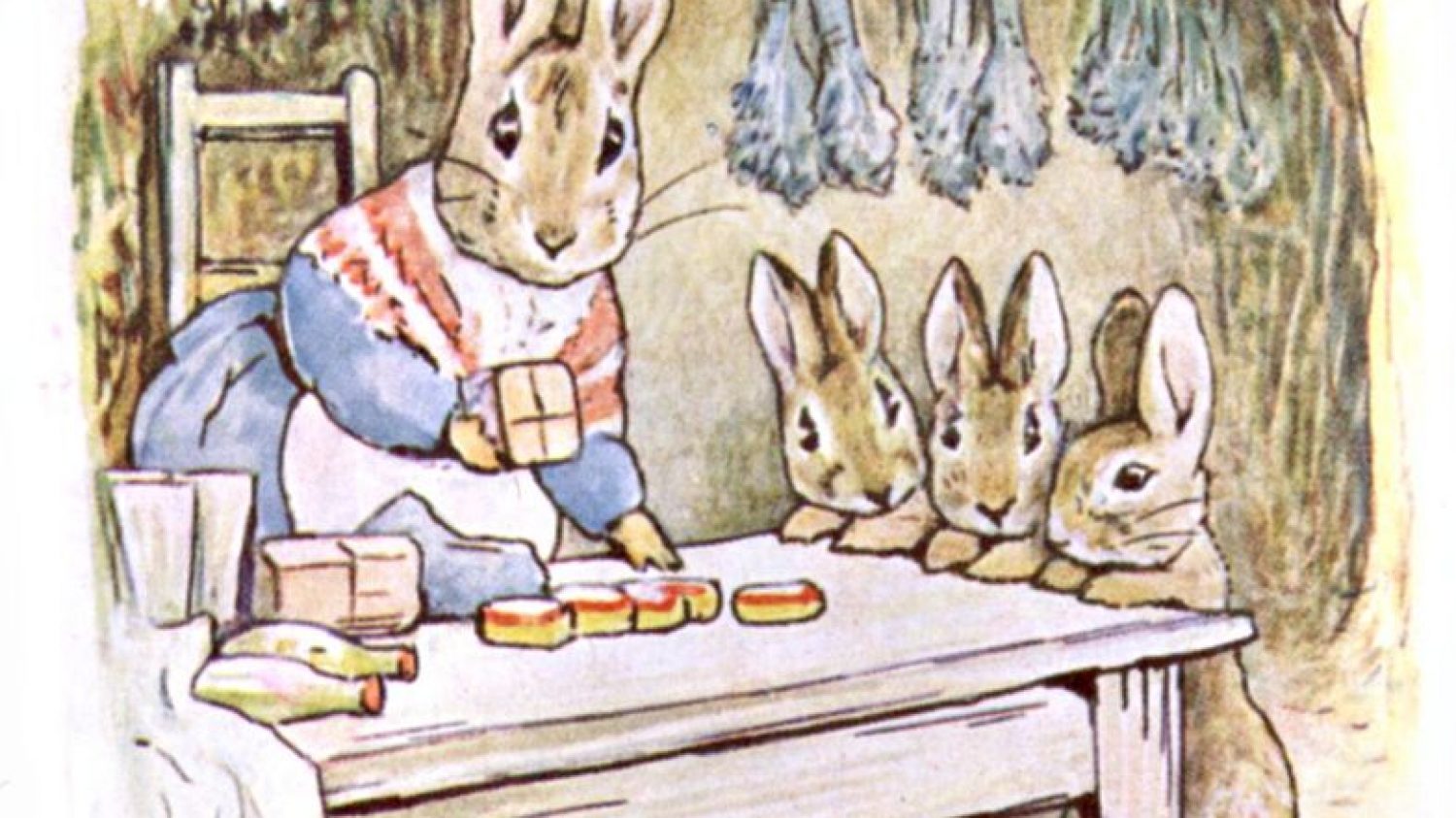
“Once upon a time there were four little rabbits, and their names were Flopsy, Mopsy, Cotton-Tail and Peter” … and now one of those rabbits is on a new British Royal Mint 50p piece.

To mark 150 years since Beatrix Potter’s birth, her much loved bunny has become the very first character from children’s literature to appear on an official UK coin when it was released at the end of February this year. It’s a special coloured coin, so Peter’s blue jacket is actually blue. The original The Tale of Peter Rabbit was first published in 1902.

Three more characters, Jemima Puddle-Duck, Mrs Tiggy-Winkle and Squirrel Nutkin, will feature on further special edition coins released later in the year to complete a four-piece set.

Looking at the Royal Mint website stock of all these special coins is all but exhausted. Has anyone been lucky enough to order one?

Leave a comment.

I provide these links for convenience only and do not endorse or assume liability for the content or quality of these third-party sites. I only recommend books I have read and know. Some of these links may be affiliate links. If you buy a product by clicking on one of these links I may receive a small commission. It doesn’t cost you anything extra, but does help cover the cost of producing my free newsletter.
Featured image credit- Royal Mint Commemorative Collectable Coins.  Beatrix Potter . http://www.royalmint.com/our-coins/events/150th-anniversary-of-beatrix-potter-2016
Celebration Cupcakes on Cake Stand by Ed Gregory image

Happy Birthday, Charlotte!

One afternoon, when I was about 11 years old, I came home with a school library book and showed it to my mother. It was a very slim volume that I expected to get through that evening, and it had attracted me because of the promise of a mad woman in an attic. My mother looked at it in horror. “You are not reading that!” she insisted. “Take it back to the library tomorrow. I’ll read you the proper book.” And she took from her bookshelf a copy of Jane Eyre, about 20 times the size of the abridged edition I had brought home, and that evening she began to read it to me. For night after night I lay on her bed as she knitted and read, and I was totally entranced. So many readers have shared my raptures at first encountering Charlotte’s wonderful novel. The first ‘reader’ at the firm which published the book cancelled all his engagements and stayed up all night until he’d finished the story. It is a great and gripping book.

Charlotte Brontë by George Richmond image

Sketch of Charlotte Brontë by George Richmond

On 21 April 2016, it was the 200th anniversary of Charlotte Brontë’s birth. There are plenty of good ways to celebrate this important writer’s anniversary. You could read Claire Harman’s excellent new biography Charlotte Brontë: A Life, you could listen to an audio version of Jane Eyre which will help you find things in it that you have never noticed before, or you could try some of Charlotte’s other novels. Many critics think that her greatest work is Villette. I find it an intriguing novel, with one of the strangest heroines in fiction, and an even stranger hero, but it is a masterly study of loneliness. The use of French is inconsistent and odd, but Lucy Snowe’s plight does grip you and it is a book you must read if you want to really understand Charlotte herself. Shirley, which was written while her sisters were dying, is an uneven novel, but it has a lovely beginning: “Of late years an abundant shower of curates has fallen upon the north of England: they lie very thick on the hills, every parish has one or more of them; they are young enough to be active, and ought to be doing a great deal of good.” I love the idea of “a shower of curates”. I’m not keen on The Professor which was published posthumously, but you might like to give it a try. You could also consider joining the Australian Brontë Association.

Soon after his only last child Charlotte died in 1855, the Reverend Patrick Brontë requested her friend and fellow novelist, Elizabeth Gaskell, to write his daughter’s biography. The result was The Life of Charlotte Brontë, published in 1867, which has long been regarded as a classic. However at the time it caused a furor.

I am grateful to my mother for saving me from a bastardised version of Jane Eyre (I do wonder how much was left of Jane’s story in that very thin volume?) and for making sure that my first experience of such a great classic was so fabulously memorable.

What are your memories of your first encounter with Charlotte Brontë? Leave a comment and join in the conversation.

Happy birthday, Charlotte!

Leave a comment.

Susannah Fullerton: The Brontë Sisters and their Works, lots of links
Susannah Fullerton: Charlotte Brontë is born
Susannah Fullerton: Charlotte Brontë declines a marriage proposal
Susannah Fullerton: Charlotte Brontë dies
Susannah Fullerton: Have you ever heard of the Charleston plates?
Susannah Fullerton: Jean Rhys & Wide Sargasso Sea

I only recommend books I have read and know. Some of these links are my affiliate links. If you buy a book by clicking on one of these links I receive a small commission. It doesn’t cost you anything extra, but does help cover the cost of producing my free newsletter.
Featured image credit- Celebration Cupcakes on Cake Stand by Ed Gregory http://stokpic.com/project/free-food-photos-celebration-cupcakes-on-cake-stand/
Body image credit- By George Richmond – http://www.npg.org.uk/collections/search/portrait/mw00798/Charlotte-Bront, Public Domain, https://commons.wikimedia.org/w/index.php?curid=1910795
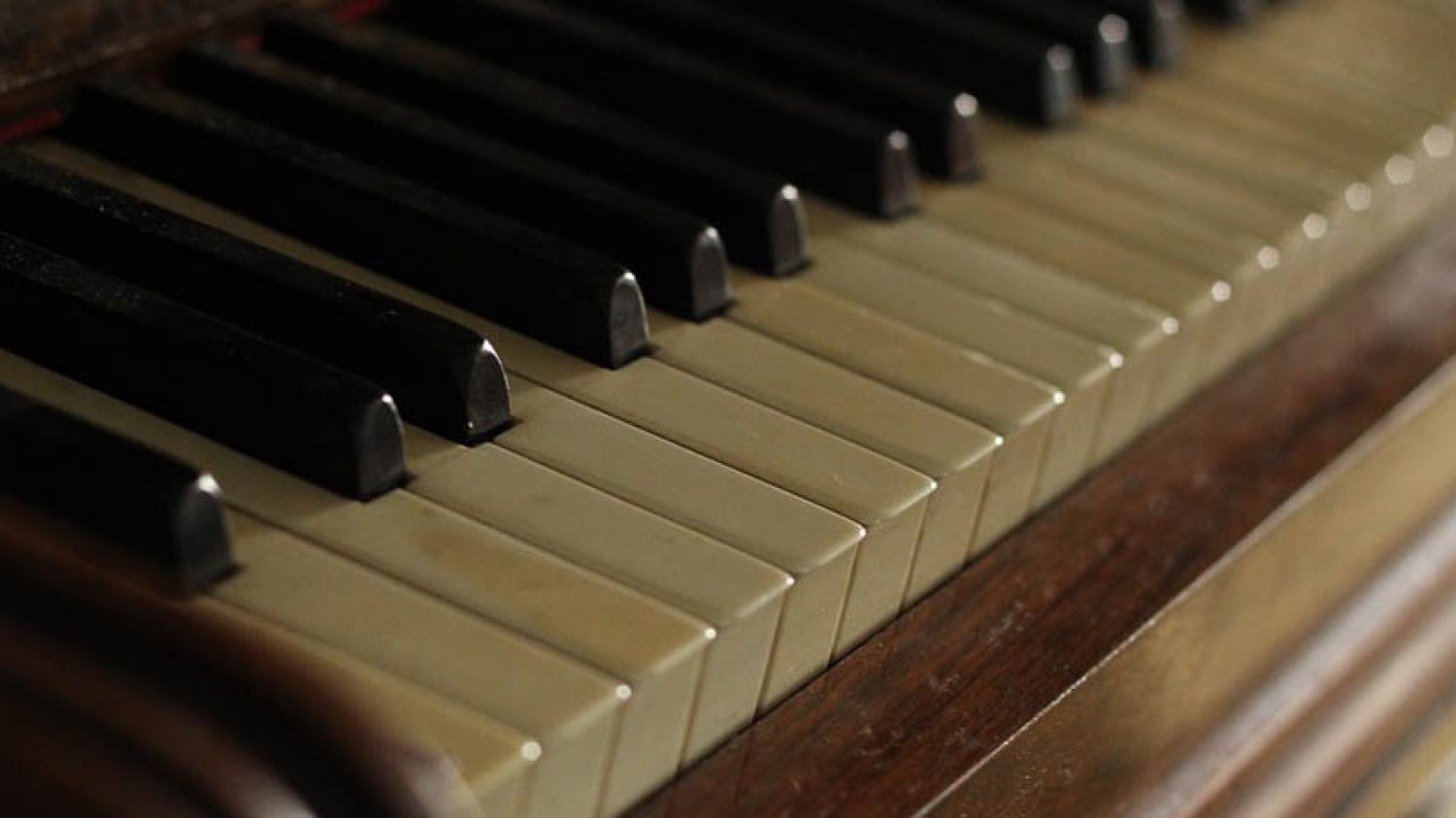
Vintage piano image
Vintage piano

D.H. Lawrence & Piano

We all know how strongly music can bring back memories – a particular song, or hearing someone hum a tune, and we can be transported back into somewhere in our pasts. D.H. Lawrence certainly knew that feeling and his wonderful poem Piano, written in 1918, is all about that.

Piano by D.H. Lawrence

Softly, in the dusk, a woman is singing to me;
Taking me back down the vista of years, till I see
A child sitting under the piano, in the boom of the tingling strings
And pressing the small, poised feet of a mother who smiles as she sings.

In spite of myself, the insidious mastery of song
Betrays me back, till the heart of me weeps to belong
To the old Sunday evenings at home, with winter outside
And hymns in the cosy parlour, the tinkling piano our guide.

So now it is vain for the singer to burst into clamour
With the great black piano appassionato. The glamour
Of childish days is upon me, my manhood is cast
Down in the flood of remembrance, I weep like a child for the past.


D.H. Lawrence by Lady Ottoline Morrell

D.H. Lawrence 1915, by Lady Ottoline Morrell, vintage snapshot print.

Lawrence’s mother, Lydia Lawrence tried so hard to be genteel and to rise above the status of being wife to a coal miner. Her piano was much treasured, and it was kept in the parlour and used on Sundays. Lawrence evokes a sense of comfort, childhood innocence and intimacy. His parents often fought, and perhaps the Sunday evenings of music were a respite from the strife that ripped through the house. He realises he is being sentimental and refuses to give in easily to his emotions – “in spite of myself”, but the mastery of song is “insidious” and pulls him back into his past. At the end of the poem, he weeps, realising in full the gap between his idealized childhood world and where he is in the present. He wants to throw his manhood away, and retreat to that warm, secure room of his childhood.

It is an intensely skilled piece of writing. Lawrence makes you feel what the child feels and sees – the keys “boom” because he is sitting under the piano, his mother’s feet are poised and elegant to him and there is a sense of awe in his attitude to her. And then, we see him as an adult, with warring emotions and we sense that he no longer has the comfort of home, but instead just some anonymous woman whose singing begins to jar on him because she is not his mother. It is a poem that pulls the heartstrings in the way any good music does. If you are in England, do visit the D.H. Lawrence Birthplace museum in Eastwood, Nottinghamshire. It is so moving to see the piano in the parlour there and to think of this poem.

There is an early version of this poem which is interesting to read here.

Have you been to the D.H. Lawrence Birthplace Museum in Eastwood, Nottinghamshire? Let me know your thoughts in a comment.

Leave a comment.

Comments are moderated, and will not appear until approved.
Featured image credit- Vintage piano. https://pixabay.com/en/piano-antique-music-instrument-354624/
Body image credit- D.H. Lawrence by Lady Ottoline Morrell, vintage snapshot print, 29 November 1915. https://commons.wikimedia.org/w/index.php?curid=36752379
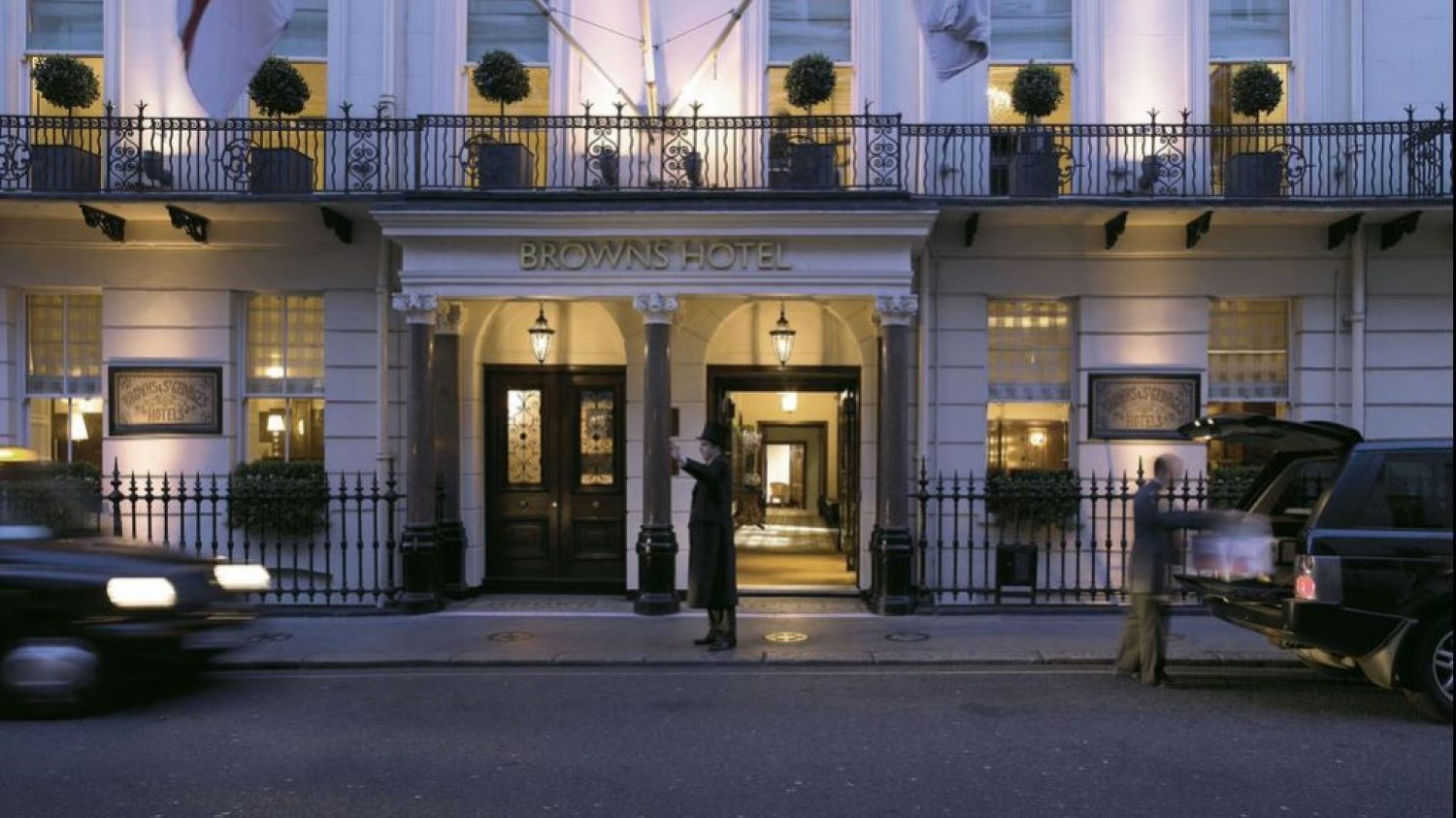
Browns Hotel. London. image
Browns Hotel. London.

The Kipling Suite

Rudyard Kipling in 1915 image

Rudyard Kipling in 1915

In January, 1936, Rudyard Kipling was staying in Brown’s Hotel in Albemarle St, Mayfair, London. He was suddenly taken seriously ill with a perforated duodenal ulcer, was rushed to Middlesex Hospital and died on 18 January. Kipling loved Brown’s Hotel (which, incidentally, is the hotel Agatha Christie used for her novel At Bertram’s Hotel) – he wrote part of The Jungle Book there.

Recently Brown’s Hotel has spent 3 months restoring the Kipling Suite. One of his letters sent from the hotel has been framed and put on the wall, there is a “bespoke range of 100% organic luxury suite amenities” available, your evening wear will receive complimentary ironing on arrival, and you will have some nice chilled champagne of fine vintage awaiting you.

I would adore to go and stay in the Kipling Suite at Brown’s, but as one night costs £6,210 per night, this might be a little way off. Dad, are you feeling generous???? Any exceptionally generous readers of ‘Notes from a Book Addict’ can send donations to the ‘Susannah Fullerton Kipling Suite Charity Fund’.

Leave a comment.

Selected links for relevant websites, books, movies, videos, and more. Some of these links lead to protected content on this website, learn more about that here.

Susannah Fullerton: Rudyard Kipling: Novelist and Poet of Empire
 Susannah Fullerton: 30 December 1865 – Rudyard Kipling is born
  Susannah Fullerton: Book of the Month – The Elephant’s Child
 Susannah Fullerton: Lest We Forget
Susannah Fullerton: Crowd-funding Kipling
 Susannah Fullerton: A Smuggler’s Song
 Susannah Fullerton: The Glory of the Garden

Susannah Fullerton – Around the World in 30 Classics

The Jungle Book by Rudyard Kipling

I provide these links for convenience only and do not endorse or assume liability for the content or quality of these third-party sites. I only recommend books I have read and know. Some of these links may be affiliate links. If you buy a product by clicking on one of these links I may receive a small commission. It doesn’t cost you anything extra, but does help cover the cost of producing my free newsletter.
Featured image credit- Browns Hotel, London. http://www.grandluxuryhotels.com/hotel/browns-hotel
Body image credit- Rudyard Kipling in 1915. By Unknown – Rudyard Kipling von John Palmer, Public Domain, https://commons.wikimedia.org/w/index.php?curid=44696911
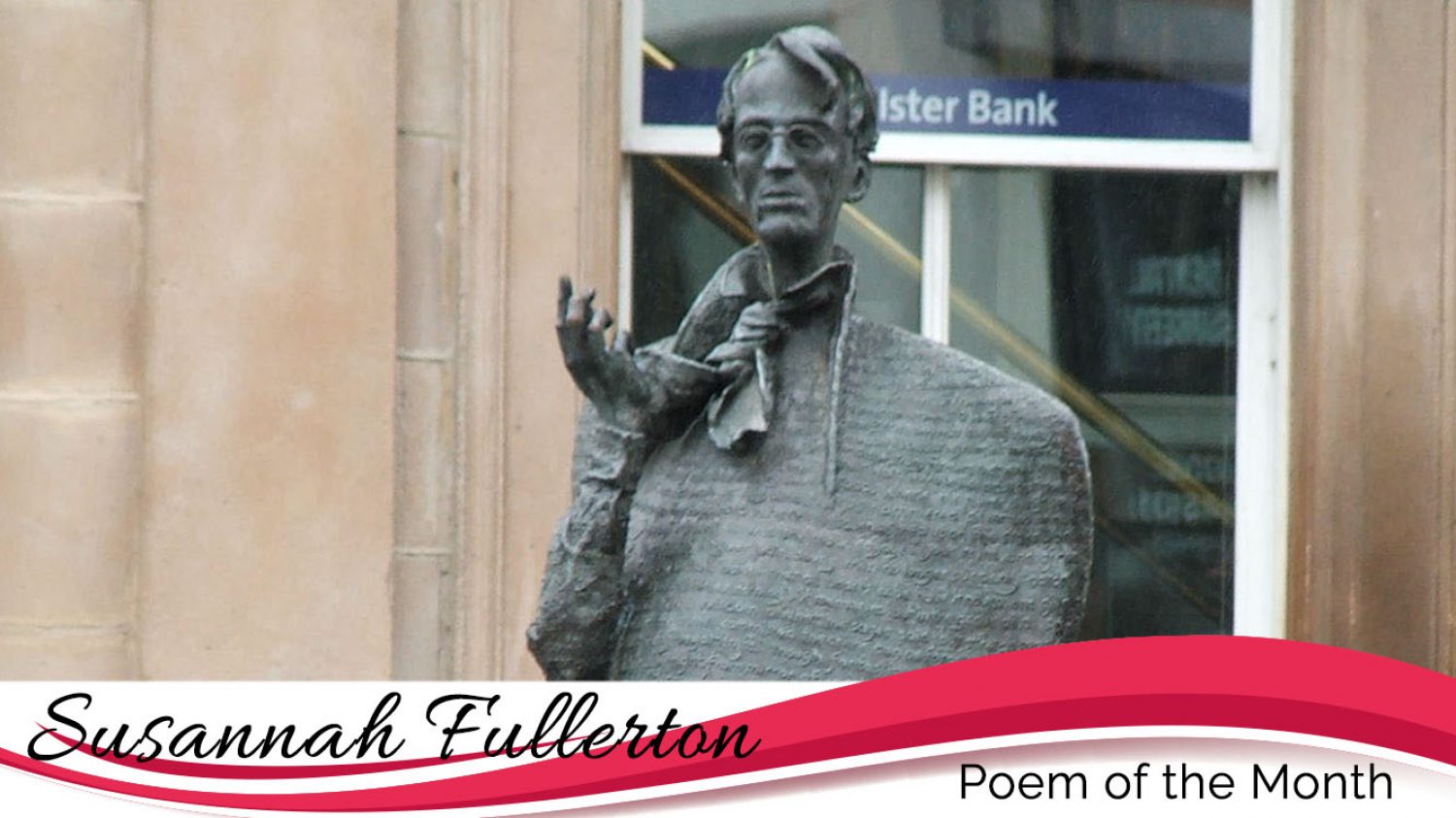
Statue of WB Yeats in Sligo Town. Sligo, County Sligo, Ireland.

W.B. Yeats & Politics

In 1939 Irish poet W.B. Yeats published Last Poems and deliberately chose his poem Politics to be the final poem in the volume. It was the last lyric poem he ever wrote and has been placed last in all posthumous editions of his works.

W.B. Yeats, 1933, by Pirie MacDonald image

W.B. Yeats, 1933, by Pirie MacDonald

Politics

HOW can I, that girl standing there,
My attention fix
On Roman or on Russian
Or on Spanish politics?
Yet here’s a travelled man that knows
What he talks about,
And there’s a politician
That has read and thought,
And maybe what they say is true
Of war and war’s alarms,
But O that I were young again
And held her in my arms!

In 1938, when Yeats wrote the poem, the Spanish Civil War was raging. Hitler’s Third Reich was threatening and the political situation in Russia and in Italy was dark. Yeats himself was deeply involved in Irish politics throughout his life. The title of the poem hints at all this political strife, and yet the poem is ultimately a personal one.

It is a poem about opposites – youth and age, war and peace, female and male, intellect and emotion. It is a poem about sexual longing which has not decreased with age. The pull of love and lust is stronger than that of possible war and “war’s alarms”, the demands of one’s private life will always be more urgent than demands from the political world, Yeats tells us. It is a poem of regret, from an educated and thinking man, now just a little jaded, for the passing of his youth and the times when he could take a beautiful girl into his arms and make love to her.

The structure of the poem is simple and effective. There are 12 lines, with no regular rhyme or metre. It was partly inspired by a quote from German novelist Thomas Mann, whose citizenship of Germany had been revoked by the Nazis in 1936. Mann fled to America and said: “In our time the destiny of man presents its meanings in political terms.” The poem’s ‘turn’ in the last two lines refutes Mann’s epigraph and yet, ironically, also reinforces it. For while the poet might hold her in his arms, he is probably ineffectual as a lover and so all that is left to him is political interest. There will be no raising of hope in the dark political world, or raising of anything when it comes to sex, for the would-be but aged lover. It is a poem showing little optimism for the future, one more concerned with nostalgia. It’s a touching poem, perhaps slightly tongue-in-cheek, and ultimately dealing with a human dilemma which all those who grow old must face.

Leave a comment.

Featured image credit- By en:The.Q, CC BY-SA 2.5, https://commons.wikimedia.org/w/index.php?curid=23299195
Body image credit- W.B. Yeats, 1933, by Pirie MacDonald
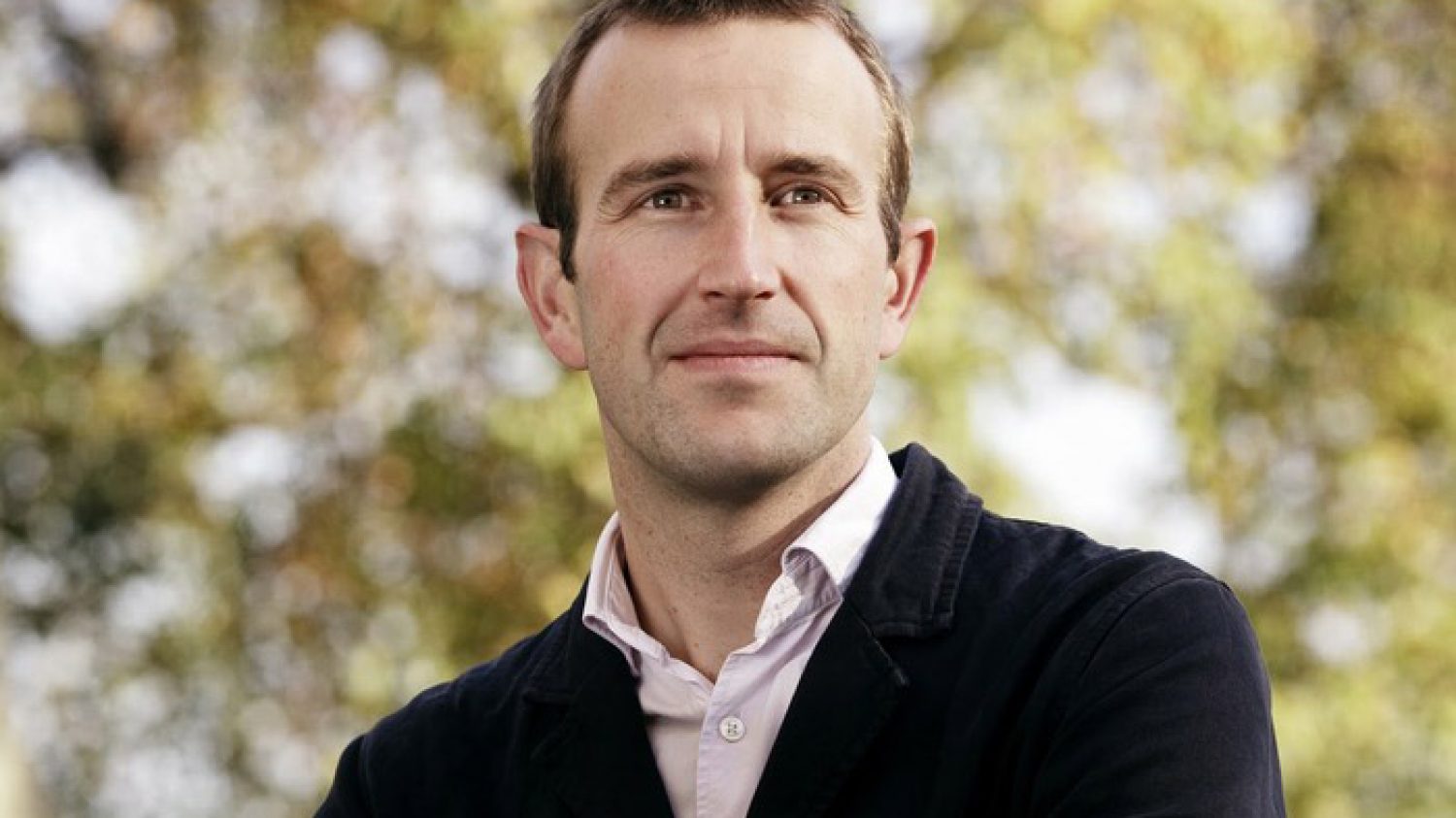
Robert Macfarlane image
Robert Macfarlane

Walking The Old Ways

I once knew a man who owned a bookshop in Auckland. He always walked to work, and as he walked, he read books (this was before the age of the iPod, so he couldn’t enjoy audiobooks en route). He told me he had only ever twice walked into lamp posts!

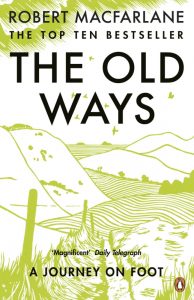
Robert Macfarlane, The Old Ways

Robert Macfarlane, The Old Ways

If I am walking a route I know well, or a route which is not scenic, I love to ‘read’ as I walk. However, a wonderful book I have read has made me think about the thinking we do as we walk, and how inspirational a walk can be. Robert Macfarlane’s The Old Ways is just fabulous. He sets off walking in England, Scotland and Europe, pondering the history of the paths he takes, linking them to poets (especially to Welsh poet Edward Thomas, best known today for Adlestrop), and reflecting on how inner landscapes are so powerfully built by outer landscapes. He provides many intriguing facts – it is estimated that Wordsworth walked 180,000 miles in his lifetime, for example – and the prose is superb. The book was chosen as best book of the year (it was published in 2012) by Jan Morris, Andrew Motion, Penelope Lively, John Banville and many other distinguished critics. I can see why. Macfarlane has written 2 other books in his walking series (The Wild Places and Landmarks) – I’m now looking forward to reading them.

His book made me yearn to put on hiking boots and set off to do some of the literary paths I’ve long wanted to do – the Coleridge Way in the Quantocks, the Sir Walter Scott Way through the Scottish borders, the Tennyson Trail on the Isle of Wight, an Edward Thomas Walk in Hampshire, the Robert Louis Stevenson trail in the Cevennes, and my list goes on. Macfarlane’s book is inspiring in so many ways.

Tell me about the thinking you do and places you like to walk by leaving a comment.

The Old Ways, A Journey on Foot by Robert MacFarlane
The Wild Places by Robert MacFarlane
Landmarks by Robert MacFarlane

I only recommend books I have read and know. Some of these links are my affiliate links. If you buy a book by clicking on one of these links I receive a small commission. It doesn’t cost you anything extra, but does help cover the cost of producing my free newsletter.


Leave a comment.

Comments are moderated, and will not appear until approved.
Featured image credit- Robert Macfarlane from https://www.goodreads.com/photo/author/435856.Robert_Macfarlane
Body image credit- “The Old Ways: A Journey on Foot” from: https://www.penguin.com.au/products/9780141030586/old-ways-journey-foot
Cover of the first edition of the second part of Don Quixote : Miguel de Cervantes,
Cover of the first edition of the second part of Don Quixote by Miguel de Cervantes, https://es.wikipedia.org/wiki/Archivo:Segunda_parte_del_ingenioso_caballero_don_Quijote_de_la_Mancha.jpg

The 96th Most Important Event of the Millennium

When Life magazine did a poll to decide on the 100 most important events of the Millennium, they put in 96th position the publication of Don Quixote by Cervantes. It is often considered the first proper novel, which is a hugely important event. I do not even want to imagine a world before fiction was available.

I have just been reading a fascinating book, Quixote: The Novel and the World by Ilan Stevens, an American academic. Cervantes died 400 years ago this year (he died on 23 April, 1616 (the same day as Shakespeare died, but Spain was using the Gregorian calendar and England the Julian calendar, which means Cervantes actually died the day before – what a loss to literature those two days in 1616 were!), so this makes it an appropriate time to read Don Quixote or books about it.

When the Norwegian Academy of Science and Letters asked writers around the globe what the greatest novel was, Don Quixote won by a landslide. An asteroid has been named Don Quixote, a supermarket chain in Japan has been named after him, the novel has created a tourist industry, and its influence has been incalculable – Hemingway, Goethe, Freud, Dostoyevsky, Fielding, Faulkner, Joyce, Kafka, Steinbeck, Melville, Flaubert, Smollett, Nabokov, Turgenev, Borges, Salinger, and the list goes on. The book has inspired artists, musicians and countless authors.

I loved reading this book by Ilan Stevens. He shows the huge impact of the novel, has an interesting chapter on the various translations into English (providing the same paragraph in Spanish and then in 12 different translations, which shows how much a book can be changed by a translator), and he discusses what it is that makes the novel resonate in so many different cultures and eras. Critic Lionel Trilling once said that “all prose fiction is a variation on the theme of Don Quixote.” It is a wonderfully funny novel, and it is deeply wise. It is a novel about the power of fiction, about reason, about friendship, about travel, about chivalry, and about life. If you have never read it, then 2016 is the perfect year in which to do so, as the world celebrates this truly remarkable book. Here is the intriguing first sentence to start you off …

“In a village of La Mancha, the name of which I have no desire to call to mind, there lived not long since one of those gentlemen that keep a lance in the lance-rack, an old buckler, a lean hack, and a greyhound for coursing.”

Here are two sculptures I own of Don Quixote:

Try it on audio version and you will laugh aloud as you listen – it’s about 36 hours of pure listening pleasure. By the way, I was intrigued to discover that the novel contains 690 exclamation marks, so I’ve decided that if they were good enough for Cervantes, then I can use them impunity!!!

Have you read, or listened to Don Quixote? Do you like to use lots of punctuation marks???? Share your thoughts by leaving a comment.

Leave a comment.

Comments are moderated, and will not appear until approved.
Featured image credit- Cover of the first edition of the second part of Don Quixote by Miguel de Cervantes, https://es.wikipedia.org/wiki/Archivo:Segunda_parte_del_ingenioso_caballero_don_Quijote_de_la_Mancha.jpg
Body image credit- Sculptures owned by author. Don Quixote, by Yves Lohé. Photo by Susannah Fullerton
Ozymandias Shelley draft c1817 - image

Percy Bysshe Shelley & Ozymandias

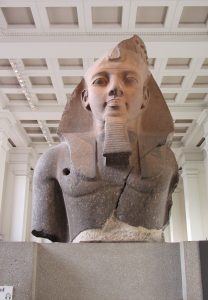
In 1817 the British Museum announced that soon it would have on display a massive head of the Egyptian Pharaoh Ramesses II. The carved head of the Pharaoh had been removed from his tomb at Thebes by an Italian adventurer. The statue did not actually arrive in Britain until 1821, but the mere news of its coming was enough to inspire Percy Bysshe Shelley. He suggested to his friend Horace Smith that each of them write a poem about this piece of antiquity.

Smith’s sonnet Ozymandias (which is the Greek name for Ramesses) was published soon after Shelley’s poem. Shelley’s effort is now known as one of the great poems of all time, while Smith’s is almost never heard of. Smith did a perfectly competent job with his poem. Shelley, however, took his poem into the realm of sheer magic.

I’m giving you both of them, so you can compare:

Shelley’s Ozymandias

I met a traveller from an antique land
Who said: “Two vast and trunkless legs of stone
Stand in the desert. Near them, on the sand,
Half sunk, a shattered visage lies, whose frown,
And wrinkled lip, and sneer of cold command,
Tell that its sculptor well those passions read
Which yet survive, stamped on these lifeless things,
The hand that mocked them and the heart that fed:
And on the pedestal these words appear:
‘My name is Ozymandias, king of kings:
Look on my works, ye Mighty, and despair!’
Nothing beside remains. Round the decay
Of that colossal wreck, boundless and bare
The lone and level sands stretch far away.”

Smith’s Ozymandias

In Egypt’s sandy silence, all alone,
Stands a gigantic Leg, which far off throws
The only shadow that the Desert knows:—
“I am great OZYMANDIAS,” saith the stone,
“The King of Kings; this mighty City shows
“The wonders of my hand.”— The City’s gone,—
Nought but the Leg remaining to disclose
The site of this forgotten Babylon.

We wonder,—and some Hunter may express
Wonder like ours, when thro’ the wilderness
Where London stood, holding the Wolf in chace,
He meets some fragment huge, and stops to guess
What powerful but unrecorded race
Once dwelt in that annihilated place.


Ozymandias, the statue whose imminent arrival inspired both poems.

Ozymandias, the statue whose imminent arrival inspired both poems.

This is the statue whose imminent arrival inspired both poems Shelley’s wonderful sonnet is about power and its ultimate futility. Shelley loathed the idea of authority. He hated the church, the government (look at his fabulous poem The Mask of Anarchy to see what he thought of the politicians of the day), the army, and religion (he was expelled from Oxford University for atheism). In the poem, the shattered face of the once-tyrant ruler stands in a desert wasteland. The ruler’s boast of ‘Look on my works, ye mighty and despair’ is ironically disproved. His works have crumbled, his civilisation has disappeared – time has turned it all to dust. Now the statue is only a monument to the overweening pride of one individual. Readers are made to feel the insignificance of the individual when it comes to the passage of history. We hear about this statue from someone who has met a traveller who has seen it, so we are immediately put at a remove from the statue and the power Ozymandias once represented. He is made less commanding by this narrative device. And yet, one thing does remain – and that is a work of art, the statue. Shelley makes his readers aware of the power of art – when power, tyranny and politics are gone, the richness of language, poetry and art endure.

I was intrigued on a visit to Egypt to be told by several guides that Shelley had been to Egypt and had seen there a statue of Ramesses II. I tried to contradict this fable, as Shelley never got to Egypt, but I suspect the guides continued to give that story to unsuspecting tourists. Why spoil a good story with the truth? But their embroidering of the truth is a testament to the power of a good poem – Shelley’s poem is universal in its themes, imagery and language.

Share your thoughts by leaving a comment.

Selected links for relevant websites, books, movies, videos, and more. Some of these links lead to protected content on this website, learn more about that here.

I provide these links for convenience only and do not endorse or assume liability for the content or quality of these third-party sites. I only recommend books I have read and know. Some of these links may be affiliate links. If you buy a product by clicking here I may receive a small commission. It doesn’t cost you anything extra, but does help cover the cost of producing my free newsletter.

Leave a comment.

Featured image credit- “Ozymandias Shelley draft c1817” from “Ozymandias Shelley draft c1817”. Licensed under Public Domain via Commons – https://commons.wikimedia.org/wiki/File:Ozymandias_Shelley_draft_c1817.gif#/media/File:Ozymandias_Shelley_draft_c1817.gif
Body image credit- “Statue of Ramesses II at the British Museum” by BabelStone – Own work. Licensed under CC BY-SA 3.0 via Commons – https://commons.wikimedia.org/wiki/File:Statue_of_Ramesses_II_at_the_British_Museum.jpg#/media/File:Statue_of_Ramesses_II_at_the_British_Museum.jpg
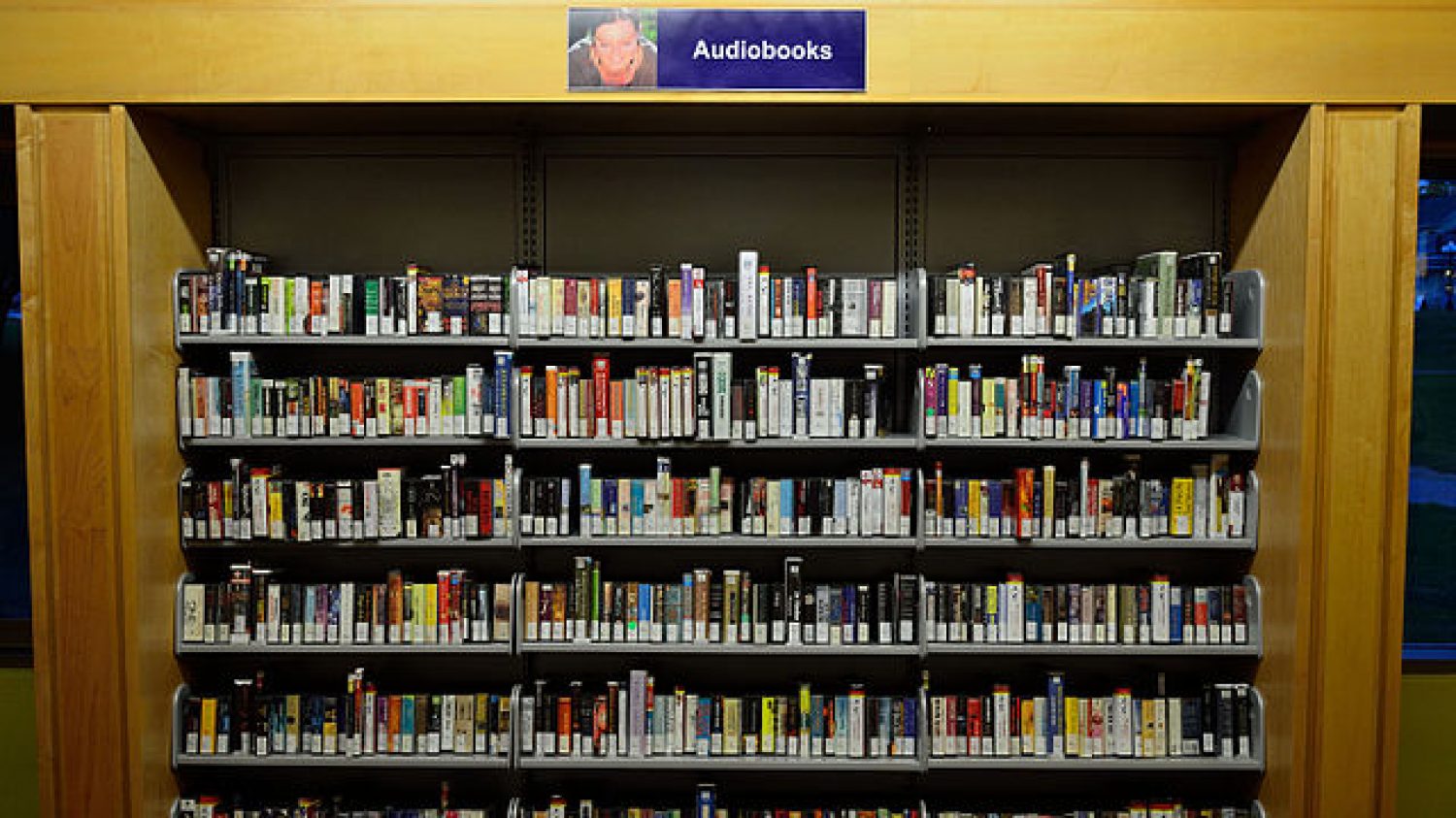
Susannah Fullerton - Audiobook Library. by Raysonho
Audiobook Library

The thing about audio books

People often ask me how I manage to read so many books. One reason is that I listen to audio books, which means as I drive the car, cook in the kitchen or tackle the ironing pile, I am reading while I do so. Audio books are one of the great delights of my life. If you have not yet become addicted, do give them a try. There’s a good range of books on CD at libraries, or you can sign up for audible.com and get one credit a month to buy an audio book and download it onto your Ipod, phone or Ipad. Audible has a huge range, and you can listen to a short ‘voice sample’ before buying to make sure you like the reader. See www.audible.com.au.

Some readers are superbly suited to a particular author – try listening to Timothy West reading you Trollope’s novels, and you simply experience heaven. Or Martin Jarvis reading Dickens or Just William, Prunella Scales reading Elizabeth Gaskell, Juliet Stevenson reading Jane Austen, Nadia May reading the Mapp and Lucia novels, Stephen Fry reading Harry Potter, Jonathan Cecil reading Jeeves and Wooster, Ian Carmichael reading the Lord Peter Wimsey novels by Dorothy L. Sayers, and the list goes on.

Driving the car can be a dull business, especially in the Sydney traffic, but audio books make it infinitely better – I’ve been known to stay sitting in the car to finish listening to a particularly exciting part, and I no longer dread any long journey because I have the sheer joy of audio books to make it a pleasure.

Here are some other audio book sites you may wish to browse: BooktopiaAll You Can Books, and of course, Project Gutenberg has many of the classics in audio format available for free download.

Leave a comment.


Featured image credit- “AudiobookLibrary2” by Raysonho @ Open Grid Scheduler / Grid Engine – Own work. Licensed under CC0 via Commons – https://commons.wikimedia.org/wiki/File:AudiobookLibrary2.jpg#/media/File:AudiobookLibrary2.jpg